Decoding Skin Care Labels: Key Insights for Healthy Skin
Overview
Navigating skin care labels can be overwhelming, but this article aims to simplify the process. Readers will learn how to interpret key terms, identify essential ingredients, and recognize misleading claims, empowering them to make informed choices for their skin care routines. By understanding these aspects, individuals can tailor their skin care products to better suit their unique needs and achieve healthier skin.
Table of Contents
- Why Skin Care Labels Matter
- Key Terms on Skin Care Labels
- Active Ingredients
- Preservatives
- pH Balance
- Fragrance and Colors
- Understanding Labels: Ingredients List Hierarchy
- First Five Ingredients
- Understanding Natural vs. Synthetic
- Spotting Red Flags in Skin Care Labels
- Vague Labeling
- Overly Complicated Ingredients List
- Deciphering Product Claims
- Non-Comedogenic
- Hypoallergenic
- Dermatologist-Tested
- The Importance of SPF in Your Skin Care Routine
- Sunscreen Application Tips
- Tailoring your Skin Care Routine
- Customization is Key
- Setting Yourself Up for Success
- Unlocking Healthy Skin: Your Journey Starts Here
Key Takeaways
- Ingredients Transparency: Familiarize yourself with product ingredients to avoid irritants and allergens.
- Active Ingredients: Look for effective components like hyaluronic acid and retinol to address specific skin concerns.
- Label Hierarchy: The first five ingredients on a label indicate the primary components and effectiveness of the product.
- Red Flags: Be cautious of vague terms like "natural" and overly complicated ingredient lists that may contain fillers.
- SPF Importance: Incorporate broad-spectrum sunscreen into your routine to protect against UVA and UVB rays.
- Skin Type Compatibility: Choose products tailored to your skin type, whether oily, dry, combination, or sensitive.
- Customization: Don’t hesitate to mix products to address multiple skin concerns effectively.
Understanding skin care labels can be a daunting task, especially with an overwhelming variety of products available today. From serums and moisturizers to sunscreens and masks, the world of skin care is rich in options but obscured with buzzwords and jargon. This article aims to demystify skin care labels, helping you make informed decisions for your skin care routine.
Why Skin Care Labels Matter
The skin is the body's largest organ, acting as a protective barrier between you and the external environment. Choosing the right products can influence your skin’s health, texture, and overall appearance. Skin care labels provide critical information that can guide you toward making suitable choices. Here’s why they matter:
- Ingredients Transparency: Knowing what’s in your products allows you to avoid irritants or allergens.
- Skin Type Compatibility: Labels help you select products that work with your specific skin type, whether it's oily, dry, or combination.
- Efficacy Claims: Understanding the terms on labels can give you a better understanding of a product's effectiveness.
Key Terms on Skin Care Labels
To help you navigate the world of skin care, it's essential to be familiar with some common terminology you may encounter:
Active Ingredients
Active ingredients are what make a product effective. They’re designed to tackle specific skin issues, such as acne, dryness, or sun damage. Common active ingredients include:
- Hyaluronic Acid: Known for its unbeatable hydrating properties. Many products, like the Hydrate & Protect Bundle, feature hyaluronic acid to replenish moisture.
- Retinol: A derivative of Vitamin A often used for anti-aging benefits.
- Alpha Hydroxy Acids (AHAs): Used to exfoliate and brighten the skin.
Preservatives
Preservatives help extend the shelf life of skin care products, preventing the growth of harmful bacteria. Common preservatives include parabens and phenoxyethanol. While some people prefer preservative-free products, it is essential to ensure they are still safe to use before testing.
pH Balance
The pH level of your skin can influence its appearance and health. Most skin care products are formulated to be pH balanced to keep skin irritation at bay. Products that are too alkaline can strip the skin's natural oils, leading to dryness.
Fragrance and Colors
Fragrances and artificial colors are often added to enhance the aesthetic appeal of skin care products. However, they can sometimes cause allergic reactions, especially for individuals with sensitive skin. Always consider opting for fragrance-free options if you are prone to such issues.
Understanding Labels: Ingredients List Hierarchy
When you look at a skin care label, the ingredients are usually listed in descending order based on their concentration. Ingredients that are included in higher concentrations will be listed first, while those present in smaller amounts will appear toward the end. Here's how to decode this information:
First Five Ingredients
The first five ingredients often suggest the primary components of the formulation and can give you a good idea of how effective the product may be. If hydration is your primary goal, ensure that hydrating agents like hyaluronic acid or glycerin are among the top ingredients.
Understanding Natural vs. Synthetic
Many labels will indicate whether the ingredients are natural or synthetic. While natural ingredients can be beneficial, they aren’t always the best option for everyone. A thorough understanding of both categories is crucial for tailoring your skincare regimen according to your specific needs.
Spotting Red Flags in Skin Care Labels
Not all products are created equal, and some labels can be misleading. Here are some red flags you should watch out for:
Vague Labeling
Words like "natural," "pure," and "clean" are often used without regulations. These terms can sometimes be merely marketing ploys that do not reflect a product's quality. Be cautious and research the specific ingredients before making a purchase.
Overly Complicated Ingredients List
A long list filled with hard-to-pronounce chemical names can be a sign of an ineffective product loaded with fillers. Look for products that have a shorter, more straightforward list of ingredients focused on proven actives.
Deciphering Product Claims
Product claims on labels can often oversell benefits, leaving consumers confused. Here are some common claims you may encounter and what they truly mean:
Non-Comedogenic
This term indicates that a product is formulated to not clog pores, making it a great option for acne-prone skin. However, it’s essential to still read the ingredients to ensure no comedogenic substances are present.
Hypoallergenic
This label suggests that a product is less likely to cause allergic reactions. While it can be reassuring, keep in mind that every individual's skin reacts differently, and it’s always best to do a patch test before fully incorporating a new product.
Dermatologist-Tested
Skin care brands may advertise that their products are "dermatologist-tested." This doesn't mean a product is guaranteed to be effective or suitable for all skin types; it indicates that a dermatologist has assessed its design. Look for independent studies or clinical trials for more credible information.
The Importance of SPF in Your Skin Care Routine
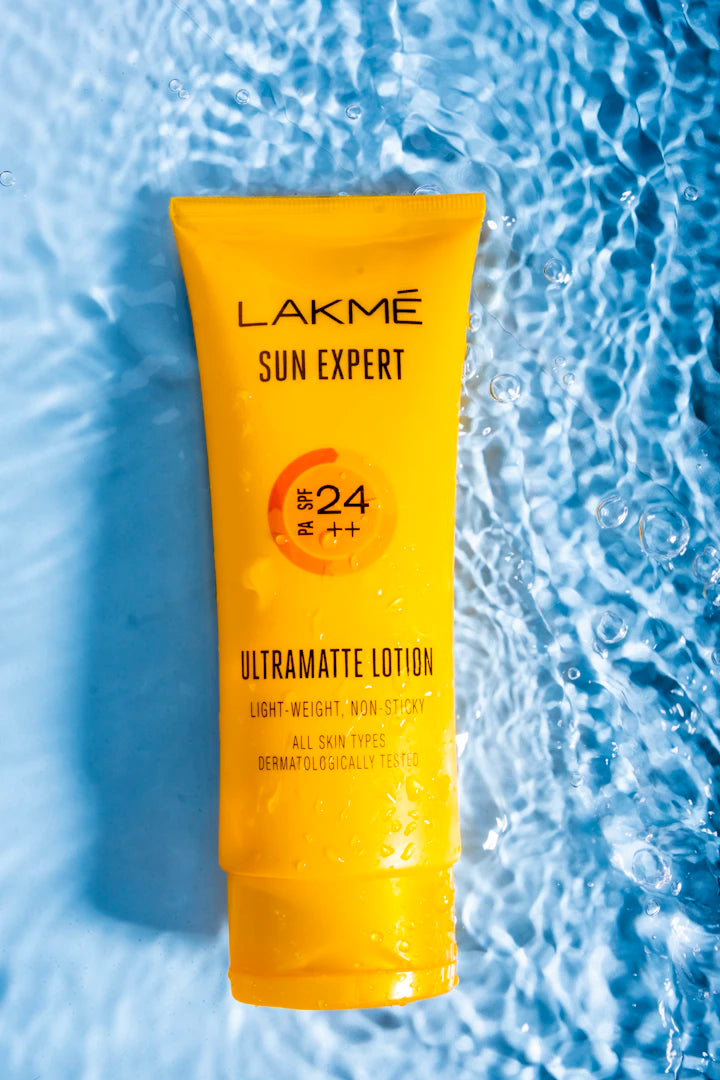
Sun protection is a crucial element of an effective skin care routine. Broad-spectrum protection guards against both UVA and UVB rays, which are known to cause premature aging and skin cancer. To get the best protection, consider products that feature active ingredients like those found in EltaMD UV Clear Broad-Spectrum SPF 46. It’s lightweight and designed for sensitive skin, making it an excellent fit for those with concerns about breakouts or irritation.
Sunscreen Application Tips
- Generous Application: Most people don't apply enough sunscreen. Aim for about a shot glass full for your entire body.
- Reapply Often: Especially after swimming or sweating, every two hours is a good rule to follow.
- Don't Skimp on the Face: Use a product that protects the delicate facial skin without causing breakouts, like the aforementioned products in the Hydrate & Protect Bundle.
Tailoring your Skin Care Routine
Your skin care routine should be tailored to your individual needs. This requires understanding your skin type, its condition, and the environment you live in. Begin by identifying your skin type:
- Oily Skin: Look for oil-free products with lightweight textures.
- Dry Skin: Seek hydrating ingredients like hyaluronic acid and glycerin.
- Combination Skin: Balance is key; choose products designed for multi-functional use.
- Sensitive Skin: Opt for fragrance-free, hypoallergenic products.
Customization is Key
Don’t be afraid to mix and match products addressing multiple concerns. For instance, many individuals benefit from using a hydrating serum, like hyaluronic acid, alongside a broad-spectrum sunscreen. The Hydrate & Protect Bundle embodies this philosophy, combining moisture and sun protection to offer holistic care.
Setting Yourself Up for Success
Understanding skin care labels will enable you to build a skin care routine and make better choices tailored to your needs. Keep the following tips in mind:
- Research: Don’t be shy about researching anything you don't understand on a label.
- Patch Testing: Always patch test new products to avoid unexpected reactions.
- Seek Professional Guidance: Consult a dermatologist when in doubt, especially for conditions like acne or rosacea.
Unlocking Healthy Skin: Your Journey Starts Here
Your journey to healthier skin starts with understanding what goes on it. By knowing how to read skin care labels and what to look for, you can customize your skin care routine effectively. Always remember that patience and consistency are key. As your knowledge grows, you will find products that truly meet your skin's needs. With due diligence, you’ll be well on your way to radiant, healthy skin!
Frequently Asked Questions
1. Why are skin care labels important?
2. What are active ingredients in skin care products?
3. What does non-comedogenic mean?
4. How should I tailor my skin care routine?
5. What tips can help ensure effective sunscreen application?
Glossary
| Term | Meaning |
|---|---|
| Active Ingredients | Components that target specific skin issues, like acne or dryness. |
| Preservatives | Substances that extend product shelf life by preventing bacterial growth. |
| pH Balance | The acidity level that affects skin health and irritation. |
| Non-Comedogenic | Formulated to not clog pores, suitable for acne-prone skin. |
| Hypoallergenic | Less likely to cause allergic reactions, but still requires testing. |
| Fragrance-Free | Products without added scents, ideal for sensitive skin. |
| Ingredients List Hierarchy | Ingredients listed by concentration, from highest to lowest. |
| Vague Labeling | Terms like "natural" that lack regulatory definitions and can mislead. |
| Broad-Spectrum SPF | Protects against both UVA and UVB rays, important for sun safety. |
Linked Product

Hydrate & Protect Bundle
The Hydrate & Protect Bundle combines the Water Molecule hyaluronic acid serum and EltaMD UV Clear Broad-Spectrum SPF 46 for an effective summer skincare routine. The serum helps maintain hydration and resilience against water loss, while the SPF offers lightweight sun protection ideal for sensitive, acne-prone skin. Together, they provide essential defense against UV rays and dehydration, promoting radiant skin throughout the summer.
View Product