Consulting a Dermatologist: Your Guide to Healthy Skin
Overview
This article serves as a comprehensive guide on when and why to consult a dermatologist for skin health concerns. Readers will learn about various skin issues, treatment options like chemical peels and anti-aging therapies, and the importance of regular check-ups for early detection of potential problems. By understanding these aspects, individuals can make informed decisions to enhance their skin health and overall appearance.
Table of Contents
- Understanding the Role of a Dermatologist
- When to Seek Help
- Persistent Skin Issues
- Changes in Skin Appearance
- Signs of Aging
- Understanding Treatments from a Dermatologist
- Chemical Peels
- Anti-Aging Treatments
- Dealing with Complex Skin Conditions
- Acne and Acne Scarring
- Psoriasis and Eczema
- The Importance of Regular Check-Ups
- Early Detection
- Tailored Skincare Recommendations
- How to Prepare for Your Dermatology Appointment
- Your Journey to Radiant Skin Starts Here!
Key Takeaways
- Your skin is the largest organ of your body and protects against environmental hazards, making its health a priority.
- Consult a dermatologist for persistent skin issues like acne, eczema, or rosacea that do not improve with over-the-counter treatments.
- Changes in skin appearance, such as new or altered moles and unusual rashes, should prompt a visit to a dermatologist for evaluation.
- Signs of aging, including fine lines and wrinkles, can be addressed with professional treatments like chemical peels and injectables.
- Regular check-ups with a dermatologist are essential for early detection of potential skin cancers and for personalized skincare recommendations.
- Dermatologists offer various treatments that can include chemical peels, laser therapy, and prescription medications tailored to your skin needs.
- Preparation for your appointment is crucial; keep a skin diary, be honest about your medical history, and prepare specific questions to maximize your visit.
Your skin is your body's largest organ and serves as a critical barrier protecting you from environmental hazards. Given its importance, maintaining healthy skin should be a top priority. However, when it comes to skin concerns, it’s easy to feel confused about whether you should consult a dermatologist. Understanding when and why to seek professional advice can be crucial for achieving optimal skin health. In this comprehensive guide, we’ll explore the various scenarios when you should consider making an appointment with a dermatologist, along with insights into treatments like chemical peels and anti-aging options.
Understanding the Role of a Dermatologist
A dermatologist is a medical professional specializing in the diagnosis and treatment of skin, hair, and nail conditions. They are equipped to handle a wide range of issues, from common concerns like acne and eczema to severe skin diseases, skin cancers, and the effects of aging. By consulting a dermatologist, you can benefit from their expertise in creating tailored treatment plans that suit your specific needs.
When to Seek Help
There are several situations where consulting a dermatologist becomes necessary. Below, we’ll discuss some common scenarios that warrant professional advice:
Persistent Skin Issues
If you’re battling persistent skin issues—such as acne, psoriasis, eczema, or rosacea—consulting a dermatologist is essential. These conditions can often be complex and may require expert evaluation to determine the most effective treatment. Don’t hesitate to reach out if over-the-counter treatments aren't delivering the results you desire. Your dermatologist can offer prescription medications and specialty therapies that target your specific condition.
Changes in Skin Appearance
Changes in your skin's appearance, such as new moles, changes in existing moles, or unusual rashes, should not be ignored. A dermatologist can examine any new growths or changes to ensure they are not signs of serious conditions, including skin cancer. Regular skin examinations are vital in detecting potential problems early and effectively.
Signs of Aging
As we grow older, our skin may show signs of aging, such as fine lines, wrinkles, and loss of elasticity. If you're concerned about the visible effects of aging, a dermatologist can guide you through anti-aging treatments best suited for your skin type, such as chemical peels, laser therapy, or injectable solutions. Early intervention can be key to minimizing these signs and maintaining youthful-looking skin.
Understanding Treatments from a Dermatologist
Once you decide to consult a dermatologist, they may recommend various treatment options based on your specific concerns. Let’s dive deeper into some popular treatments that dermatologists may offer.
Chemical Peels
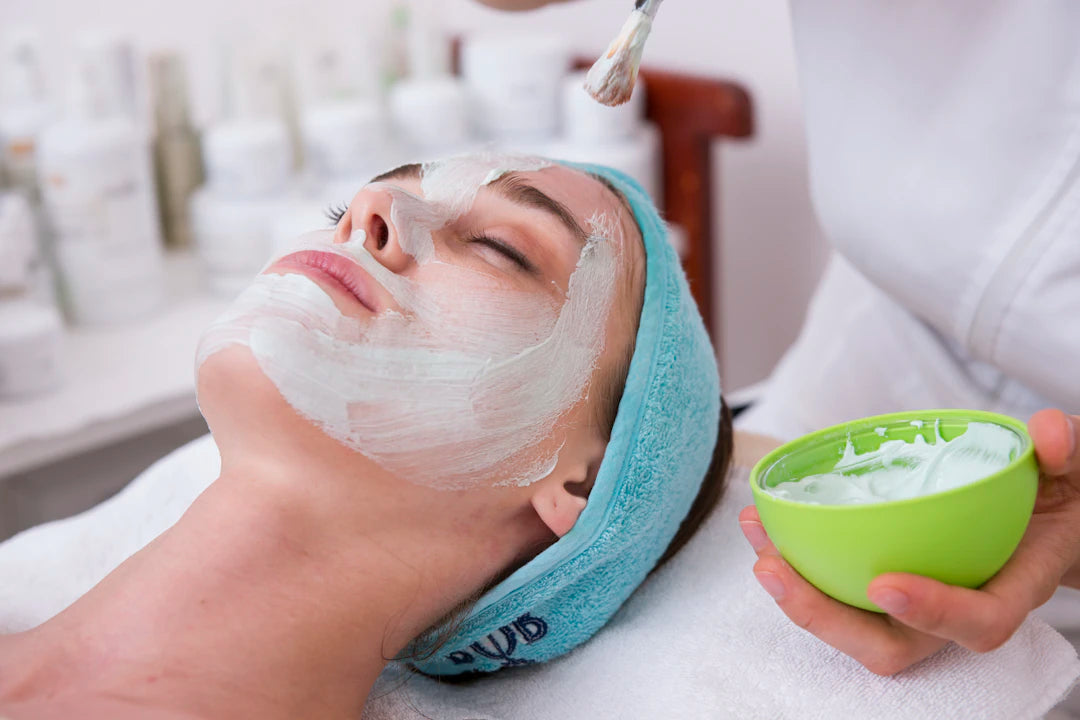
Chemical peels are a popular choice for individuals seeking to enhance their skin's appearance. During this treatment, a solution is applied to the skin to exfoliate the top layers, effectively improving skin texture and tone. Chemical peels can help in reducing acne scars, sun damage, and signs of aging, making it a versatile option for many skin types. Your dermatologist will evaluate your skin to determine the most appropriate type of chemical peel, ensuring you achieve optimal results.
Anti-Aging Treatments
For those looking to combat the visible signs of aging, dermatologists offer a range of anti-aging treatments. Options include:
- Injectables: Treatments like Botox and dermal fillers can help to reduce the appearance of fine lines and restore volume to the face.
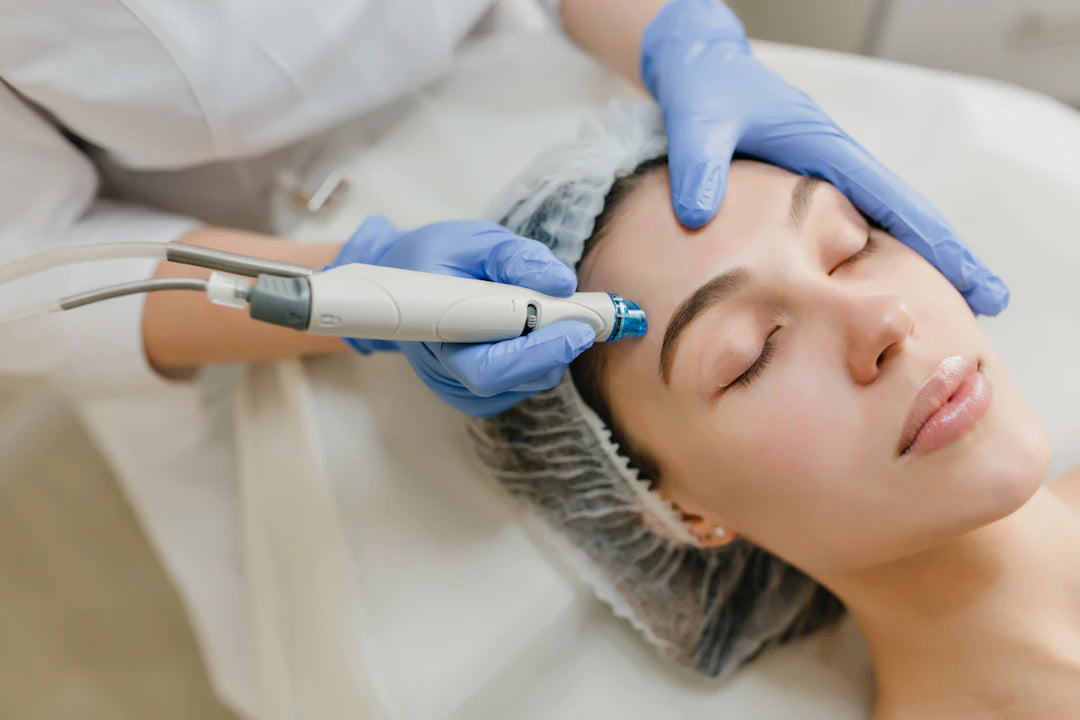
- Laser Therapy: Non-invasive laser treatments stimulate collagen production and rejuvenate the skin, addressing texture and discoloration.
- Topical Treatments: Prescription retinoids and other topical agents can improve skin texture and reduce wrinkles over time.
Working with a dermatologist ensures that you receive the most suitable anti-aging treatment for your specific skin needs.
Dealing with Complex Skin Conditions
Some skin conditions may be more complex than they seem at first glance. Here are a few instances where professional advice is crucial:
Acne and Acne Scarring
While occasional breakouts are common, chronic acne can be frustrating and may require a specialized dermatologist's input. They can provide targeted therapies that are often more effective than over-the-counter products. Additionally, they may address acne scarring through options like chemical peels or laser treatments.
Psoriasis and Eczema
Chronic conditions like psoriasis and eczema often require tailored treatment plans. A dermatologist can prescribe topical or systemic medications to manage flare-ups and prevent complications. By consulting an expert, you can enjoy a more effective and personalized approach to managing these conditions.
The Importance of Regular Check-Ups
In addition to treating specific issues, it's essential to maintain regular check-ups with a dermatologist as part of your skincare routine. These visits can help identify potential concerns early, leading to more successful treatment outcomes.
Early Detection
Many skin cancers can be effectively treated when caught early. Regular skin exams allow dermatologists to identify any unusual moles or changes promptly, ensuring that any necessary testing occurs in a timely manner. Awareness of your skin's health can make all the difference.
Tailored Skincare Recommendations
During regular check-ups, your dermatologist can assess your skin type and provide personalized skincare recommendations. They can suggest suitable products, routines, and treatments that align with your skin needs, helping you to maintain a radiant and healthy complexion.
How to Prepare for Your Dermatology Appointment
To make the most of your visit to a dermatologist, preparation is key. Here are some tips to help you get ready:
- Keep a Skin Diary: Note any changes, products you use, and how your skin reacts to them.
- Be Honest: Share your medical history, including any medications and treatments you’ve used.
- Prepare Questions: Think of specific questions you’d like to ask regarding your skin concerns and treatment options.
Your Journey to Radiant Skin Starts Here!
Consulting a dermatologist is a vital step in maintaining your skin's health and appearance. Whether you are struggling with persistent skin issues, signs of aging, or complex conditions, professional guidance can make a significant difference. With access to advanced treatments like chemical peels and anti-aging solutions, a dermatologist provides tailored recommendations that empower you to achieve your skincare goals.
Don't overlook the importance of your skin—it's never too late to prioritize your skincare journey. So take that first step, schedule your appointment, and embark on the path to radiant skin today!
Frequently Asked Questions
1. When should I consider consulting a dermatologist?
2. What conditions can a dermatologist treat?
3. What are chemical peels?
4. How do dermatologists help with signs of aging?
5. Why are regular check-ups with a dermatologist important?
Glossary
| Term | Meaning |
|---|---|
| Dermatologist | A medical professional specializing in skin, hair, and nail conditions. |
| Chemical Peels | A treatment that exfoliates the skin to improve texture and tone. |
| Acne | A common skin condition characterized by pimples and breakouts. |
| Eczema | A chronic condition causing inflamed, itchy skin. |
| Psoriasis | A chronic skin disease that leads to red, scaly patches. |
| Anti-Aging Treatments | Procedures aimed at reducing signs of aging on the skin. |
| Injectables | Botox and fillers used to reduce wrinkles and restore volume. |
| Laser Therapy | A non-invasive treatment that rejuvenates the skin by stimulating collagen. |
| Skin Check-Ups | Regular visits to monitor skin health and catch issues early. |
| Skin Diary | A record of skin changes and reactions to products for better assessment. |
Linked Product

Chemical Peel
The Chemical Peel provides a convenient way to achieve professional-grade skin exfoliation at home, utilizing a potent blend of salicylic and glycolic acid. These pads are designed to deeply cleanse and refine pores, promoting natural cell turnover for smoother, more radiant skin. Ideal for those looking to reduce blemishes and enhance their skincare routine, this product pairs well with Water Molecule and Beauty Oil for optimal results.
View Product