The Essential Benefits of Hydration in Your Skincare Routine

Overview
This article emphasizes the critical role of hydration in achieving healthy, radiant skin, especially during the summer months. Readers will learn about the science behind skin hydration, the importance of incorporating hydration into their skincare routines, and how to choose the right products to maintain moisture. By understanding these concepts, individuals can enhance their skin's resilience and appearance while debunking common hydration myths.
Table of Contents
- Understanding Skin Hydration
- The Science of Skin Hydration
- Why Hydration is Crucial for Your Skin
- 1. Prevents Premature Aging
- 2. Maintains Skin Barrier Function
- 3. Regulates Oil Production
- Hydration in Your Summer Skincare Essentials
- Lightweight Hydrators
- Broad-Spectrum Sun Protection
- Hydrating Mists
- Integrating Hydration into Your Daily Routine
- Step 1: Cleansing
- Step 2: Hydrating Serum
- Step 3: Moisturizing
- Step 4: Sunscreen
- Hydration Myths Debunked
- Myth 1: Drinking Water is Enough
- Myth 2: Oily Skin Doesn’t Need Hydration
- Myth 3: All Hydrating Products Are Greasy
- A Final Splash of Insight
Key Takeaways
- Hydration is essential for maintaining youthful skin. Well-hydrated skin appears plump and glowing, while dehydrated skin looks dull and aged.
- Environmental factors increase water loss. Sun exposure and pollution can lead to transepidermal water loss (TEWL), making hydration crucial.
- Hydration prevents premature aging. Keeping skin hydrated helps maintain elasticity and reduces the appearance of fine lines and wrinkles.
- Oily skin still needs hydration. Dehydrated skin can lead to increased oil production, resulting in breakouts.
- Use lightweight hydrators in summer. Opt for hydrating serums with ingredients like hyaluronic acid to keep skin moisturized without heaviness.
- Incorporate hydrating mists throughout the day. These can refresh and add hydration, especially in hot or air-conditioned environments.
- Apply sunscreen to prevent moisture loss. Broad-spectrum sun protection is essential to protect skin and maintain hydration during summer.
In the quest for healthy and radiant skin, hydration plays an indispensable role. While numerous products promise youthful glows and flawlessly smooth skin, staying hydrated is a fundamental element often overlooked. This article delves into the importance of hydration for your skin care routine, particularly as summer approaches, a time when staying moisturized is crucial. If you desire skin that is not only beautiful but also resilient, understanding hydration should be your first step.
Understanding Skin Hydration
Hydration refers to the water content in your skin. Well-hydrated skin appears plump, youthful, and glowing, whereas dehydrated skin can look dull, flaky, and aged. It’s essential to note that hydration is not just about drinking water, though that is vital; it also entails how you care for your skin, the products you choose, and your overall skin care routine.
The Science of Skin Hydration
The outer layer of the skin, known as the stratum corneum, serves as a barrier to water loss. This layer consists of dead skin cells that help retain moisture when well-hydrated. However, environmental factors—such as sun exposure and pollution—as well as lifestyle choices can lead to transepidermal water loss (TEWL). When TEWL increases, skin can become dry, irritated, and more prone to aging.
Why Hydration is Crucial for Your Skin
Incorporating hydration into your skin care routine is vitally important for several reasons:
1. Prevents Premature Aging
Dehydrated skin can accentuate fine lines and wrinkles, making them more apparent. By ensuring your skin stays well-hydrated, you can help maintain its elasticity and youthful appearance. Hydration enhances your skin’s ability to recover and repair itself, slowing down signs of aging.
2. Maintains Skin Barrier Function
Your skin acts as a barrier, protecting you from external aggressors. A hydrated skin barrier functions more effectively, providing a shield against pollution, bacteria, and harmful UV rays. This is especially pertinent during the summer, as heightened temperature and sun exposure amplify skin’s vulnerability.
3. Regulates Oil Production
Ironically, many people with oily skin often forget to hydrate. When skin is deprived of moisture, it can compensate by producing more oil, leading to breakouts. Keeping your skin hydrated sends signals to your sebaceous glands to maintain a balanced oil production level.
Hydration in Your Summer Skincare Essentials
As the summer sun bears down, your skin requires even more attention to hydration. Here are some summer skincare essentials to keep in mind:
Lightweight Hydrators
Summer temperatures can make heavy creams feel suffocating. Opt for lightweight, hydrating serums with ingredients such as hyaluronic acid, which can hold up to 1,000 times its weight in water. This will ensure your skin remains moisturized without the added weight of heavy products.
Broad-Spectrum Sun Protection
During summer, applying sunscreen is non-negotiable. Look for SPF products that provide hydration without clogging pores. For those with sensitive or acne-prone skin, lightweight and oil-free sun protection will prevent damage while keeping moisture locked in.
Hydrating Mists
Consider keeping hydrating mists handy throughout the day. These can be spritzed on your face to give it a refreshing boost and add an extra layer of hydration. This is particularly useful if you spend time outdoors or in air-conditioned environments.
Integrating Hydration into Your Daily Routine
Now that we’ve established the necessity of hydration, how can you seamlessly incorporate it into your daily skin care routine? Here’s a step-by-step guide:
Step 1: Cleansing
Gentle cleansers that don’t strip the skin of moisture are ideal. Look for products that offer hydration while effectively removing impurities, preparing your skin for the next steps.
Step 2: Hydrating Serum
Following cleansing, apply a hydrating serum. An effective option for summer is a formula containing hyaluronic acid, which serves to attract and retain moisture in the skin. Using it regularly will significantly contribute to your skin’s hydration levels.
Step 3: Moisturizing
After your serum, apply a lightweight moisturizer that suits your skin type. Even if you have oily skin, don’t skip this step. A good moisturizer will enhance the benefits of the hydrating serum and lock in moisture.
Step 4: Sunscreen
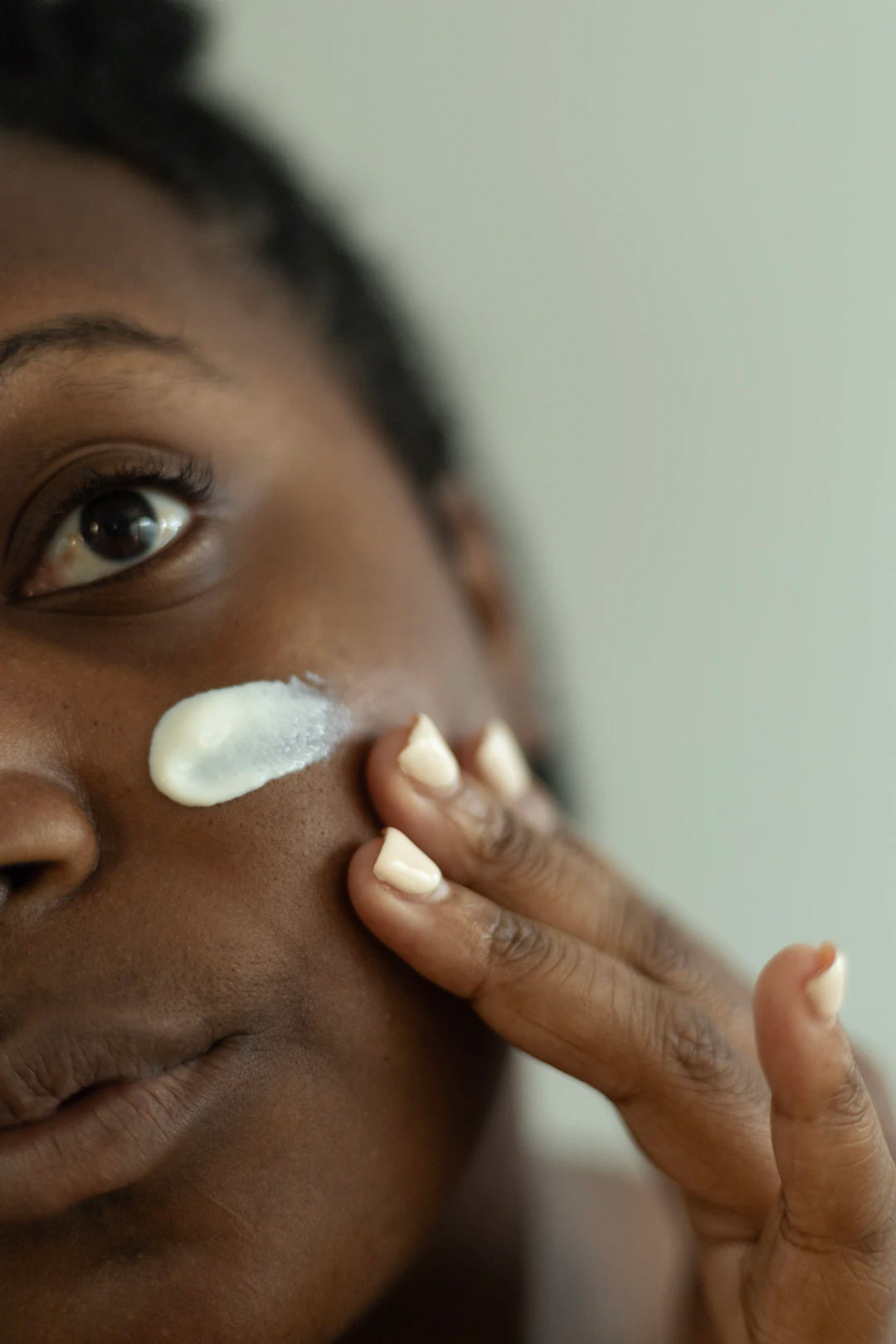
Lastly, finish with a broad-spectrum sunscreen. This provides not only a protective layer against UV rays but can also prevent moisture loss caused by sun exposure—an essential point in summer skincare essentials.
Hydration Myths Debunked
With the influx of information regarding skincare, it’s easy to stumble upon some misconceptions. Here are a few common myths about hydration and the truths behind them:
Myth 1: Drinking Water is Enough
While drinking enough water is crucial for overall health, it doesn’t necessarily translate to hydrated skin. Topical application of hydrating products is equally important in retaining moisture.
Myth 2: Oily Skin Doesn’t Need Hydration
This is a misconception that could lead to further skin issues. Oily skin needs hydration to balance oil production, strengthen the skin barrier, and prevent excessive oiliness.
Myth 3: All Hydrating Products Are Greasy
Not all hydrating products are heavy or greasy. Many lightweight options exist—particularly gel-based formulas—providing hydration without leaving a greasy residue.
A Final Splash of Insight
In summary, hydration is not merely an additional step but a fundamental aspect of your skin care routine that should not be ignored. The importance of keeping your skin properly hydrated especially becomes pronounced during the summer months when exposure to heat and sunlight is rampant. By focusing on a well-rounded hydration strategy with the right products and practices, you can achieve a glowing complexion, safeguard your skin against harsh environmental factors, and promote long-lasting vitality.
Make hydration a priority, and you’ll discover that your skin not only looks better but feels better too. Remember, a well-hydrated skin is your first line of defense against aging and external aggressors—stay consistent, and enjoy the radiant benefits that follow!
Frequently Asked Questions
1. Why is hydration important for my skin?
2. What role does hydration play in preventing premature aging?
3. How can I incorporate hydration into my summer skin care routine?
4. Is drinking water alone sufficient for skin hydration?
5. Can people with oily skin skip hydration?
Glossary
| Term | Meaning |
|---|---|
| Hydration | The water content in your skin, essential for a healthy appearance. |
| TEWL | Transepidermal water loss; the process of water escaping from the skin. |
| Stratum Corneum | The outer layer of skin that helps retain moisture. |
| Lightweight Hydrators | Products that provide moisture without feeling heavy on the skin. |
| Broad-Spectrum Sunscreen | SPF products that protect against both UVA and UVB rays. |
| Hydrating Serum | A concentrated product designed to attract and retain moisture. |
| Moisturizer | A product that helps lock in moisture and keep skin hydrated. |
| Hydrating Mists | Sprays that provide an instant boost of hydration throughout the day. |
| Oily Skin | Skin type that may produce excess oil and still requires hydration. |
| Myth | A common misconception about hydration and skincare practices. |
Linked Product

Hydrate & Protect Bundle
The Hydrate & Protect Bundle combines the Water Molecule hyaluronic acid serum with EltaMD UV Clear Broad-Spectrum SPF 46 to provide essential hydration and sun protection. The serum helps maintain moisture levels in the skin while reducing transepidermal water loss, and the SPF offers lightweight, oil-free protection ideal for sensitive, acne-prone skin. This duo supports a radiant complexion throughout the summer months.
View Product