Exfoliation Explained: Why It’s Crucial for Healthy Skin
Overview
This article highlights the crucial role of exfoliation in achieving healthy, radiant skin. Readers will learn about the different methods of exfoliation, including mechanical and chemical approaches, as well as the numerous benefits of incorporating this practice into their skincare routines. Additionally, the guide provides practical tips on how to choose the right exfoliant and avoid common mistakes, ensuring a successful and effective skincare regimen.
Table of Contents
- What is Exfoliation?
- Mechanical Exfoliation
- Chemical Exfoliation
- The Benefits of Exfoliation
- How Often Should You Exfoliate?
- Choosing the Right Exfoliant
- Skin Type
- Exfoliant Formulation
- Personal Preferences
- Common Exfoliation Mistakes to Avoid
- Integrating Exfoliation Into Your Routine
- Start Slowly
- Follow a Routine
- Listen to Your Skin
- Tailoring Exfoliation For Seasonal Changes
- Myths About Exfoliation
- Unlock Radiance with Exfoliation
Key Takeaways
- Exfoliation is essential for maintaining healthy skin by removing dead skin cells and promoting new cell growth.
- Two primary methods of exfoliation are mechanical (scrubs and brushes) and chemical (acids and enzymes).
- Regular exfoliation improves skin texture, unclogs pores, enhances product absorption, and boosts radiance.
- Frequency varies based on skin type: normal skin can exfoliate 2-3 times a week, while sensitive skin should limit it to once a week.
- Choosing the right exfoliant depends on your skin type and personal preferences; always perform a patch test.
- Avoid common mistakes like over-exfoliating, using harsh products, and neglecting sun protection after exfoliation.
- Seasonal adjustments to your exfoliation routine can help address specific skin needs throughout the year.
When it comes to maintaining healthy and radiant skin, exfoliation plays an essential role that often goes overlooked. Understanding the importance and benefits of exfoliation can help you elevate your skin care routine to new heights. This guide will delve into the various methods of exfoliation, their advantages, and why incorporating them regularly is vital for achieving vibrant skin.
What is Exfoliation?
Exfoliation is the process of removing the oldest dead skin cells from the surface of your skin. This is a crucial step in any effective skin care routine, as it facilitates new cell growth and ensures that your complexion remains smooth and fresh. There are two primary types of exfoliation: mechanical and chemical exfoliation.
Mechanical Exfoliation
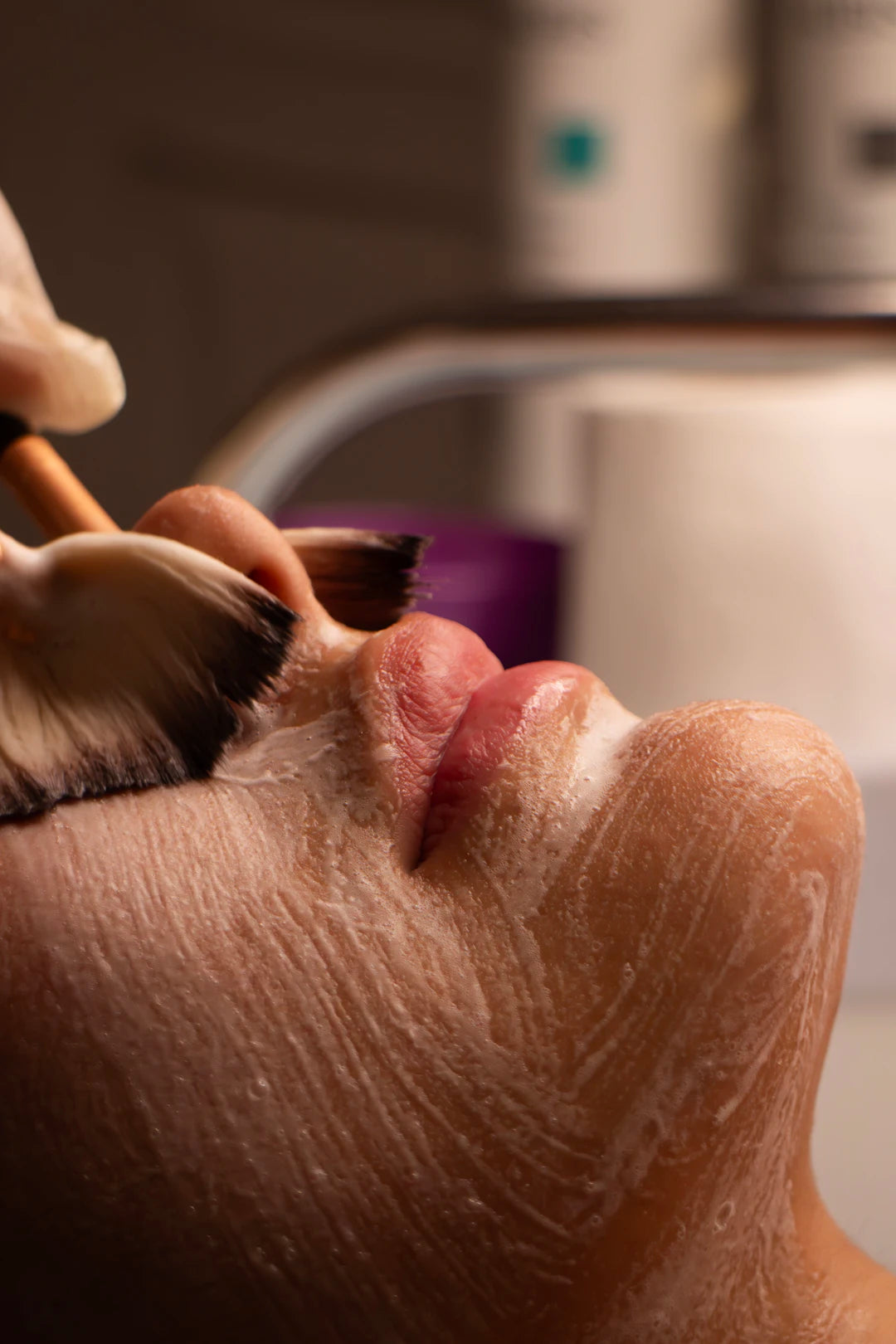
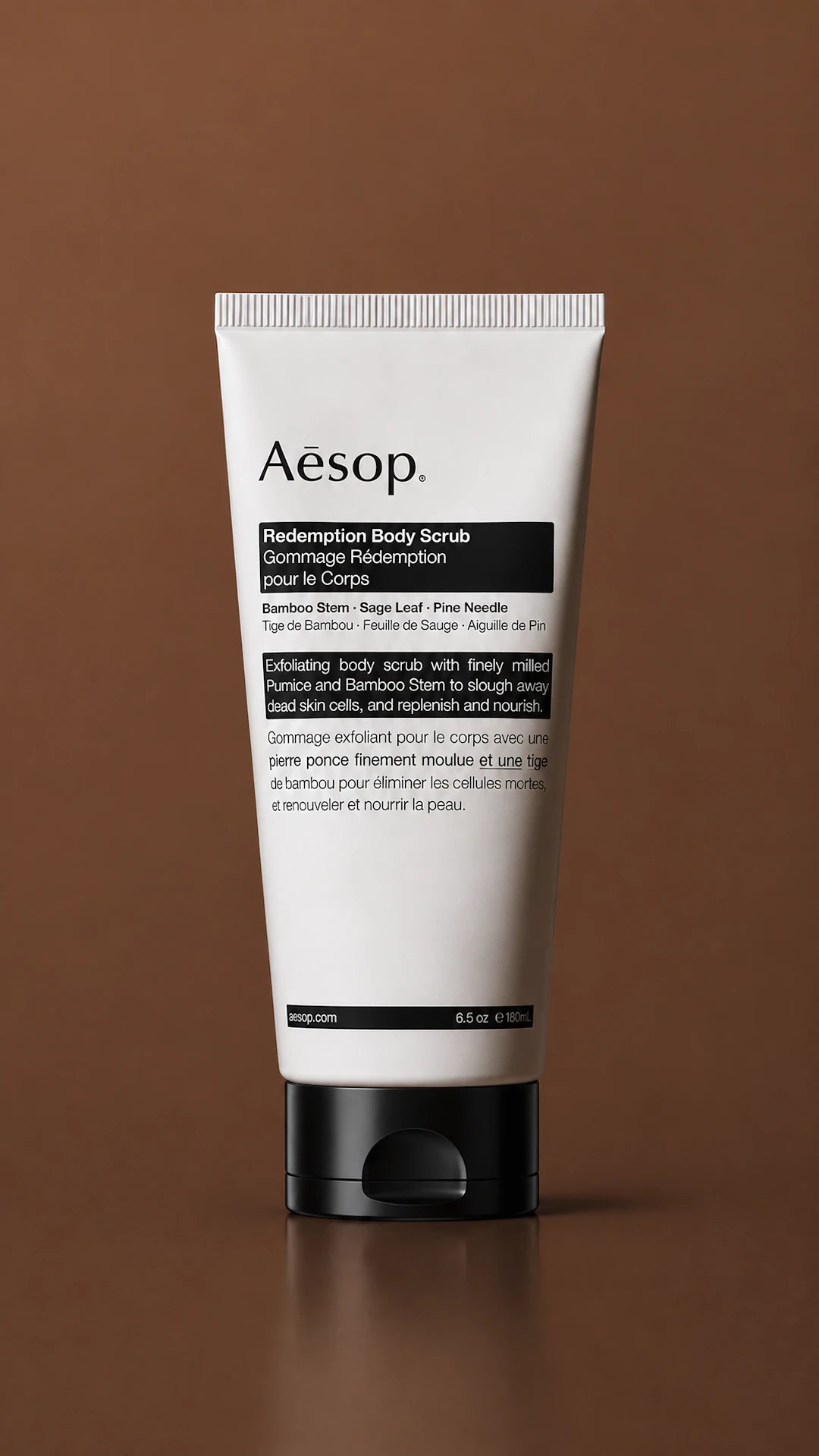
Mechanical exfoliation involves physically scrubbing away dead skin cells using a tool or product. This includes scrubs, brushes, or even exfoliating gloves. The gritty texture of these products helps lift away the dead skin cells and reveals the fresh, youthful skin underneath. However, care should be taken not to over-exfoliate, as this can lead to irritation and damage.
Chemical Exfoliation
Chemical exfoliation, on the other hand, utilizes acids or enzymes to dissolve dead skin cells instead of sloughing them off. Common agents include alpha hydroxy acids (AHAs) and beta hydroxy acids (BHAs). These ingredients penetrate into the pores and effectively remove impurities while promoting the turnover of new skin cells. A chemical peel is a popular option that exemplifies this method, with varying strengths to suit different skin types and concerns.
The Benefits of Exfoliation
Incorporating exfoliation into your skin care routine offers several benefits that contribute to improved skin health:
- Promotes Cell Turnover: By removing dead skin cells, exfoliation encourages the production of new cells, making your skin appear fresher and more vibrant.
- Improves Skin Texture: Regular exfoliation smooths rough patches and helps minimize the appearance of fine lines and wrinkles, leading to an even skin texture.
- Unclogs Pores: Exfoliating helps remove dirt and oil buildup in your pores, reducing the risk of breakouts and acne.
- Enhances Product Absorption: By clearing away dead skin, exfoliation allows your skin to absorb serums and moisturizers more effectively, maximizing the benefits of your skin care routine.
- Boosts Radiance: With regular exfoliation, the skin reflects light better, leading to a healthy and radiant glow.
How Often Should You Exfoliate?
The frequency of exfoliation can vary greatly depending on your skin type and the exfoliation method used. Here’s a simple guide:
- Normal Skin: 2–3 times a week for mechanical exfoliants; once a week for chemical peels.
- Dry Skin: 1–2 times a week to avoid over-drying; opt for gentle chemical exfoliants with hydrating properties.
- Oily Skin: 2–3 times a week for mechanical exfoliants; 1–2 times a week for chemical peels using BHAs.
- Sensitive Skin: Once a week for gentle mechanical exfoliants; use mild chemical exfoliants on a bi-weekly basis.
Choosing the Right Exfoliant
With numerous products available, selecting the right exfoliant can be overwhelming. Here are a few factors to consider:
Skin Type
Your skin type plays a significant role in determining which exfoliant suits you best. If you have sensitive skin, opt for gentler products with softer granules or mild acids. Those with oily or acne-prone skin might benefit from strong AHAs or BHAs that can penetrate deeper. Always conduct a patch test when trying a new product.
Exfoliant Formulation
Look for key ingredients in exfoliants that suit your skin needs. For instance, AHAs like glycolic acid are excellent for dry skin since they enhance moisture retention. Conversely, BHAs like salicylic acid are beneficial for those with oily or acne-prone skin as they help clear out pores and excess sebum.
Personal Preferences
Choose between mechanical exfoliants, such as scrubs or sponges, and chemical exfoliants, like serums or peels, based on what you feel most comfortable using. The approach you choose should seamlessly integrate into your existing skin care routine.
Common Exfoliation Mistakes to Avoid
To achieve optimal results from exfoliation, it's crucial to avoid common pitfalls:
- Over-Exfoliating: Be mindful not to exfoliate too frequently, as it can strip the skin of natural oils and lead to irritation or redness.
- Using Harsh Products: Scrubs with large or jagged particles may cause micro-tears in the skin. Opt for products with fine granules instead.
- Skipping Moisturizer: After exfoliating, always follow up with a hydrating moisturizer to maintain skin’s moisture barrier.
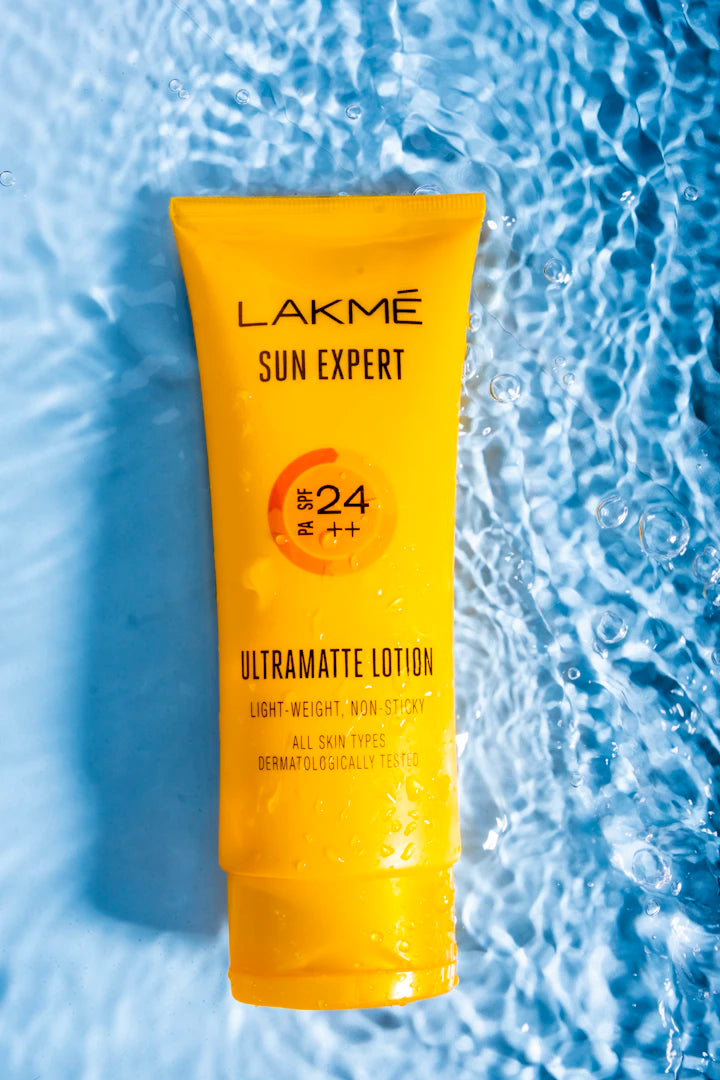
- Ignoring Sun Protection: Exfoliation can make your skin more sensitive to sunlight. Always apply a broad-spectrum sunscreen during the day if you've exfoliated.
Integrating Exfoliation Into Your Routine
Ready to incorporate exfoliation into your skin care routine? Here are some tips on how to do it effectively:
Start Slowly
If you’re new to exfoliation, begin slowly. Start with once a week and gradually increase the frequency based on how your skin responds. It’s important to observe how your skin feels and adjusts over time.
Follow a Routine
Integrate exfoliation into your established routine. A simple regimen could look like this:
- Cleanser
- Exfoliant (2-3 times week)
- Toner (if applicable)
- Serum
- Moisturizer
- Sunscreen (morning routine)
Listen to Your Skin
Your skin will communicate what it needs. If you notice any signs of irritation or sensitivity after exfoliating, reduce the frequency or switch to a gentler product. Always prioritize your skin's health above all.
Tailoring Exfoliation For Seasonal Changes
As the seasons change, so do the needs of your skin. Adapt your exfoliation routine accordingly:
- Summer: Consider using chemical exfoliants like AHAs, which can help combat oily skin caused by heat and humidity.
- Winter: Switch to gentler, hydrating exfoliants to address dryness and maintain moisture levels in your skin.
- Spring: Focus on bringing back radiance after winter by incorporating brightening exfoliants.
- Fall: Prep your skin for the upcoming winter by deep cleaning with stronger exfoliants.
Myths About Exfoliation
Let’s demystify some common myths surrounding exfoliation:
- Myth 1: Exfoliation is Only for Oily Skin: All skin types benefit from exfoliation, but methods and frequency may differ.
- Myth 2: Exfoliation Causes Skin Damage: When done correctly, exfoliation is safe and beneficial. Just avoid overdoing it!
- Myth 3: You Only Need to Exfoliate in Summer: Exfoliation is crucial year-round; each season presents different challenges for the skin.
Unlock Radiance with Exfoliation
Exfoliation is not just a mere suggestion in your skin care routine; it’s a necessity for achieving the healthy, glowing complexion you desire. By understanding the different methods, benefits, and how to properly incorporate them into your regimen, you are setting yourself on the path to vibrant skin.
As you embrace this transformative process, remember that each exfoliation session brings you one step closer to revealing the fresh, youthful skin beneath. So, dive into the world of exfoliation and let your skin shine with confidence!
Frequently Asked Questions
1. What is exfoliation?
2. What are the two primary types of exfoliation?
3. How often should I exfoliate my skin?
4. What are the benefits of exfoliation?
5. What common mistakes should I avoid when exfoliating?
Glossary
| Term | Meaning |
|---|---|
| Exfoliation | The process of removing dead skin cells to promote new cell growth. |
| Mechanical Exfoliation | Physical scrubbing of the skin using tools or products like scrubs and brushes. |
| Chemical Exfoliation | Use of acids or enzymes to dissolve dead skin cells and impurities. |
| AHAs | Alpha Hydroxy Acids that help with moisture retention and skin texture. |
| BHAs | Beta Hydroxy Acids that penetrate pores to clear oil and prevent acne. |
| Cell Turnover | The process of shedding old skin cells and generating new ones. |
| Over-Exfoliating | Excessive exfoliation that can lead to irritation and skin damage. |
| Patch Test | A test to check for skin sensitivity to a new product before full use. |
| Moisturizer | A product applied to hydrate and protect the skin after exfoliation. |
| Sun Protection | Using sunscreen to protect skin from UV damage, especially after exfoliation. |
Linked Product

Chemical Peel
The Chemical Peel offers a convenient way to achieve professional-level exfoliation at home. Formulated with salicylic and glycolic acid, these pads help to cleanse and refine pores while promoting natural cell turnover. Regular use can assist in reducing blemishes and enhancing skin radiance.
View Product