
Understanding Sunscreen: Daily Protection for Your Skin
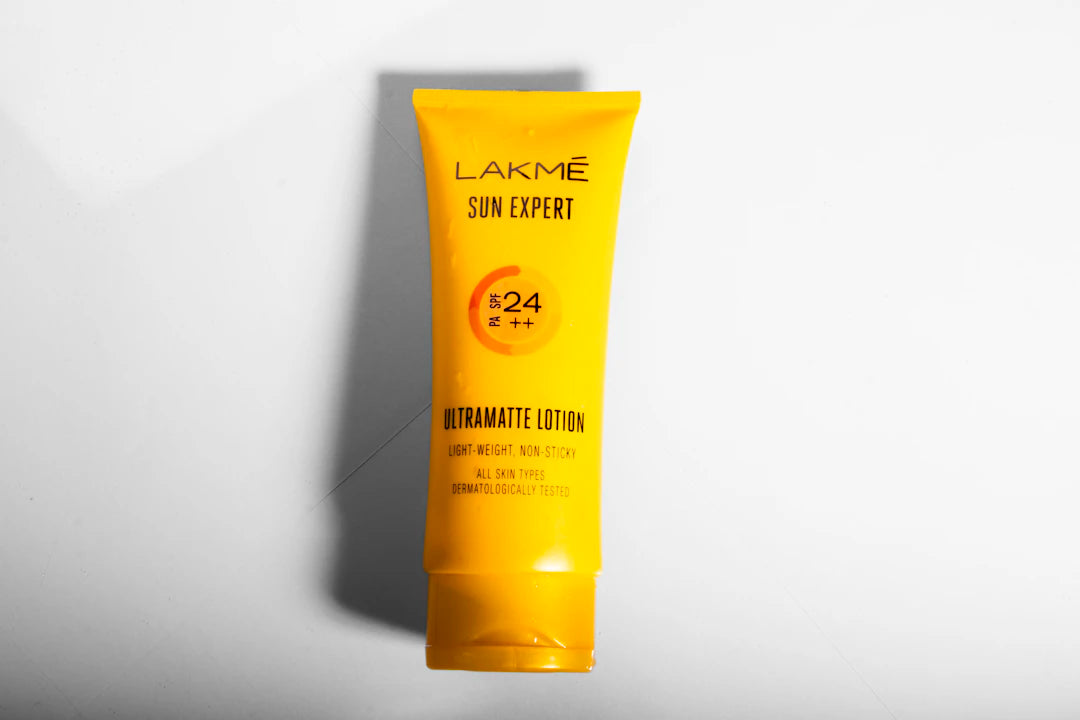
Overview
Daily sunscreen application is essential for healthy skin, preventing aging, and protecting against UV damage. Understand the types of sunscreen (physical vs. chemical), choose the right product for your skin type, and apply it correctly for maximum effectiveness. Incorporate sunscreen into your skincare routine year-round for optimal results.
Table of Contents
- Why is Sunscreen Essential?
- Understanding Different Types of Sunscreen
- Physical Sunscreens
- Chemical Sunscreens
- Choosing the Right Sunscreen for Your Skin Type
- Skin Type
- Sun Protection Factor (SPF)
- Harnessing the Power of Broad-Spectrum Protection
- Application Tips for Maximum Efficacy
- The Role of Sunscreen in Your Complete Skincare Regimen
- How Sunscreen Contributes to Reducing Anti-Wrinkles
- Debunking Common Sunscreen Myths
- The Future of Sunscreen Innovation
- Embrace Daily Sun Protection for a Radiant Future
Key Takeaways
- Daily Use is Essential: Apply sunscreen every day, regardless of weather conditions, to protect against harmful UV rays.
- Choose the Right Type: Select between physical and chemical sunscreens based on your skin type and preferences for optimal results.
- SPF Matters: Use a sunscreen with at least SPF 30 for adequate protection against UVB rays.
- Broad-Spectrum Protection: Always opt for broad-spectrum sunscreens to guard against both UVA and UVB rays.
- Reapply Regularly: Reapply sunscreen every two hours, or more frequently if swimming or sweating, to maintain effectiveness.
- Integrate into Your Routine: Layer sunscreen with other skincare products like moisturizers and serums for enhanced hydration and protection.
- Debunk Myths: Understand that sunscreen is necessary for everyone, regardless of skin type or weather, to prevent sun damage and aging.
When it comes to skincare, significant emphasis is often placed on cleansing, moisturizing, and treating. However, one crucial step that should never be overlooked is the daily application of sunscreen. Understanding sunscreen is vital to maintaining healthy skin and ensuring long-term skin hydration and protection against signs of aging such as wrinkles. In this article, we will delve into the specifics of sunscreen, exploring its benefits, types, how to choose the right product, and best practices for daily application.
Why is Sunscreen Essential?
Sun exposure has both positive and negative effects on our skin. While it can help in the production of Vitamin D, excessive exposure can lead to serious skin conditions such as sunburn, long-term skin damage, and an increased risk of skin cancer. Here are some compelling reasons why you need sunscreen in your daily routine:
- Protection from UV Rays: Sunscreen acts as a barrier between your skin and the sun's harmful ultraviolet (UV) rays, primarily UVA and UVB rays, both of which can contribute to skin trauma.
- Prevention of Skin Aging: Regular application of sunscreen is one of the most effective methods for preventing premature aging signs such as fine lines and wrinkles. The sun's rays can accelerate the aging process, making sunscreen an essential tool for long-term skin health.
- Even Skin Tone: Sunscreen helps in preventing dark spots and uneven skin tone, keeping your complexion looking fresh and clear.
- Support in Skin Hydration: Many sunscreens today are designed with hydrating ingredients, which adds an extra layer of moisture to your skin and helps maintain its suppleness.
Understanding Different Types of Sunscreen
Not all sunscreens are created equal. They come in various forms, including creams, gels, sprays, and sticks. Additionally, they can be categorized into physical (mineral) and chemical sunscreens. Here’s a closer look at each type:
Physical Sunscreens
Physical or mineral sunscreens contain active mineral ingredients, such as zinc oxide or titanium dioxide. These ingredients sit on top of the skin, reflecting and scattering UV rays. The benefits of physical sunscreens include:
- Immediate protection upon application, meaning you don't have to wait before heading outside.
- Less likely to irritate sensitive skin and are often recommended for those with skin conditions.
- They provide broad-spectrum protection against both UVA and UVB rays.
Chemical Sunscreens
Chemical sunscreens contain organic compounds that absorb UV rays and convert them into heat, which is then released from the skin. They often include ingredients such as avobenzone, octisalate, and octocrylene. Benefits of chemical sunscreens include:
- Lightweight texture that absorbs easily into the skin, making them great for everyday use.
- Variety of formulations designed for different skin types and preferences.
Choosing the Right Sunscreen for Your Skin Type
Selecting the right sunscreen can be daunting, especially with the vast array of products available in the market today. Consider the following factors when making your choice:
Skin Type
Your skin type influences how sunscreen interacts with your skin. Here’s a quick guideline:
- Oily Skin: Look for oil-free or matte-finish formulations to avoid clogged pores.
- Dry Skin: Opt for moisturizing sunscreens that incorporate skin hydration ingredients like hyaluronic acid or aloe vera.
- Sensitive Skin: Choose physical sunscreens, which are often gentler on the skin.
Sun Protection Factor (SPF)
SPF is a critical factor when choosing a sunscreen. It measures the level of protection against UVB rays, the primary cause of sunburn. Here’s what you should know:
- For daily use, select a sunscreen with at least SPF 30 to ensure adequate protection.
- Higher SPF offerings (50 and above) offer a marginal increase in protection; however, they are not the only factor as reapplication and broad-spectrum protection are equally important.
Harnessing the Power of Broad-Spectrum Protection
When shopping for sunscreen, always look for products labeled "broad-spectrum." This term indicates that the sunscreen protects against both UVA and UVB rays. While UVB rays are primarily responsible for sunburn, UVA rays penetrate deeper into the skin and contribute to wrinkles, fine lines, and skin cancer. Broad-spectrum sunscreens provide comprehensive protection, helping to mitigate both immediate and long-term skin issues.
Application Tips for Maximum Efficacy
Even the best sunscreen is ineffective if not applied correctly. Follow these tips to ensure you're getting the most out of your sunscreen:
- Apply Generously: Use a sufficient amount to cover all exposed skin. A general rule of thumb is about one ounce (or a shot glass full) for full-body coverage.
- Reapply Regularly: Sunscreen should be reapplied every two hours, or sooner if you are swimming or sweating.
- Use it Daily: Make sunscreen a part of your daily routine, even on cloudy days or when staying indoors, as UV rays can penetrate windows.
The Role of Sunscreen in Your Complete Skincare Regimen
Sunscreen should not exist in isolation; it works best when integrated into a comprehensive skincare regimen. Here’s how to effectively layer sunscreen with other products:
- Cleanser: Start with a gentle cleanser to remove impurities and prepare your skin.
- Toner/Serum: Apply any hydrators or treatments before sunscreen. Ensure that hydrating ingredients like hyaluronic acid are included to bolster skin hydration.
- Moisturizer: If your sunscreen is not moisturizing, it may be beneficial to apply your daily moisturizer before applying sunscreen.
- Sunscreen: Finally, apply sunscreen as per the guidelines above.
How Sunscreen Contributes to Reducing Anti-Wrinkles
Regular use of sunscreen not only protects against sunburn but also serves as a powerful tool in diminishing the signs of aging, including wrinkles. Here’s how:
- Prevention of DNA Damage: Chronic sun exposure can cause DNA damage in skin cells, leading to premature aging and wrinkles. By blocking UV rays with sunscreen, you protect your skin at a cellular level.
- Collagen Preservation: UV rays can break down collagen, contributing to sagging skin and wrinkles. Using sunscreen consistently helps maintain your skin’s collagen levels, keeping it youthful and plump.
- Reduction of Free Radicals: Some sunscreens contain antioxidants that can neutralize free radicals generated by sun exposure, further protecting against cellular damage.
Debunking Common Sunscreen Myths
Despite the wealth of information available, various myths surrounding sunscreen can lead to misinformation. Let’s debunk some of the most prevalent myths:
- Myth 1: Sunscreen is only necessary on sunny days. – UV rays are present even on cloudy days, making sunscreen a year-round necessity.
- Myth 2: Dark skin doesn’t need sunscreen. – While darker skin has more melanin, it is not immune to sun damage. Everyone, regardless of skin color, should wear sunscreen.
- Myth 3: You only need to apply sunscreen once a day. – Sunscreen effectiveness diminishes over time or with water exposure, necessitating regular reapplication.
The Future of Sunscreen Innovation
As more research unveils the importance of sun protection, the sunscreen industry is evolving. Innovative formulations are now incorporating advanced technology and multifunctionality. Expect to see:
- New types of mineral-based ingredients that promise lighter textures and broader coverage.
- Products designed for sensitive skin with enhanced soothing components.
- Smart sunscreen that may include app integration, reminding users to reapply based on UV exposure levels in real time.
Embrace Daily Sun Protection for a Radiant Future
In summary, understanding and applying sunscreen daily is a crucial element of any effective skincare routine. By following this comprehensive guide, you’ll not only enhance your skin hydration and longevity but also tackle the development of anti-wrinkles effectively. Don't let the sun dictate your skin’s age; take control and embrace the benefits of sunscreen to ensure a radiant, youthful appearance for years to come. Your skin deserves to thrive in any environment, so make sunscreen a non-negotiable part of your skincare regimen!
Frequently Asked Questions
1. Why is sunscreen important for skincare?
2. What are the different types of sunscreen?
3. How do I choose the right sunscreen for my skin type?
4. How often should I apply sunscreen?
5. What are some common myths about sunscreen?
Glossary
| Term | Meaning |
|---|---|
| Sunscreen | A product applied to protect skin from UV rays. |
| UV Rays | Ultraviolet rays from the sun that can damage skin. |
| SPF | Sun Protection Factor; measures sunscreen effectiveness against UVB rays. |
| Broad-Spectrum | Protection against both UVA and UVB rays. |
| Physical Sunscreen | Contains minerals that reflect UV rays; less likely to irritate skin. |
| Chemical Sunscreen | Absorbs UV rays and converts them to heat; typically lightweight. |
| Reapply | To apply sunscreen again after a certain time or activity. |
| Hydrating Ingredients | Components that add moisture to the skin, like hyaluronic acid. |
| Even Skin Tone | A complexion without dark spots or discoloration. |
| Collagen | A protein that helps maintain skin's firmness and elasticity. |
Linked Product

Hydrate & Protect Bundle
The Hydrate & Protect Bundle combines a hydrating hyaluronic acid serum with a broad-spectrum SPF 46 sunscreen, making it an essential summer skincare duo. The Water Molecule Serum helps maintain moisture levels and supports skin resilience, while the lightweight EltaMD sunscreen offers effective protection against UV rays, suitable for sensitive and acne-prone skin. Together, these products help keep skin hydrated and shielded from the summer elements.
View Product