Unmasking Skin Care Myths: Get the Truth Out!

Overview
This blog debunks common skin care myths, emphasizing the importance of understanding effective practices for achieving glowing skin. Key points include: exfoliating 1-2 times a week, balancing natural and synthetic ingredients, using sunscreen daily, moisturizing all skin types, and starting a skin care routine early. For best results, focus on evidence-based practices and tailored products.
Table of Contents
- Myth 1: You Need to Exfoliate Daily
- What’s the Right Schedule?
- Myth 2: Natural Ingredients Are Always Better
- Discovering the Right Balance
- Myth 3: Tanning Is Safe If It’s Gradual
- Stay Sun Safe
- Myth 4: Pore Strips are the Key to Clear Skin
- Building a Better Routine
- Myth 5: Oily Skin Doesn’t Need Moisturizer
- Finding the Right Moisturizer
- Myth 6: You Only Need Sunscreen on Sunny Days
- Daily Sunscreen Application
- Myth 7: Drinking Water Prevents Dry Skin
- Hydration from Within and Without
- Myth 8: Wrinkles Are Inevitable with Aging
- Embrace Preventative Care
- Myth 9: You Should Skip Skin Care If You’re Young
- The Importance of Early Care
- Myth 10: Makeup Can Cause Acne
- Selecting Skin-Friendly Makeup
Key Takeaways
- Exfoliation Frequency: Most skin types should exfoliate 1-2 times per week to avoid irritation and maintain a healthy skin barrier.
- Natural vs. Synthetic: Both natural and synthetic ingredients can be effective; it's essential to find a balance in your skincare routine.
- Daily Sunscreen: Apply broad-spectrum sunscreen every day, regardless of weather conditions, to protect against UV damage.
- Moisturizing Oily Skin: Everyone, including those with oily skin, should use a lightweight, oil-free moisturizer to prevent overproduction of oil.
- Hydration Sources: Use moisturizing products for skin hydration, as drinking water alone does not guarantee hydrated skin.
- Early Skincare Routine: Starting a skincare routine at a young age helps establish a foundation for long-term skin health.
- Makeup Myths: Not all makeup causes acne; look for non-comedogenic products to minimize breakouts.
When it comes to skin care, there are plenty of misconceptions floating around that can lead us down the path of ineffective treatments and disappointment. Understanding what actually works is crucial if you want to unlock the secret to glowing skin. In this blog post, we’ll dive deep into some of the most common skin care myths, debunking them one by one, so you can embrace a routine that truly benefits your skin. Whether you are seeking antiaging solutions or exploring the latest in skincare ingredients, reading right here will set you on the right track.
Myth 1: You Need to Exfoliate Daily
Exfoliating is an essential part of any skin care routine, but it’s crucial to find the right balance. The idea that you should exfoliate your skin daily can lead to irritation and a compromised skin barrier. Over-exfoliating can strip your skin of its natural oils, leading to dryness and sensitivity.
What’s the Right Schedule?
Most skin types benefit from exfoliating 1-2 times per week. Those with sensitive skin may need to stick to once a week or even less. Always pay attention to your skin’s response and adjust accordingly.
Myth 2: Natural Ingredients Are Always Better
There is a common belief that natural skin care products are safer and more effective than their synthetic counterparts. While natural ingredients can be beneficial, they aren't always superior. Some natural components can cause allergic reactions or irritation. Conversely, many synthetic ingredients undergo rigorous testing and research to ensure their efficacy and safety.
Discovering the Right Balance
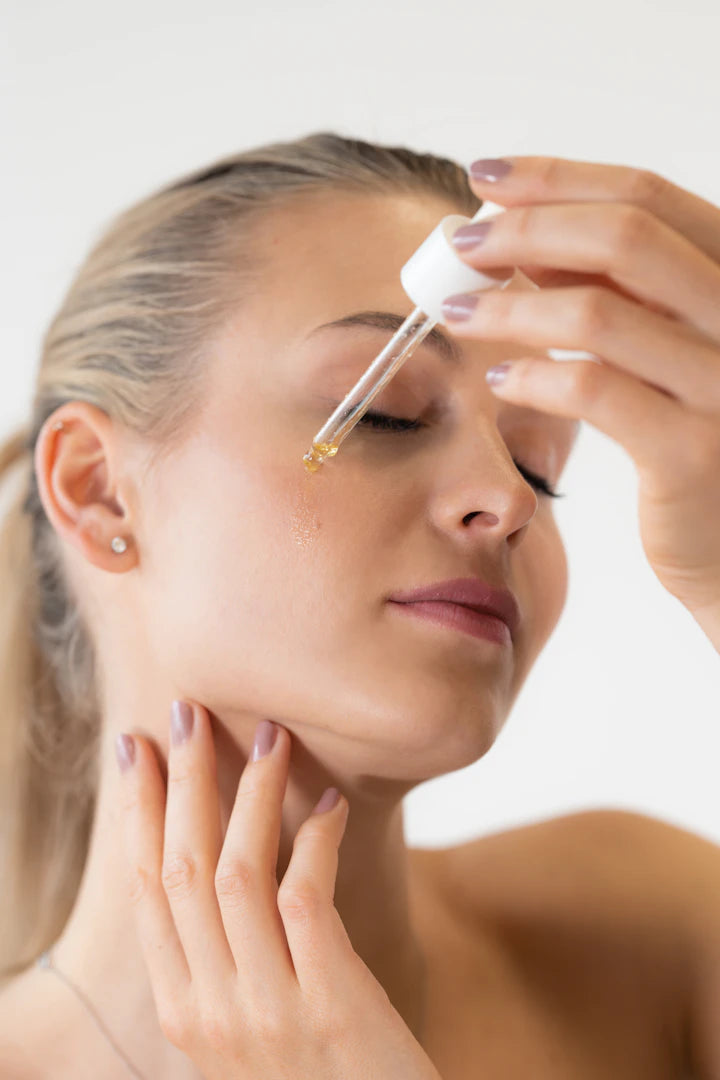
Consider incorporating a mix of both natural and scientifically formulated products into your skincare routine. This will allow you to take advantage of the best of both worlds. For example, include a Micro Serum rich in antioxidants from synthetic formulas while still enjoying the soothing benefits of natural oils.
Myth 3: Tanning Is Safe If It’s Gradual
Many people believe that using gradual tanning products is harmless. However, the truth is that any exposure to UV rays increases the risk of skin damage and premature aging. Even if you prefer a slow approach, the impact on your skin can accumulate over time.
Stay Sun Safe
To protect your skin from harmful UV damage, applying a broad-spectrum sunscreen daily, regardless of whether it's sunny or not, is crucial. Remember, safe tanning options such as bronzing products can offer beautiful color without adding to skin damage.
Myth 4: Pore Strips are the Key to Clear Skin
Pore strips can be satisfying to use but they aren’t the miracle solution many hope they are. They only remove surface dirt and oil and don’t provide long-term results. Furthermore, excessive use may irritate your skin and lead to increased oil production.
Building a Better Routine
Instead of relying solely on pore strips, focus on a comprehensive cleansing routine that includes a quality cleanser and regular exfoliation. This will help keep your pores clear and reduce the need for quick fixes.
Myth 5: Oily Skin Doesn’t Need Moisturizer
One significant myth is that individuals with oily skin can skip moisturizing. In reality, everyone needs moisturizer, regardless of skin type. When oily skin lacks hydration, it can overcompensate by producing even more oil, which can lead to breakouts and an uneven complexion.
Finding the Right Moisturizer
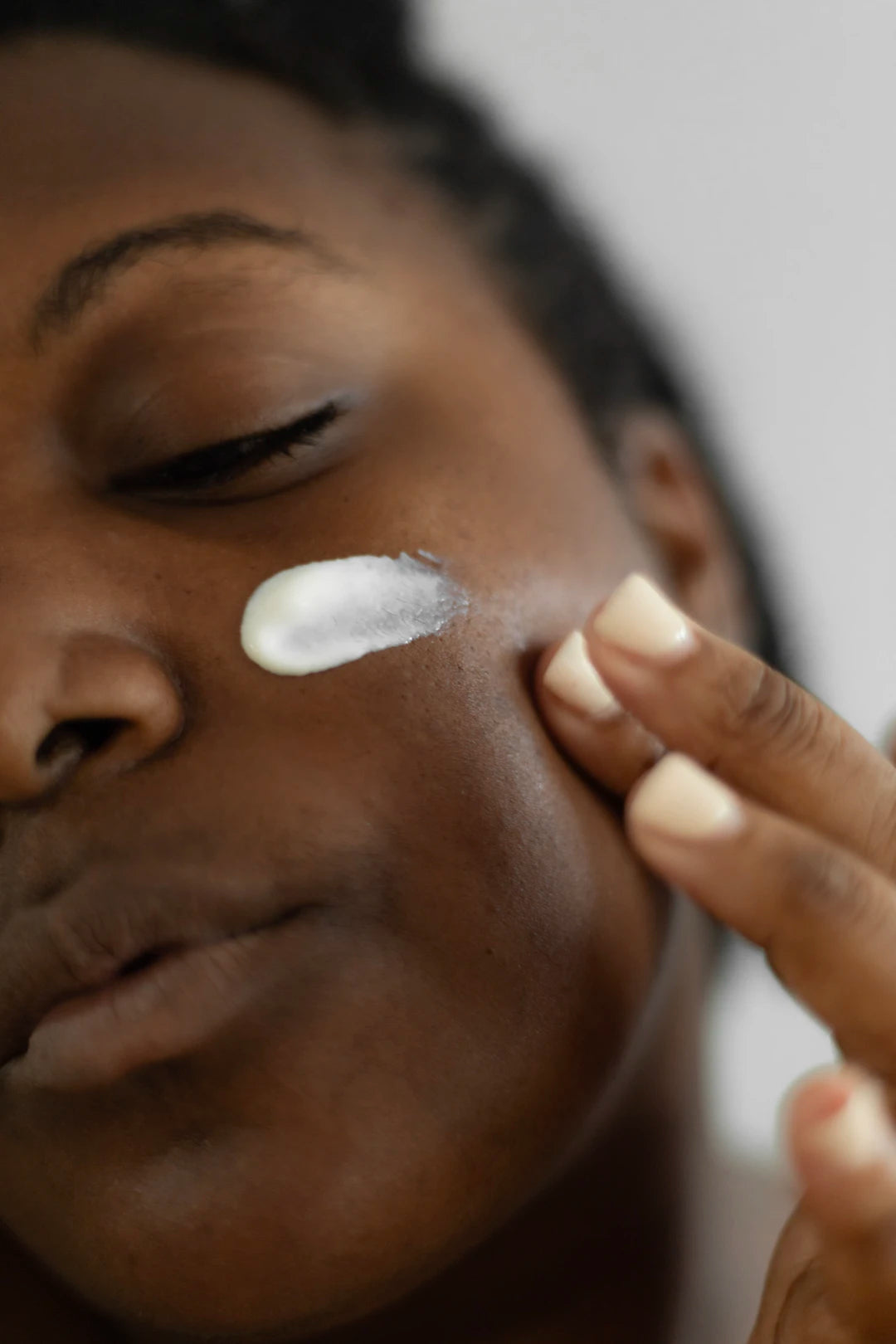
Look for lightweight, oil-free moisturizers that contain hydrating ingredients such as hyaluronic acid. These products help maintain hydration without adding excess oil, making them ideal for oily skin types.
Myth 6: You Only Need Sunscreen on Sunny Days
Many believe that sunscreen is only necessary on sunny days. However, UV rays can penetrate clouds and still reach your skin. This means you are at risk for sun damage even on overcast or rainy days.
Daily Sunscreen Application
Make it a habit to apply a broad-spectrum sunscreen every day, rain or shine. This habit is essential for antiaging and protecting your skin from harmful effects that can cause premature aging, like wrinkles and sunspots.
Myth 7: Drinking Water Prevents Dry Skin
While staying hydrated is undoubtedly essential for maintaining your overall health, drinking increased amounts of water won't necessarily translate to hydrated skin. Hydration primarily comes from the outside in, which means using moisturizing products is key for maintaining skin hydration.
Hydration from Within and Without
Incorporate hydrating serums, creams, and oils into your skincare routine. These products will help keep your skin plump and moisturized. Don’t forget that drinking water is crucial for your body’s functions but it’s not the sole answer to dry skin.
Myth 8: Wrinkles Are Inevitable with Aging
Many believe that wrinkles are an unavoidable part of aging, but that’s not quite true. While aging does affect our skin, the right skin care routine can greatly slow down the appearance of fine lines and wrinkles.
Embrace Preventative Care
Incorporate antiaging ingredients, such as retinol and peptides, into your daily routine. These ingredients can promote skin cell regeneration and collagen production, which can significantly improve the appearance of aging skin.
Myth 9: You Should Skip Skin Care If You’re Young
Another misconception is that young people don’t require a proper skincare routine. However, starting a consistent routine at a younger age can set a solid foundation for skin health in the future.
The Importance of Early Care
It’s best to begin with simple steps such as cleansing, moisturizing, and applying sunscreen. This proactive approach encourages a lifelong commitment to healthy skin, protecting against premature aging.
Myth 10: Makeup Can Cause Acne
While there are comedogenic products that can clog pores, the idea that all makeup causes acne is false. Many formulations are specifically designed to be non-acnegenic and are safe for all skin types, even sensitive skin.
Selecting Skin-Friendly Makeup
Read labels and choose makeup products labeled as "non-comedogenic" to minimize the risk of breakouts. Always remove makeup diligently at the end of the day using a gentle cleanser, which contributes to clear skin.
With countless skin care myths circulating today, it’s important to differentiate fact from fiction. Acknowledging what truly works can lead to healthier skin and more effective routines. By focusing on scientifically backed practices and safe product choices, such as innovative Micro Serums and tailored antiaging solutions, you can achieve your desired glow.
So, let’s embrace the truth and reclaim your skin’s potential with evidence-based practices, freeing ourselves from the binding myths. Your skin’s best days are just ahead! Keep exploring and experimenting, as the journey to flawless skin is a personal one filled with learning and growth.
Frequently Asked Questions
1. What is a common misconception about exfoliating?
2. Are natural ingredients always better for skin care?
3. Is it safe to use gradual tanning products?
4. Do people with oily skin need to use moisturizer?
5. Does drinking water prevent dry skin?
Glossary
| Term | Meaning |
|---|---|
| Exfoliation | Removing dead skin cells to promote renewal; should be done 1-2 times a week. |
| Natural Ingredients | Components derived from nature; not always safer or more effective than synthetic ones. |
| UV Rays | Sunlight radiation that can damage skin; protection is needed year-round. |
| Pore Strips | Products that remove surface dirt; not a long-term solution for clear skin. |
| Moisturizer | Hydrating product necessary for all skin types, including oily skin. |
| Broad-Spectrum Sunscreen | Protects against both UVA and UVB rays; essential for daily use. |
| Hydration | Moisture balance in skin; requires both internal (water) and external (products) sources. |
| Antiaging Ingredients | Components like retinol that help reduce signs of aging. |
| Non-Comedogenic | Makeup products designed not to clog pores, reducing acne risk. |
| Skin Care Routine | A consistent regimen of cleansing, moisturizing, and protecting skin. |
Linked Product

Micro Serum
The Micro Serum is an intensive treatment designed to support collagen and elastin restoration, helping to address signs of aging such as firmness, elasticity, tone, and texture. With a high concentration of proprietary peptides, it aims to enhance the overall appearance of the skin. This product can be beneficial for those looking to improve their skin's vitality and smoothness.
View Product