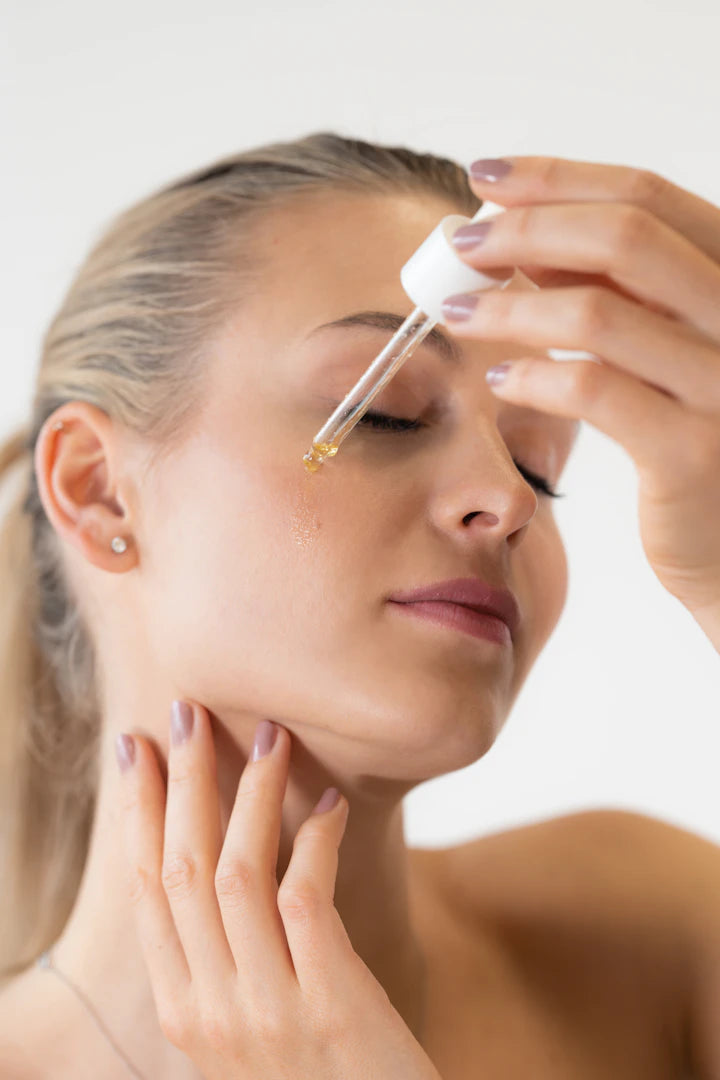
Exfoliation: Unlock Radiant Skin with the Right Routine
Overview
Exfoliation is crucial for healthy skin, promoting cell renewal, improving product absorption, unclogging pores, and evening skin tone. There are two main types: physical (scrubs, brushes) and chemical (AHAs, BHAs). Frequency varies by skin type: 1-2 times a week for dry/sensitive skin, 2-3 times for normal/combination skin, and 2-3 times for oily/acne-prone skin. Always follow up with moisturizer and sunscreen, and listen to your skin to avoid over-exfoliation. Incorporate exfoliation into your routine for optimal results and a radiant complexion.
Table of Contents
- Understanding Exfoliation
- Benefits of Exfoliation
- 1. Promotes Skin Renewal
- 2. Improves Absorption of Skincare Products
- 3. Unclogs Pores and Reduces Breakouts
- 4. Evens Skin Tone and Texture
- 5. Stimulates Blood Circulation
- Types of Exfoliation
- Physical Exfoliation
- Chemical Exfoliation
- How Often Should You Exfoliate?
- For Dry or Sensitive Skin
- For Normal to Combination Skin
- For Oily or Acne-Prone Skin
- Signs That You’re Over-Exfoliating
- Extra Tips to Enhance Your Exfoliation Routine
- Start Slowly
- Always Follow Up with Moisturizer
- Use Sunscreen
- Listen to Your Skin
- Incorporating Exfoliation into Your Skin Care Routine
- The Future of Your Radiant Skin Awaits!
Key Takeaways
- Exfoliation is essential for removing dead skin cells, promoting a smoother and brighter complexion.
- Regular exfoliation stimulates skin renewal, helping to reduce signs of aging.
- Improves product absorption by clearing dead skin, allowing serums and moisturizers to penetrate deeper.
- Helps prevent breakouts by unclogging pores and removing excess oil and impurities.
- Different types of exfoliation include physical (scrubs, brushes) and chemical (AHAs, BHAs), suitable for various skin types.
- Frequency of exfoliation should be tailored to skin type: 1-2 times a week for dry/sensitive, 2-3 times for normal/combination, and up to 3 times for oily/acne-prone skin.
- Post-exfoliation care is crucial; always follow up with moisturizer and sunscreen to protect your skin.
Exfoliation is a key component in any effective skin care routine. While many of us may be familiar with the term, not everyone understands why it's essential and how often one should engage in this practice. In this comprehensive guide, we will explore the importance of exfoliation, uncover the various techniques available, and offer insights into how to integrate it into your skin care regimen for optimal results. Let’s dive in!
Understanding Exfoliation
Exfoliation is the process of removing dead skin cells from the surface of your skin. This practice is vital for achieving a smoother, brighter, and more youthful complexion. Our skin continuously sheds dead cells, but when this process slows down, it can lead to clogged pores, dull skin, and other skin issues. By incorporating exfoliation into your skin care routine, you can help maintain healthy skin by promoting cell turnover.
Benefits of Exfoliation
There are numerous benefits to be gained from regular exfoliation. Let's take a closer look at some key advantages:
1. Promotes Skin Renewal
As we age, cell turnover slows down, leading to a build-up of dead skin cells on the surface. Exfoliation stimulates the growth of new skin cells, giving your complexion a fresh and healthy appearance. This renewal process can help reduce signs of aging.
2. Improves Absorption of Skincare Products
When dead skin cells sit on the surface, they can block the absorption of your favorite serums and moisturizers. By exfoliating regularly, you allow these products to penetrate deeper into your skin, maximizing their effectiveness.
3. Unclogs Pores and Reduces Breakouts
Exfoliation helps remove excess oil, dirt, and impurities that can clog pores and lead to breakouts. By keeping your pores clean, you reduce the likelihood of acne and related skin issues.
4. Evens Skin Tone and Texture
With consistent exfoliation, you can address uneven skin tone, dark spots, and textural irregularities. This process promotes an even and radiant complexion, enhancing your overall appearance.
5. Stimulates Blood Circulation
Gentle exfoliation can also stimulate blood circulation, promoting healthier skin. Better circulation means more oxygen and nutrients reaching your skin cells, contributing to a vibrant complexion.
Types of Exfoliation
Exfoliation can be broadly categorized into two types: physical and chemical. Each has its unique benefits and may be suitable for different skin types.
Physical Exfoliation
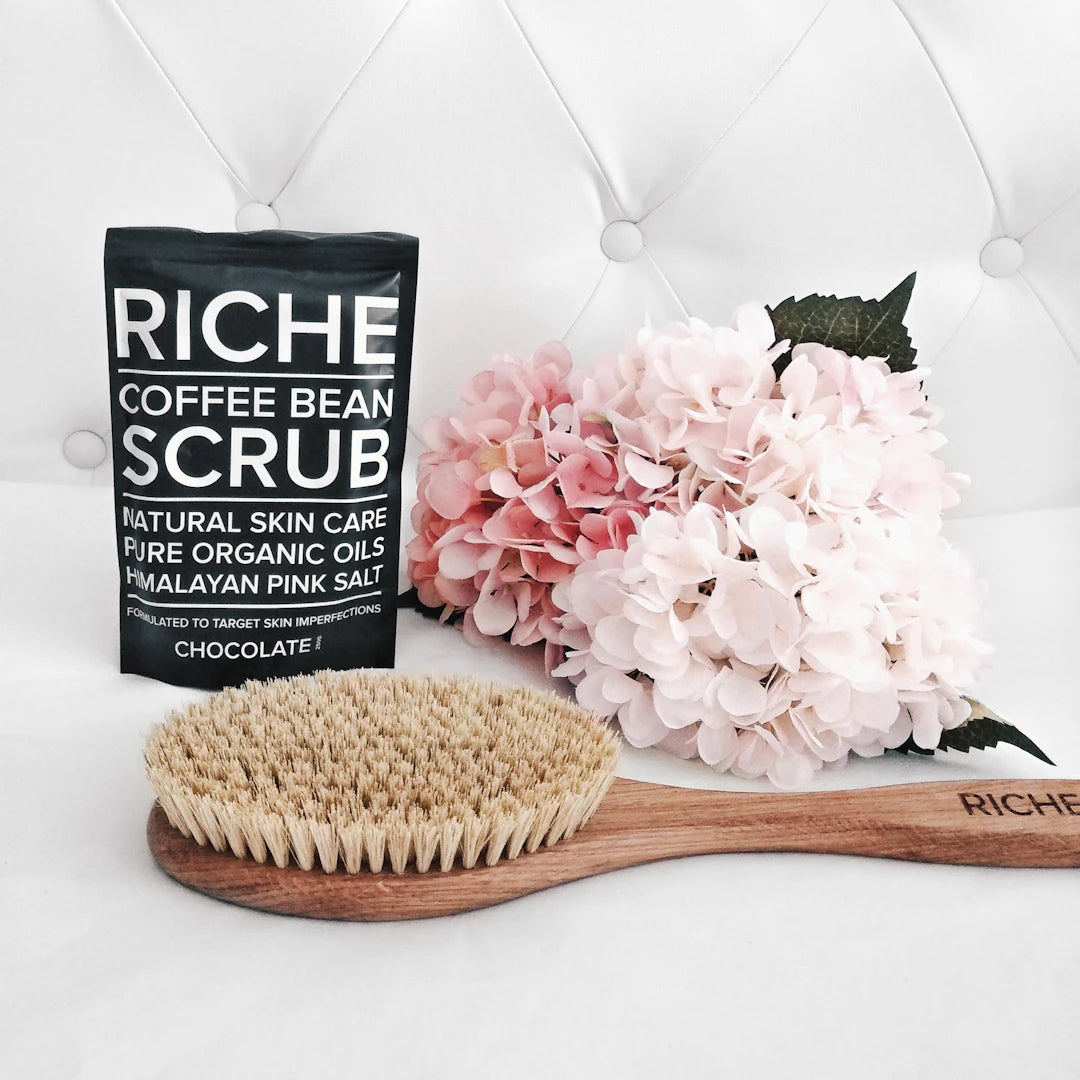
Physical exfoliation involves using a manual technique to remove dead skin cells. This can include scrubs, brushes, or natural exfoliants. When choosing physical exfoliants, it's important to select products that are gentle on your skin to avoid irritation.
- Scrubs: These consist of small granules that work to slough away dead skin. Look for scrubs with natural ingredients, as harsher scrubs can cause microtears in your skin.
- Exfoliating Brushes: Brushes or sponges can be used to manually exfoliate the skin. Choose one that suits your skin sensitivity level.
Chemical Exfoliation
Chemical exfoliation uses acids or enzymes to dissolve dead skin cells. This technique can be more effective for certain skin types, particularly sensitive skin. Common chemical exfoliants include alpha hydroxy acids (AHAs) and beta hydroxy acids (BHAs).
- AHAs: These water-soluble acids exfoliate the skin's surface. They are ideal for dry or sun-damaged skin, as they provide hydration and encourage cell renewal.
- BHAs: Oil-soluble, BHAs penetrate deep into the pores and are excellent for oily or acne-prone skin. They help to control excess oil and prevent breakouts.
How Often Should You Exfoliate?
Determining how often to exfoliate depends on your skin type, the type of exfoliation you choose, and your individual skin care routine. Here’s a helpful guideline:
For Dry or Sensitive Skin
If you have dry or sensitive skin, it's best to exfoliate gently 1 to 2 times per week using a mild physical scrub or AHA. Over-exfoliating can cause redness and irritation, so pay close attention to your skin's response.
For Normal to Combination Skin
Those with normal to combination skin can benefit from exfoliating 2 to 3 times per week. Alternating between a mild scrub and a gentle chemical exfoliant, like an AHA, can provide a balanced approach to skin care.
For Oily or Acne-Prone Skin
If your skin tends to be oily or prone to breakouts, you may choose to exfoliate 2 to 3 times per week using a BHA product. This will help manage excess oil and keep your pores clear.
Signs That You’re Over-Exfoliating
While exfoliation is beneficial, it's possible to do too much of a good thing. Here are some signs that you may be over-exfoliating:
- Redness and irritation
- Dry, flaky patches
- Increased sensitivity to products
- Breakouts or worsening skin conditions
Extra Tips to Enhance Your Exfoliation Routine
To ensure you’re getting the most out of your exfoliation routine, consider these helpful tips:
Start Slowly
If you’re new to exfoliation, start slow. Begin with once a week and gradually increase the frequency as your skin adjusts. This method helps avoid irritation.
Always Follow Up with Moisturizer
After exfoliating, apply a hydrating moisturizer to help restore your skin’s moisture barrier. This step is crucial in maintaining your skin’s health and preventing dryness.
Use Sunscreen
Exfoliated skin can be more sensitive to the sun. Be diligent about applying sunscreen daily, particularly after exfoliating. This protects your renewed skin from UV damage.
Listen to Your Skin
Your skin is unique, and what works for one person may not work for another. Pay attention to how your skin reacts and adjust your exfoliation frequency and method accordingly.
Incorporating Exfoliation into Your Skin Care Routine
To effectively integrate exfoliation into your skin care routine, follow these simple steps:
- Choose the right exfoliant for your skin type.
- Exfoliate on scheduled days—ideally, the same days each week to create a routine.
- Use gentle motions while applying your chosen exfoliant to avoid damaging your skin.
- Stay hydrated and nourish your skin with moisturizers post-exfoliation.
- Monitor your skin's response and adjust as needed.
The Future of Your Radiant Skin Awaits!
Now that you understand the importance of exfoliation and how to do it effectively, you are well on your way to achieving healthier, more vibrant skin. By adding this essential step into your skin care routine and adhering to the recommended guidelines, you can enjoy the various benefits it brings and maintain a healthy glow all year round. Remember, consistency is key—so stick with it, and you’ll surely reap the rewards!
Frequently Asked Questions
1. What is exfoliation and why is it important for skin care?
2. How often should I exfoliate my skin?
3. What are the two main types of exfoliation?
4. What are some signs that I might be over-exfoliating?
5. What should I do after exfoliating my skin?
Glossary
| Term | Meaning |
|---|---|
| Exfoliation | The process of removing dead skin cells to improve skin texture. |
| Cell Turnover | The natural shedding and renewal of skin cells over time. |
| Physical Exfoliation | Using scrubs or brushes to manually remove dead skin cells. |
| Chemical Exfoliation | Using acids or enzymes to dissolve dead skin cells. |
| AHAs | Alpha hydroxy acids that exfoliate the skin's surface. |
| BHAs | Beta hydroxy acids that penetrate pores and control oil. |
| Moisturizer | A product applied to hydrate and restore the skin's barrier. |
| Sunscreen | A protective product applied to shield skin from UV damage. |
| Over-Exfoliating | Excessive exfoliation leading to irritation and sensitivity. |
| Skin Sensitivity | Increased reactivity of skin to products and environmental factors. |
Linked Product

Microdermabrasion
Microdermabrasion offers an effective way to exfoliate the skin, utilizing bamboo beads to gently remove dead skin cells for a smoother complexion. Its formulation includes pumpkin extract and vitamins, which help soothe and repair the skin from free radical damage. This product can be paired with Beauty Oil and Laser Resurfacing for enhanced skin care results.
View Product