Essential Steps for Your Basic Skin Care Routine
Overview
A basic skincare routine is essential for healthy, radiant skin. Key steps include identifying your skin type, cleansing, exfoliating, toning, moisturizing, targeting specific concerns, and protecting against the sun. Consistency and tailored products are vital for achieving the best results.
Table of Contents
Key Takeaways
- Identify Your Skin Type: Determine if your skin is dry, oily, combination, or sensitive to choose appropriate products.
- Cleansing is Essential: Cleanse your skin twice daily with a gentle cleanser suited for your skin type.
- Exfoliate Weekly: Exfoliate one to two times a week using either physical or chemical exfoliants to remove dead skin cells.
- Use a Toner: Incorporate an alcohol-free toner to balance pH levels and enhance product absorption.
- Prioritize Hydration: Moisturize daily with products tailored to your skin type and consider adding a hydrating serum.
- Incorporate Targeted Treatments: Use serums or spot treatments for specific concerns like acne or wrinkles before moisturizing.
- Never Skip Sun Protection: Apply broad-spectrum sunscreen with at least SPF 30 daily and reapply every two hours when outdoors.
Taking care of your skin is more than a fleeting trend; it’s a commitment to your health and well-being. A basic skin care routine can significantly enhance your complexion, combat the signs of aging, and provide essential protection against environmental damage. Whether you’re a skincare novice or a seasoned enthusiast, understanding the fundamental steps of skin care is crucial. In this article, we’ll explore essential steps for a basic skin care routine that will keep your skin radiant and youthful, particularly focusing on sun protection for summer and anti-wrinkle strategies.
Understanding Your Skin Type
The first step in establishing a successful skin care routine is to identify your skin type. Knowing whether your skin is dry, oily, combination, or sensitive will direct you toward the products and treatments best suited for your needs. Here’s a quick guide to help you determine your skin type:
- Dry Skin: Often feels tight or flaky, especially after cleansing.
- Oily Skin: Appears shiny and may be prone to acne and clogged pores.
- Combination Skin: Displays traits of both dry and oily skin, with oiliness in the T-zone and dryness on the cheeks.
- Sensitive Skin: Prone to redness, irritation, and allergic reactions.
Once you’ve identified your skin type, you can choose skincare products that cater specifically to your skin’s needs, ensuring that each step of your routine is effective and beneficial.
Step 1: Cleansing
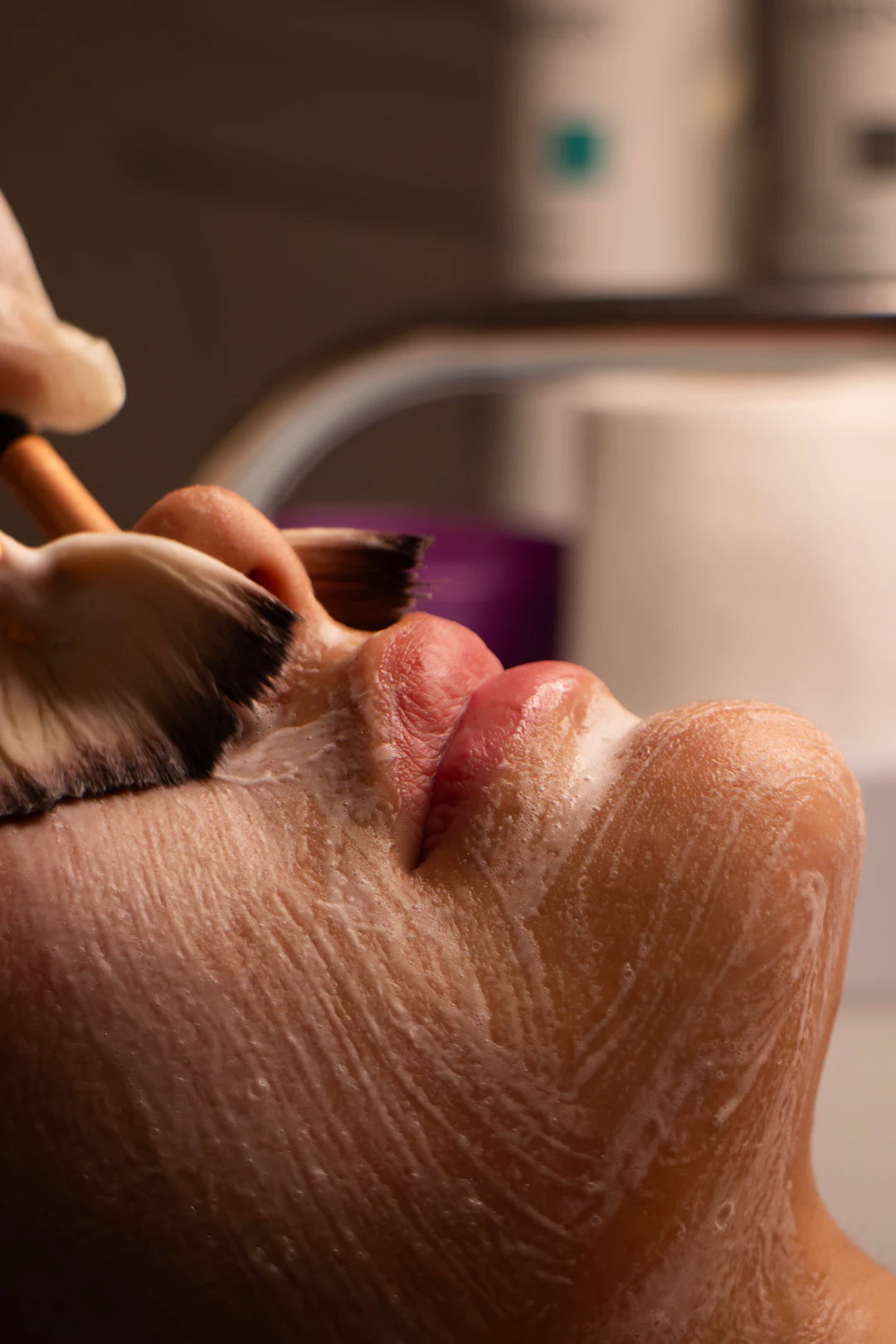
The foundation of any good skin care routine is cleansing. This vital step helps eliminate dirt, oil, and impurities that accumulate throughout the day. Choosing a gentle cleanser suited to your skin type is essential. Here are some tips for effective cleansing:
- Cleansing twice a day, in the morning and evening, helps maintain clean skin.
- Use lukewarm water to avoid stripping your skin of its natural oils.
- Apply the cleanser in circular motions to promote blood circulation.
For those with oily skin, looking for a foaming cleanser can help control excess oil. Alternatively, creamy cleansers are ideal for dry skin, as they hydrate while cleansing. No matter your preference, a quality cleanser is an indispensable part of your routine.
Step 2: Exfoliation
Exfoliating your skin one to two times per week helps remove dead skin cells, promotes cell renewal, and reveals a brighter complexion. There are two main types of exfoliants: physical and chemical. Consider the following:
Physical Exfoliants
These exfoliants contain small particles that physically scrub away dead skin. While they can be effective, they should be used gently to avoid irritation. Look for options that are designed for your specific skin type, especially if your skin is sensitive.
Chemical Exfoliants
Chemical exfoliants utilize acids such as alpha hydroxy acids (AHAs) or beta hydroxy acids (BHAs) to dissolve dead skin cells. They can be particularly beneficial for oily or acne-prone skin. Always perform a patch test when trying a new product and introduce it gradually into your routine.
Step 3: Toning
Toning is often an overlooked step in skin care, but it plays a significant role in balancing the skin's pH levels after cleansing. A good toner can tighten pores, remove any remaining impurities, and prep your skin for better absorption of subsequent products. When selecting a toner, consider these aspects:
- Look for alcohol-free formulas to avoid drying out your skin.
- Choose toners infused with botanical extracts, which can provide additional benefits.
Using a toner can enhance the overall effectiveness of your skin care routine, making your other products work even better.
Step 4: Hydration
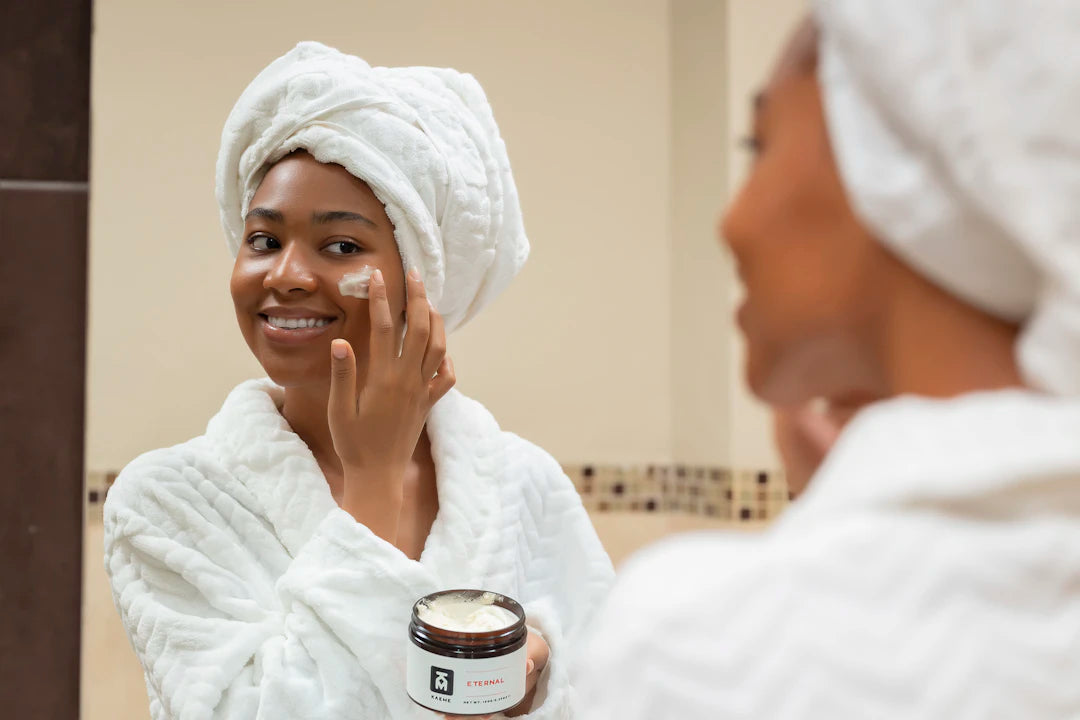
Moisturizing your skin is vital, regardless of your skin type. Hydration helps to maintain the skin's barrier and prevent moisture loss. For optimal hydration:
- Select a moisturizer formulated for your specific skin needs—lightweight gels for oily skin and richer creams for dry skin.
- Apply the moisturizer while your skin is still damp to lock in moisture.
- Consider incorporating a hydrating serum for an added boost.
Remember to pay special attention to specific areas frequently overlooked, such as the neck and décolletage, as these areas can show signs of aging as well.
Step 5: Targeting Concerns
Many individuals have specific skin concerns such as acne, hyperpigmentation, or wrinkles. This step allows you to incorporate targeted treatments, like serums or spot treatments, into your routine. When choosing products, consider:
- For anti-wrinkle treatments: Look for active ingredients like retinoids, which are renowned for their anti-aging properties.
- If you have hyperpigmentation: Products with vitamin C can help brighten and even out your skin tone.
- For oily or acne-prone skin: Incorporate salicylic acid or niacinamide to manage breakouts.
Applying these treatments before your moisturizer can help them penetrate more deeply and effectively.
Step 6: Sun Protection
No skin care routine is complete without sun protection, especially for summer. UV rays can severely damage your skin, leading to premature aging, hyperpigmentation, and even skin cancer. Here’s how to effectively protect your skin:
- Always use a broad-spectrum sunscreen with an SPF of at least 30.
- Reapply sunscreen every two hours when outdoors, and even more frequently if you're swimming or sweating.
- Consider wearing protective clothing and seeking shade during peak sun hours.
Integrating sun protection for summer not only helps maintain your skin's health but also enhances your overall skin care efforts. Remember, consistent sunscreen application can reduce the risk of wrinkles and other signs of aging.
Step 7: Night Care
Your skin's nightly recovery is just as important as its daytime protection. When you sleep, your skin enters repair mode, making nighttime the perfect opportunity to nourish it. Here’s how to enhance your evening routine:
- Cleanse thoroughly to remove all traces of makeup and impurities.
- Incorporate a thicker night cream or overnight mask designed to rejuvenate the skin.
- Add a nourishing oil to lock in moisture and enhance skin repair.
By focusing on nighttime repairs, you can wake up with refreshed and glowing skin ready to face the day.
Stay Consistent for Best Results
Creating and maintaining a basic skincare routine requires commitment, but the results are well worth it. It’s essential to be patient as your skin adjusts to new products and methods. Consistency is key! In addition, monitor your skin’s response to products; if irritation occurs, discontinue use and consult a skin care professional for advice.
Final Thoughts: Your Glow Awaits
By following these essential steps in a basic skin care routine, you’ll be well on your way to achieving healthy and radiant skin. Remember to cater each step to your unique skin type and concerns, maintain regular sun protection for summer, and incorporate anti-wrinkle strategies where needed. With dedication and the right approach, your skin can truly glow. So, embark on your skin care journey today, and watch as your skin transforms into a vibrant and youthful canvas. Your journey to beautiful skin is just a routine away!
Frequently Asked Questions
1. What is the importance of a basic skin care routine?
2. How can I determine my skin type?
3. What are the essential steps in a skin care routine?
4. Why is sun protection crucial in a skin care routine?
5. How often should I exfoliate my skin?
Glossary
| Term | Meaning |
|---|---|
| Skin Type | The classification of skin based on its characteristics (dry, oily, combination, sensitive). |
| Cleansing | The process of removing dirt and impurities from the skin. |
| Exfoliation | The removal of dead skin cells to promote a brighter complexion. |
| Toning | A step to balance skin's pH and prepare it for better absorption of products. |
| Moisturizing | The application of products to hydrate and protect the skin barrier. |
| Targeting Concerns | Using specific treatments for issues like acne or wrinkles. |
| Sun Protection | Using sunscreen to shield skin from harmful UV rays. |
| Night Care | Special routines performed at night to repair and nourish the skin. |
| Active Ingredients | Components in skincare products that provide specific benefits. |
Linked Product

Hydrate & Protect Bundle
The Hydrate & Protect Bundle combines the Water Molecule hyaluronic acid serum with EltaMD UV Clear Broad-Spectrum SPF 46 for effective summer skincare. This duo replenishes moisture while providing lightweight sun protection, making it suitable for sensitive and acne-prone skin. Together, they help defend against UV rays and dehydration, keeping your skin healthy and radiant during the summer months.
View Product