Mastering Oily and Acne-Prone Skin: Effective Tips
Overview
Managing oily and acne-prone skin can be simplified with the right skincare routine. Key tips include: cleanse with a gentle foaming cleanser, use lightweight oil-free moisturizers, apply sunscreen daily, exfoliate gently 1-2 times a week, and consider dietary adjustments to reduce breakouts. Stay consistent, manage stress, and consult a dermatologist if needed for optimal results.
Table of Contents
- Understanding Oily and Acne-Prone Skin
- The Importance of a Skincare Routine
- Cleansing Your Skin Properly
- Using Deep Cleansing Peel Pads
- Moisturizing Is Essential
- Sunscreen: Your Daily Shield
- Exfoliate Regularly but Gently
- Managing Breakouts Effectively
- Adjusting Your Diet
- Consider Your Lifestyle Choices
- Consult a Dermatologist
- Skincare Myths Debunked
- Putting It All Together
- An Oily Skin Path to Radiance
Key Takeaways
- Understand Oily Skin: Oily skin is caused by excess sebum production, often exacerbated by dead skin cells, bacteria, and hormonal changes.
- Establish a Skincare Routine: A consistent regimen that includes cleansing, moisturizing, and sun protection is essential for managing oily and acne-prone skin.
- Choose the Right Cleanser: Use gentle, foaming cleansers with salicylic acid or tea tree oil to effectively dissolve excess oil.
- Incorporate Exfoliation: Gently exfoliate 1-2 times a week with products containing salicylic or glycolic acid to prevent clogged pores.
- Diet Matters: Increase omega-3 fatty acids, limit high glycemic index foods, and consume plenty of fruits and vegetables to support skin health.
- Stay Hydrated: Drinking water helps maintain skin hydration and balance oil production.
- Consult a Dermatologist: If over-the-counter products aren't effective, seek professional advice for tailored treatments.
Managing oily or acne-prone skin can be a daunting task, but with the right knowledge and techniques, you can achieve a clear and radiant complexion. In this comprehensive guide, we will provide you with essential tips that will not only help you control oil production but also combat breakouts effectively. Let's dive into the tips for maintaining healthy skin and explore how you can optimize your skincare routine with minimal hassle.
Understanding Oily and Acne-Prone Skin
Before we tackle the solutions, it’s crucial to understand what causes oily and acne-prone skin. This skin type often results from an overproduction of sebum, the natural oil produced by our skin. When combined with dead skin cells, bacteria, and environmental pollutants, it leads to clogged pores and, ultimately, acne. Additionally, hormonal changes, stress, and diet can play a significant role in exacerbating these skin issues.
The Importance of a Skincare Routine
Establishing a consistent skincare routine targeted towards oily or acne-prone skin is vital. A well-planned regimen will help cleanse, treat, and protect your skin effectively. Here are crucial steps to include in your daily routine:
Cleansing Your Skin Properly
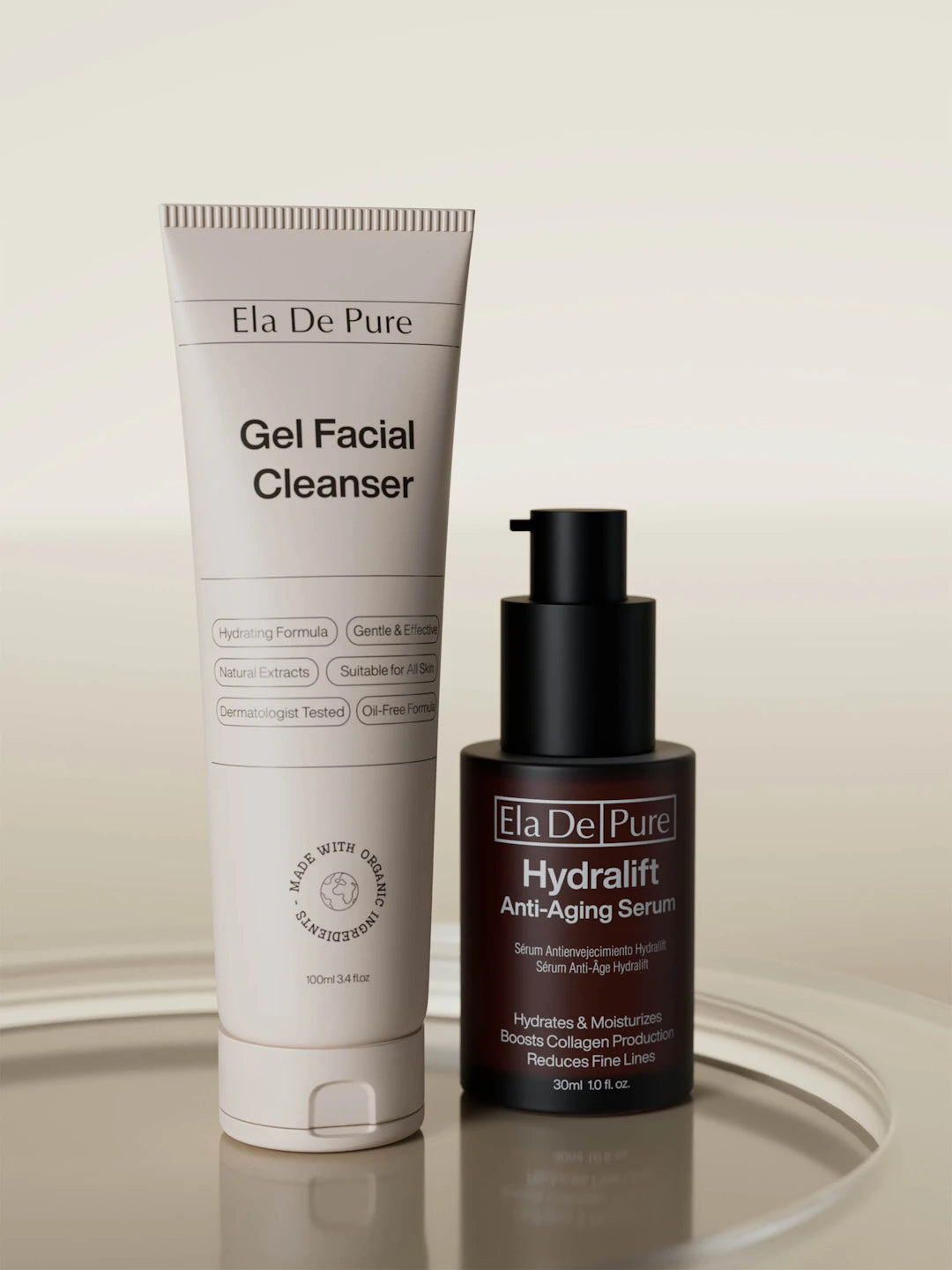
The foundation of any skincare routine is cleansing. For oily skin, it’s important to use a gentle, foaming cleanser that can help dissolve excess oil without stripping your skin’s natural moisture. Look for cleansers that contain salicylic acid or tea tree oil, known for their acne-fighting properties.
Using Deep Cleansing Peel Pads
Incorporating deep cleansing peel pads into your routine can provide an extra boost in managing oil and preventing acne breakouts. These pads typically contain exfoliating acids that help remove dead skin cells and unclog pores, promoting a smoother skin texture. Use them a few times a week to keep your skin fresh and rejuvenated.
Moisturizing Is Essential
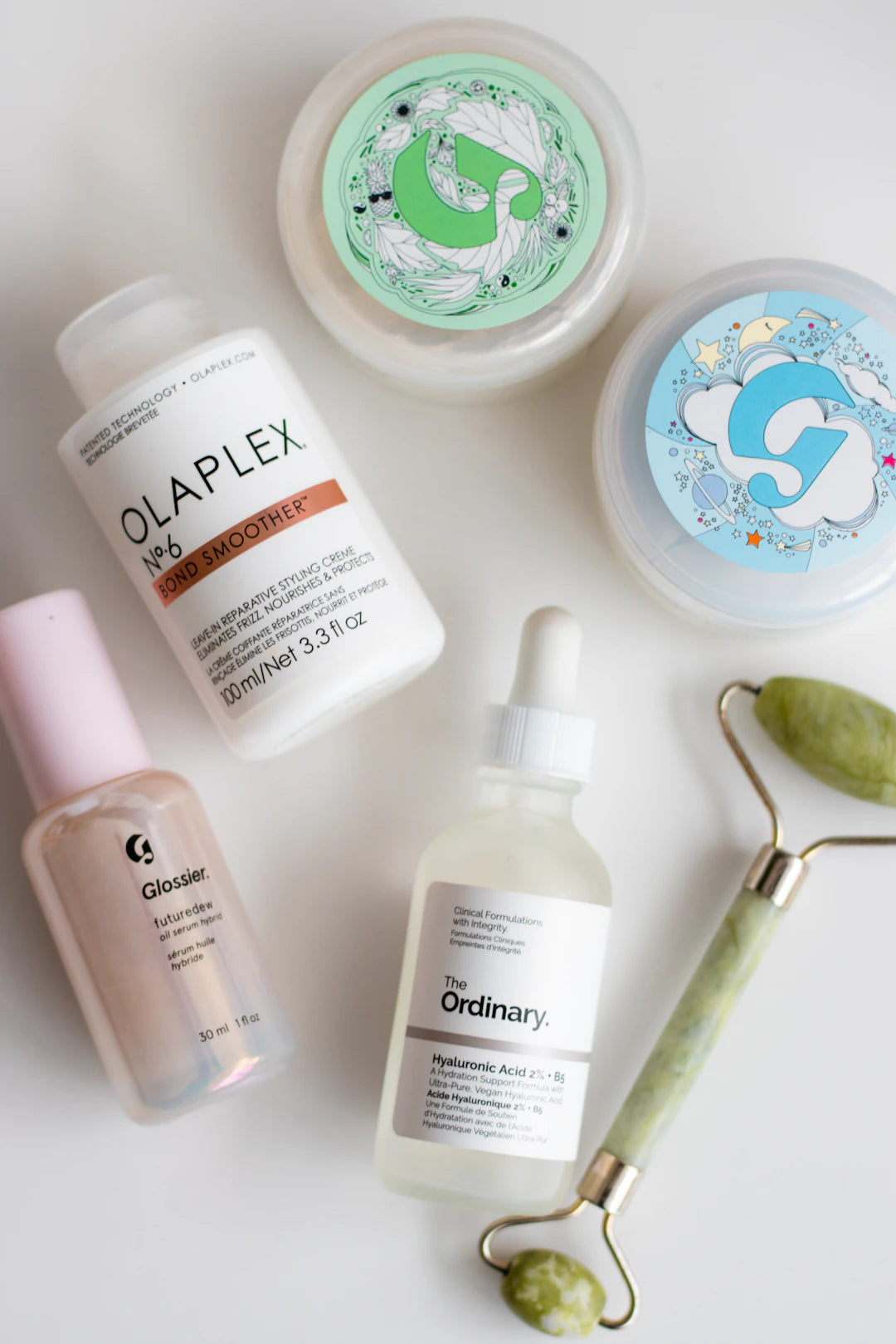
Even if you have oily skin, don't skip moisturizer! Choosing the right formula can make all the difference. Opt for lightweight, oil-free moisturizers that hydrate without contributing to excess shine. Look for ingredients like hyaluronic acid, which can offer hydration without the heavy feel.
Sunscreen: Your Daily Shield
Sun protection is crucial for all skin types, especially if you're using products that may increase sun sensitivity, such as acids in infinity with your anti wrinkles goals. Always apply a broad-spectrum sunscreen with at least SPF 30 daily, even on cloudy days. Lightweight gel-based sunscreens work great for oily skin types.
Exfoliate Regularly but Gently
Exfoliation can aid in removing dead skin cells and preventing clogged pores, essential for managing oily skin. However, over-exfoliation can irritate and potentially worsen conditions like acne. Aim for gentle exfoliation 1-2 times per week using products formulated for oily skin, ideally containing salicylic acid or glycolic acid, which can penetrate oil and help clear out pores.
Managing Breakouts Effectively
When breakouts occur, it’s crucial to act promptly. Here are some strategies to help control acne more effectively:
- Spot Treatments: Look for products with benzoyl peroxide or salicylic acid, which can target individual pimples without affecting the surrounding skin.
- Avoid Popping: As tempting as it may be, avoid popping pimples; this can lead to inflammation, scarring, and spreading bacteria.
- Stay Hydrated: Drinking plenty of water helps keep your skin hydrated from the inside out, which can help maintain oil balance.
Adjusting Your Diet
While skincare products are important, what you eat also affects your skin. Some foods can trigger breakouts, while others can promote clearer skin. Here are some dietary tips to consider:
- Increase Omega-3 Fatty Acids: Foods rich in omega-3 fatty acids, like walnuts and fatty fish, can help reduce inflammation.
- Avoid High Glycemic Index Foods: Foods that spike your blood sugar can lead to increased oil production. Try to limit sugary snacks and white bread.
- Eat Plenty of Fruits and Vegetables: Antioxidant-rich foods can help combat oxidative stress on your skin.
Consider Your Lifestyle Choices
Your lifestyle can significantly impact your skin health. Stress management and adequate sleep are essential components of maintaining a glowing complexion. Aim for 7-9 hours of sleep each night and consider integrating stress-reduction techniques like yoga or meditation into your routine.
Consult a Dermatologist
If you find that over-the-counter products aren’t delivering the desired results, it may be time to consult a dermatologist. They can assess your skin condition and recommend suitable treatments, including topical prescriptions or professional treatments to help you achieve your skincare goals faster.
Skincare Myths Debunked
There's a lot of misinformation about oily and acne-prone skin. Here are some myths you can discard when establishing your routine:
- Myth 1: If your skin is oily, you shouldn’t use moisturizer. This is untrue; a suitable moisturizer can help balance oil production.
- Myth 2: Tanning will clear up acne. While it may temporarily darken spots, it can lead to greater skin issues in the long run.
- Myth 3: Scrubbing your skin will eliminate oil. This can actually irritate your skin and increase oil production.
Putting It All Together
Now that you have a robust toolkit for managing oily and acne-prone skin, it's time to create a personalized skincare regime that works for you. Remember that consistency is key; the right products and habits will help you achieve clearer skin over time. By understanding the importance of cleansing, moisturizing, exfoliating, and managing your lifestyle and diet, you can regain control over your skin’s health and appearance.
An Oily Skin Path to Radiance
With the right approach, managing oily and acne-prone skin doesn’t have to be an uphill battle. Embracing an effective skincare routine and lifestyle adjustments will put you well on your way to achieving that radiant, healthy glow. Stay consistent with your regimen, and don't hesitate to seek professional advice if needed. Here’s to your journey towards clear and luminous skin!
Frequently Asked Questions
1. What causes oily and acne-prone skin?
2. What type of cleanser should I use for oily skin?
3. Is it necessary to moisturize oily skin?
4. How often should I exfoliate oily skin?
5. When should I consult a dermatologist for my skin concerns?
Glossary
| Term | Meaning |
|---|---|
| Oily Skin | Skin type characterized by excess sebum production. |
| Acne-Prone Skin | Skin that is susceptible to breakouts and blemishes. |
| Sebum | Natural oil produced by the skin that can lead to clogged pores. |
| Cleansing | The process of removing dirt and excess oil from the skin. |
| Exfoliation | Removal of dead skin cells to prevent clogged pores. |
| Spot Treatment | Targeted application of products to treat individual pimples. |
| Moisturizer | Product that hydrates skin, even for oily types. |
| Sunscreen | Protection against UV rays, essential for all skin types. |
| Dietary Adjustments | Changes in food intake to improve skin health. |
| Dermatologist | Skin specialist who can provide advanced skincare solutions. |
Linked Product

Chemical Peel
The Chemical Peel provides an at-home solution for managing oily and acne-prone skin through a blend of salicylic and glycolic acid. These pads work to deeply cleanse and exfoliate, helping to refine pores and promote natural cell turnover. Regular use may lead to smoother, more radiant skin while effectively targeting blemishes.
View Product