The Role of Diet in Skin Health: Nourish from Within
Overview
Eating a balanced diet rich in vitamins A, C, E, omega-3 fatty acids, and antioxidants is crucial for healthy, glowing skin. Avoid high sugar and processed foods that can harm your skin. Hydration is key, along with incorporating superfoods like avocados, dark chocolate, and green tea. Understanding your skin type can help tailor your diet for better results. Combine dietary efforts with a skincare routine for optimal results.
Table of Contents
- The Skin's Role as a Barrier
- Nutrients That Support Skin Health
- Vitamins A, C, and E
- Omega-3 Fatty Acids
- Antioxidants
- The Impact of Sugar and Processed Foods
- How Sugar Affects Skin
- The Dangers of Processed Foods
- The Beauty of Hydration
- How Much Water Should You Drink?
- Superfoods for Skin Health
- Avocado
- Dark Chocolate
- Green Tea
- The Connection Between Gut Health and Skin
- Probiotics and Prebiotics
- Avoiding Antibiotics
- Eating for Your Skin Type
- Oily Skin
- Dry Skin
- Acne-Prone Skin
- Combining Diet with Skincare
- Why Use Beauty Oils?
- Choosing the Right Beauty Oil
- Unlocking Your Skin’s Potential
Key Takeaways
- Diet Influences Skin Health: A balanced diet rich in specific nutrients is crucial for maintaining healthy skin.
- Essential Nutrients: Vitamins A, C, E, omega-3 fatty acids, and antioxidants play significant roles in skin repair and protection.
- Avoid Sugar and Processed Foods: High sugar intake and processed foods can lead to skin issues like acne and premature aging.
- Hydration is Key: Drinking adequate water and consuming hydrating foods helps maintain skin moisture and elasticity.
- Superfoods for Radiance: Incorporate superfoods like avocados, dark chocolate, and green tea to enhance skin health.
- Gut Health Matters: A healthy gut flora supports skin health; include probiotics and prebiotics in your diet.
- Combine Diet with Skincare: Use beauty oils to complement your diet and skincare routine for optimal results.
When it comes to achieving radiant, glowing skin, most people instinctively reach for beauty products, creams, and lotions. However, there's a crucial factor that often gets overlooked: diet. The food you consume plays a pivotal role in your skin's health. Your skin reflects your overall health, and when you nourish your body with wholesome foods, you can enhance your natural beauty and support your skincare routine. Let's delve deeper into the connection between diet and skin health, and discover how to achieve that enviable glow from the inside out.
The Skin's Role as a Barrier
Your skin is not just a protective layer; it’s a living organ that interacts with your environment and plays a vital role in your body's health. The outermost layer of the skin, the epidermis, helps to prevent moisture loss while acting as a barrier against harmful external factors like bacteria, pollution, and UV rays. To maintain this barrier, it requires a steady supply of essential nutrients.
Nutrients That Support Skin Health
Just as you need a balanced diet for overall health, your skin requires specific nutrients to thrive. These nutrients serve various functions, from promoting cell turnover to protecting against oxidative stress. Here are some key players in the quest for healthy skin:
Vitamins A, C, and E
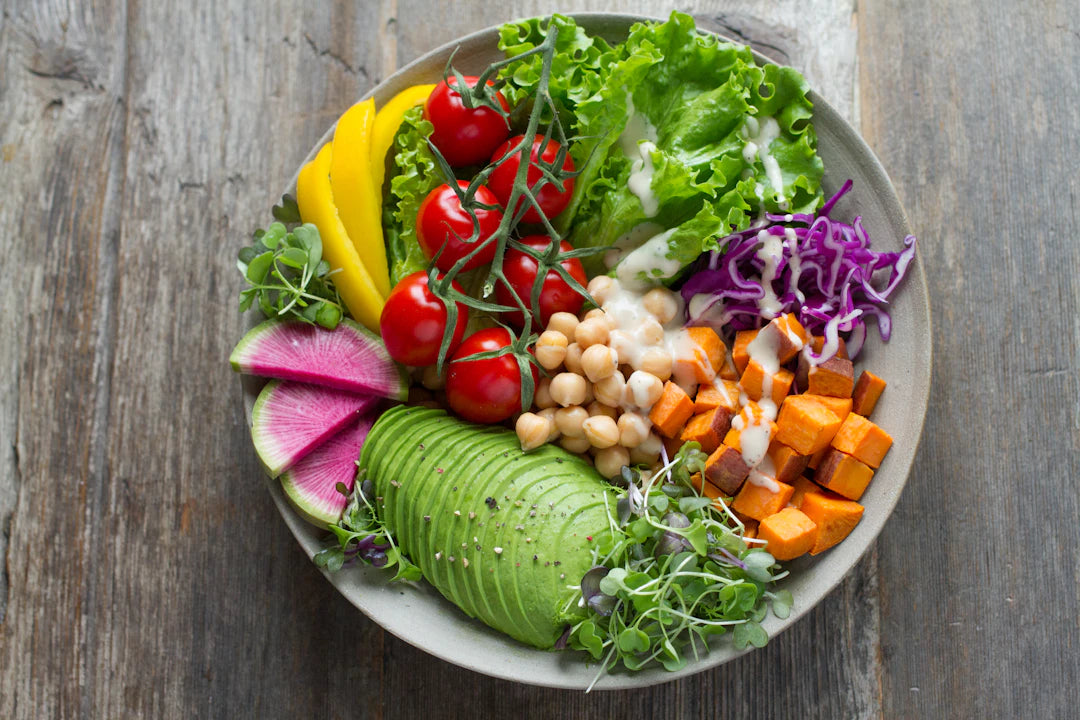
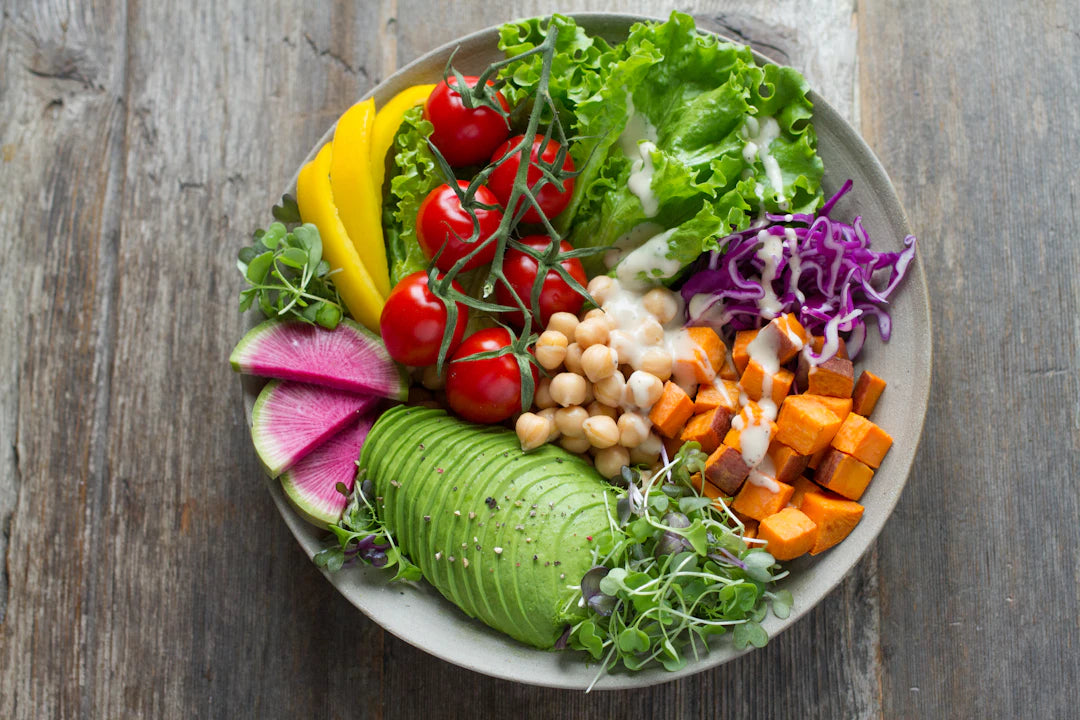
- Vitamin A: This vitamin is vital for skin repair. It promotes cell turnover, helping to keep the skin smooth and vibrant. Foods rich in vitamin A include sweet potatoes, carrots, and dark leafy greens.
- Vitamin C: Known for its antioxidant properties, vitamin C combats free radicals, which can lead to premature aging. Citrus fruits, strawberries, and bell peppers are fantastic sources.
- Vitamin E: This nutrient aids in protecting skin cells from oxidative damage and supports skin hydration. Good sources of vitamin E include nuts, seeds, and green leafy vegetables.
Omega-3 Fatty Acids
Omega-3 fatty acids are essential for maintaining the skin’s lipid barrier. They help to keep the skin hydrated, reducing inflammation, and are known for their ability to combat skin conditions such as eczema and psoriasis. Foods high in omega-3s include fatty fish (like salmon and sardines), chia seeds, and walnuts.
Antioxidants
Antioxidants are your skin’s best friend. They protect skin cells from damage caused by free radicals, which can stem from pollution and sun exposure. Incorporating a variety of colorful fruits and vegetables into your diet is crucial, as they are packed with antioxidants. Think berries, tomatoes, and green tea.
The Impact of Sugar and Processed Foods
While there are many foods that can enhance skin health, it’s equally important to be aware of what to avoid. High sugar intake and processed foods can contribute to skin problems such as acne, premature aging, and a dull complexion.
How Sugar Affects Skin
When you consume sugar, it undergoes a process called glycation, where sugar molecules attach to proteins in your body, including collagen and elastin in the skin. This process can lead to stiffness and loss of elasticity, making the skin look aged and less vibrant. Reducing your sugar intake can lead to improvements in skin texture and overall appearance.
The Dangers of Processed Foods
Processed foods are often high in unhealthy fats, sugars, and preservatives. These ingredients can trigger inflammation within the body, potentially leading to conditions like acne or rosacea. Opting for whole, unprocessed foods can help maintain a clearer, healthier complexion.
The Beauty of Hydration
Staying hydrated is crucial for skin health. Water helps to keep skin cells plump and hydrated, reducing the appearance of fine lines and creating a more youthful glow. Dehydration can lead to dry, flaky skin and exacerbate existing skin conditions.
How Much Water Should You Drink?
The amount of water you need can depend on various factors such as age, sex, activity level, and climate. A general guideline is to drink at least 8 glasses of water per day, but listening to your body and adjusting based on your individual needs is essential. In addition to plain water, you can hydrate your skin with foods high in water content, such as cucumbers, watermelon, and oranges.
Superfoods for Skin Health
Incorporating superfoods into your diet can supercharge your skin health. These nutrient-dense foods offer a plethora of benefits that can enhance your beauty arsenal. Here are some superfoods you might consider incorporating:
Avocado
Rich in healthy fats and vitamins E and C, avocados not only provide essential nutrients for your skin but also help with hydration. Their antioxidant properties can combat oxidative stress, leaving your skin looking youthful and radiant.
Dark Chocolate
If you need an excuse to indulge, dark chocolate can be your friend! Containing high levels of flavonoids, dark chocolate can improve hydration and blood flow to the skin, promoting a healthy appearance. Make sure to choose quality dark chocolate with at least 70% cacao and consume in moderation.
Green Tea
Green tea is packed with antioxidants known as catechins, which can improve skin hydration and protect against sun damage. Drinking green tea regularly can contribute to a healthy complexion and can even enhance the effectiveness of your skincare products.
The Connection Between Gut Health and Skin
Recent studies have shown a strong connection between gut health and skin health. A healthy gut flora can reduce inflammation and support the skin's barrier function. Here are some simple ways to promote gut health for better skin:
Probiotics and Prebiotics
Incorporating probiotics (beneficial bacteria) can help balance your gut flora. Foods like yogurt, kimchi, and sauerkraut are excellent sources. Prebiotics, found in foods like garlic, onions, and bananas, support the growth of these good bacteria.
Avoiding Antibiotics
While antibiotics are necessary for treating bacterial infections, they can also disrupt the balance of your gut flora. Whenever possible, focus on natural remedies and only use antibiotics when prescribed by a healthcare professional.
Eating for Your Skin Type
Your skin type can greatly influence your dietary choices. Here’s how to tailor your diet based on your skin’s needs:
Oily Skin
If you have oily skin, consider incorporating foods that are rich in antioxidants and omega-3 fatty acids, as they can help reduce inflammation and manage oil production. Focus on fruits, vegetables, and fatty fish.
Dry Skin
For dry skin, foods rich in healthy fats, vitamins A and E, and adequate hydration are essential. Avocados, nuts, and seeds can provide the necessary nutrients, while adequate water intake keeps your skin moisturized.
Acne-Prone Skin
If you struggle with acne, focus on reducing sugar and processed foods, while increasing your intake of omega-3 fatty acids and antioxidants. A diet rich in whole, unprocessed foods can help maintain clear skin.
Combining Diet with Skincare
No matter how healthy your diet is, it's essential to support your skincare routine as well. A great way to bridge the gap between what you eat and your topical skincare is through the use of beauty oils. Beauty oils can provide additional nourishment and hydration, enhancing your skin’s appearance and complementing your dietary efforts.
Why Use Beauty Oils?
- Hydration: Beauty oils can provide an extra layer of moisture, helping to seal in hydration.
- Protection: They can create a protective barrier against environmental stressors.
- Nourishment: Many beauty oils are rich in vitamins and fatty acids, providing additional nutrients directly to the skin.
Choosing the Right Beauty Oil
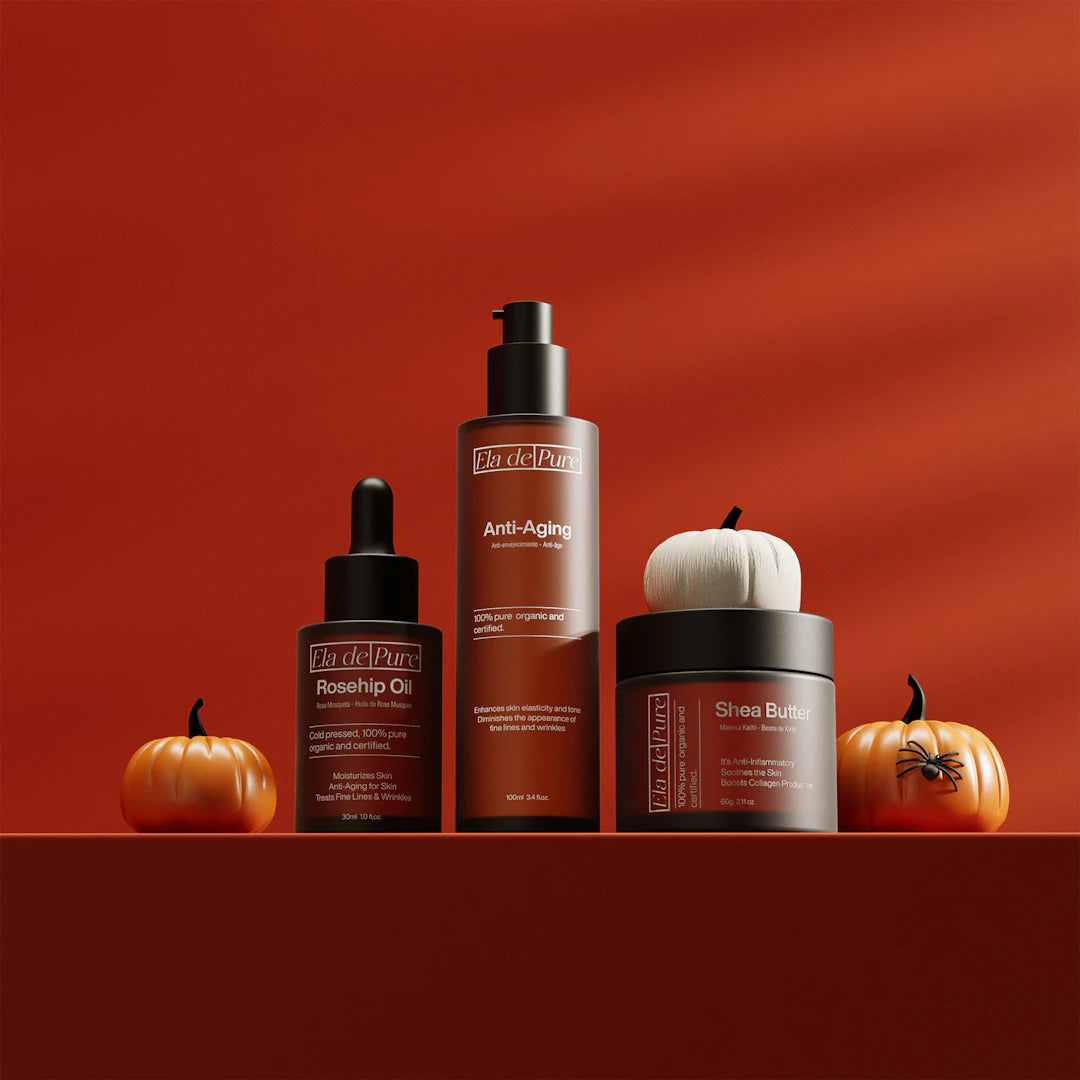
When selecting a beauty oil, consider your skin type and what you want to achieve. For example, jojoba oil is great for oily skin because it mimics the skin's natural sebum, while rosehip oil is excellent for dry or mature skin thanks to its high concentration of vitamins and antioxidants.
Unlocking Your Skin’s Potential
With a holistic approach that includes a nutrient-dense diet and a thoughtful skincare regimen, you can unlock your skin's full potential. Remember that consistency is key. Just like a healthy diet, the benefits of a skincare routine take time to show. Give your body the nutrition it craves, and in return, it will reward you with a glowing complexion that radiates health and vitality.
Take the steps today to nourish not just your skin but your whole being. Your body—and your reflection—will thank you!
Frequently Asked Questions
1. How does diet affect skin health?
2. What vitamins are important for healthy skin?
3. What are some foods to avoid for better skin?
4. How important is hydration for skin health?
5. What are superfoods that can benefit skin health?
Glossary
| Term | Meaning |
|---|---|
| Diet | The food and drink consumed by an individual, impacting overall health and skin condition. |
| Vitamins | Essential nutrients that support various bodily functions, including skin health. |
| Omega-3 Fatty Acids | Healthy fats that maintain skin hydration and reduce inflammation. |
| Antioxidants | Compounds that protect skin cells from damage caused by free radicals. |
| Hydration | The process of maintaining adequate water levels in the body for optimal skin health. |
| Probiotics | Beneficial bacteria that support gut health and can improve skin condition. |
| Processed Foods | Foods that are altered from their natural state, often unhealthy and linked to skin issues. |
| Beauty Oils | Oils used in skincare to provide hydration and nourishment to the skin. |
| Glycation | A process where sugar molecules damage proteins like collagen, affecting skin elasticity. |
| Superfoods | Nutrient-dense foods that offer significant health benefits, including for the skin. |
Linked Product

Beauty Oil
The Beauty Oil features a blend of antioxidant-rich moringa and sacha oils that hydrate, repair, and renew the skin while remaining non-comedogenic. This product is designed to help combat premature aging, fine lines, and wrinkles, promoting a revitalized and radiant complexion. It can be effectively paired with microdermabrasion for enhanced results.
View Product