The Secret Ingredient: Diet for Radiant Skin Health
Overview
Diet plays a crucial role in skin health, influencing elasticity, moisture, and the appearance of fine lines. Key nutrients like vitamins A, C, E, omega-3 fatty acids, and antioxidants from foods such as berries, fatty fish, and green leafy vegetables can promote radiant skin. Staying hydrated and managing sugar intake are also important. A balanced diet, combined with a healthy lifestyle, can enhance your skin's appearance from the inside out.
Table of Contents
- The Connection Between Diet and Skin Health
- Nutrients Essential for Skin Health
- Vitamins A, C, and E
- Omega-3 Fatty Acids
- Antioxidants
- The Best Foods for Your Skin
- Hydration: The Key Component
- The Impact of Sugar on Skin Health
- The Role of a Balanced Diet in Aging
- Plant-Based Diets and Their Benefits
- Supplements and Skin Health
- Daily Skin Care Routine Integration
- The Importance of Consistency
- Healthy Lifestyle Tips for Radiant Skin
- Final Thoughts on Nourishing Your Skin from the Inside Out
Key Takeaways
- Diet impacts skin health: The foods you consume significantly affect skin elasticity, moisture retention, and overall appearance.
- Key nutrients for skin: Vitamins A, C, E, omega-3 fatty acids, and antioxidants are essential for maintaining healthy skin.
- Hydration is crucial: Drinking enough water and consuming water-rich foods helps maintain skin elasticity and combat dryness.
- Limit sugar intake: High sugar consumption can damage collagen and elastin, leading to premature aging and skin issues.
- Consistency is key: Making nutritious eating a regular habit is vital for long-term improvements in skin texture and tone.
- Healthy lifestyle matters: Managing stress, getting enough sleep, and limiting alcohol and tobacco contribute to better skin health.
- Consider a holistic approach: Combining a balanced diet with external skin care routines yields the best results for radiant skin.
When it comes to achieving and maintaining radiant skin, most people think of topical treatments, expensive creams, and elaborate skin care routines. However, there’s a crucial factor that often goes overlooked: diet. The foods you consume can have a significant impact on your skin health, enhancing its appearance from the inside out. In this blog, we’ll explore the role of diet in skin health, connect it to common concerns such as fine lines, and show how a balanced diet can complement your skin care routine.
The Connection Between Diet and Skin Health
Your skin reflects your overall health, and an unhealthy diet can manifest in various skin issues. The food you eat provides your body with essential nutrients that affect skin elasticity, moisture retention, and cell regeneration.
There’s a wealth of research demonstrating the relationship between diet and conditions such as acne, dryness, and aging. The consumption of high-sugar foods, processed ingredients, and unhealthy fats can lead to inflammation, which in turn can worsen skin conditions. Therefore, prioritizing a balanced diet is vital for clear and vibrant skin.
Nutrients Essential for Skin Health
To ensure your skin receives the nutrients it needs, focus on incorporating a variety of food groups into your daily diet. Below are key nutrients that promote healthy skin:
Vitamins A, C, and E
Vitamins play a pivotal role in skin health:
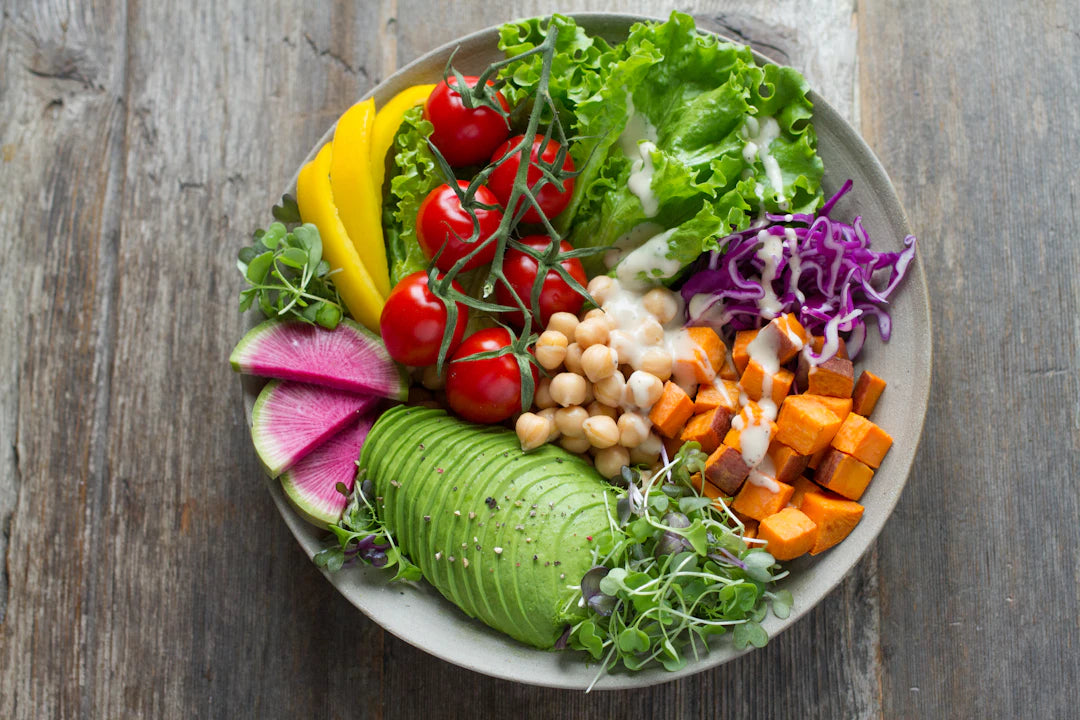
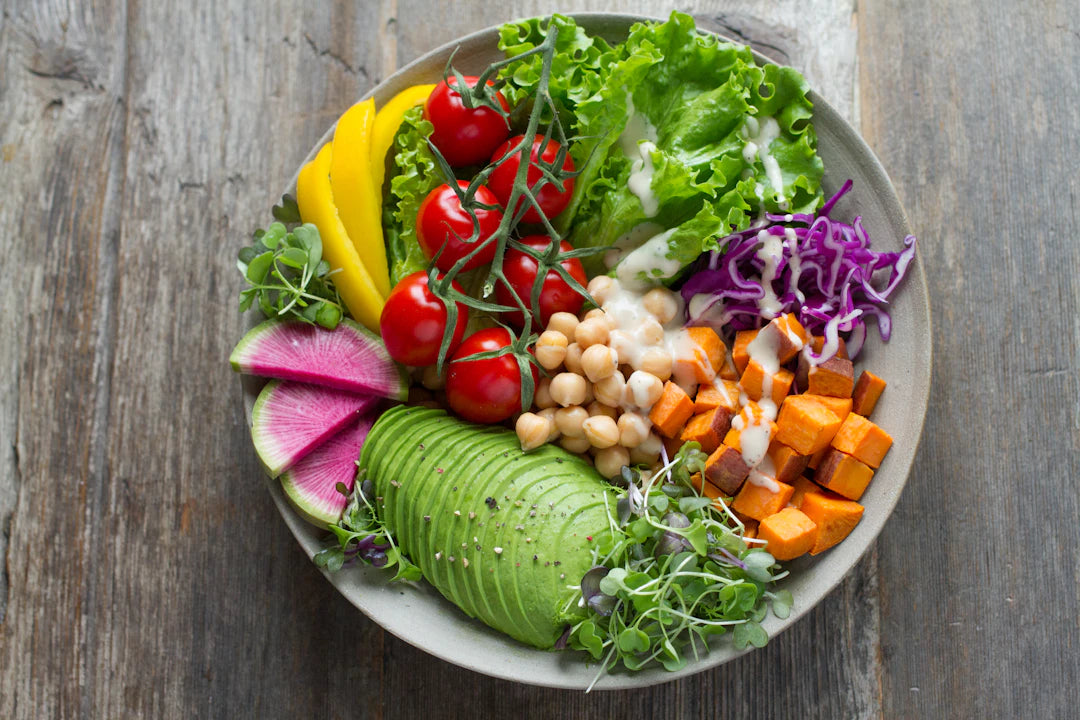
- Vitamin A: This vitamin is essential for skin cell renewal and repair. Foods rich in vitamin A, such as sweet potatoes, carrots, and spinach, help maintain skin health and prevent dryness.
- Vitamin C: Known for its antioxidant properties, vitamin C helps in collagen production, which can reduce the appearance of fine lines. Include citrus fruits, strawberries, and bell peppers in your diet to boost your intake.
- Vitamin E: Another powerful antioxidant, vitamin E protects the skin from oxidative stress. Nuts, seeds, and green leafy vegetables are excellent sources of this vitamin.
Omega-3 Fatty Acids
Omega-3 fatty acids are known for their anti-inflammatory properties. They help to maintain the skin’s lipid barrier, keeping it hydrated and plump. Include fatty fish like salmon, walnuts, and flaxseeds in your diet for a healthy dose of omega-3s.
Antioxidants
Antioxidants help combat free radicals, which can damage skin cells. Foods rich in antioxidants, such as berries, dark chocolate, and green tea, can help promote youthful skin and enhance your overall skin care routine.
The Best Foods for Your Skin
Some foods stand out as particularly beneficial for skin health. Here are some top picks to include in your diet:
- Berries: Blueberries, strawberries, and raspberries are packed with antioxidants that help protect your skin.
- Fatty Fish: Rich in omega-3 fatty acids, fish can help keep your skin moisturized and reduce inflammation.
- Avocados: This creamy fruit contains healthy fats and vitamins that nourish the skin.
- Walnuts: A great source of omega-3 and antioxidants, walnuts are ideal for supporting skin health.
- Green Leafy Vegetables: Spinach and kale are filled with vitamins and antioxidants that promote skin vitality.
Hydration: The Key Component
An essential element of skin care is hydration. Drinking enough water and consuming water-rich foods helps your skin maintain its elasticity and fight dryness. Aim for at least eight glasses of water a day, and add cucumber, watermelon, and oranges to your meals for an extra hydration boost.
The Impact of Sugar on Skin Health
It’s important to understand how sugar can impact your skin. High sugar intake can lead to glycation, a process that damages collagen and elastin, the proteins responsible for maintaining your skin’s firmness and elasticity. This makes it crucial to limit sugar-laden foods and drinks and instead focus on whole foods to support skin health.
The Role of a Balanced Diet in Aging
Aging is a natural process, but the rate at which our skin ages can be greatly influenced by our diet. Diets high in antioxidants and healthy fats can help mitigate the appearance of fine lines and wrinkles. Regularly consuming nutrient-dense foods allows your skin to regenerate effectively, promoting a youthful appearance.
Plant-Based Diets and Their Benefits
Exploring a plant-based diet can be beneficial for skin health. Plant-based foods are usually low in unhealthy fats and sugar, making them excellent choices for those seeking to enhance their skin care routine. Incorporating a variety of fruits, vegetables, legumes, and whole grains can provide your skin with the essential nutrients needed for optimal health.
Supplements and Skin Health
While a balanced diet is the best way to obtain nutrients, some people may consider supplements to support their skin health further. Common supplements include omega-3 fatty acids, collagen, and antioxidants. However, it’s essential to consult with a healthcare professional before adding any supplements to your routine.
Daily Skin Care Routine Integration
Integrating dietary choices into your daily skin care routine enhances its effectiveness. For instance, while using an oil for fine lines, you can support your skin from within by consuming foods rich in omega-3 fatty acids and antioxidants. Remember, the best results come from a holistic approach, combining internal nourishment with external care.
The Importance of Consistency
One of the keys to enjoying long-term skin health benefits from your diet is consistency. It’s important to make nutritious eating a habit rather than a sporadic endeavor. Over time, you’ll likely notice improvements in your skin’s texture, tone, and overall appearance.
Healthy Lifestyle Tips for Radiant Skin
A good diet is just one part of the equation. To maintain radiant skin, consider incorporating these healthy lifestyle tips:
- Manage stress: Stress can lead to skin problems like breakouts and wrinkles. Engaging in stress-reducing activities like yoga, meditation, or exercise can have positive effects on your skin.
- Get enough sleep: Sleep is essential for skin repair. Aim for 7-9 hours of quality sleep each night to allow your skin to recover and rejuvenate.
- Limit alcohol and tobacco: Both can dehydrate the skin, speeding up the aging process. Moderation is key if you choose to consume these substances.
Final Thoughts on Nourishing Your Skin from the Inside Out
In conclusion, your diet plays a significant role in your skin health. By choosing nutrient-dense foods, staying hydrated, and maintaining a balanced lifestyle, you can enhance your skin's appearance and support a radiant complexion. Remember that nourishing your skin inside is just as important as your external skin care routine. Embrace healthy eating habits, and watch your skin transform into its most vibrant state!
Frequently Asked Questions
1. How does diet impact skin health?
2. What are some essential nutrients for healthy skin?
3. Which foods are best for skin health?
4. Why is hydration important for skin health?
5. How can a balanced diet influence aging skin?
Glossary
| Term | Meaning |
|---|---|
| Antioxidants | Substances that protect skin cells from damage caused by free radicals. |
| Omega-3 Fatty Acids | Healthy fats that maintain skin hydration and reduce inflammation. |
| Vitamins A, C, E | Essential vitamins that promote skin health, cell renewal, and collagen production. |
| Hydration | The process of maintaining moisture in the skin for elasticity and health. |
| Glycation | A process where sugar damages collagen and elastin, affecting skin firmness. |
| Plant-Based Diet | A diet focused on fruits, vegetables, and whole grains beneficial for skin health. |
| Supplements | Additional nutrients taken to support skin health, often in pill form. |
| Skin Elasticity | The ability of skin to stretch and return to its original shape, crucial for youthful appearance. |
| Processed Foods | Foods that are altered from their natural state, often high in sugar and unhealthy fats. |
| Cell Regeneration | The process by which skin cells renew and repair themselves for healthier skin. |
Linked Product

Beauty Oil
The Beauty Oil features a blend of antioxidant-rich moringa and sacha oils, designed to hydrate, repair, and renew the skin while remaining non-comedogenic. This product targets premature aging, helping to reduce the appearance of fine lines and wrinkles for a more revitalized complexion. It is also suggested to be paired with microdermabrasion for enhanced skin benefits.
View Product