Unlock Radiance: Your Guide to Exfoliation
Overview
Exfoliation is essential for achieving a radiant complexion by removing dead skin cells, enhancing product absorption, and promoting cell turnover. There are two main types: physical (scrubs, brushes) and chemical (acids, enzymes). Frequency depends on skin type: oily skin can exfoliate 2-3 times a week, while dry or sensitive skin should do so less frequently. Always follow up with moisturizer and sunscreen. Key practices include choosing the right exfoliant, cleansing before exfoliating, and listening to your skin to avoid irritation. Consistency is crucial for optimal skin health.
Table of Contents
- Understanding Exfoliation
- Why Exfoliate?
- Types of Exfoliation
- Physical Exfoliation
- Chemical Exfoliation
- When to Exfoliate
- Skin Type Considerations
- Timing Matters
- Creating Your Exfoliation Routine
- Step 1: Choose Your Exfoliant
- Step 2: Cleanse Your Skin
- Step 3: Exfoliate
- Step 4: Follow Up with Moisturizer
- The Do’s and Don’ts of Exfoliation
- Do’s
- Don’ts
- Nurturing Your Radiant Complexion
- Embrace Your Glow!
Key Takeaways
- Exfoliation removes dead skin cells, revealing healthier skin and enhancing the effectiveness of skincare products.
- Regular exfoliation promotes cell turnover, helping to maintain a youthful appearance as natural exfoliation slows with age.
- Two main types of exfoliation include physical (scrubs, brushes) and chemical (AHAs, BHAs, enzymes) methods, each suited for different skin types.
- Frequency of exfoliation should be tailored to your skin type: oily skin can handle 2-3 times a week, while dry skin should limit it to once a week.
- Always cleanse your skin before exfoliating to maximize effectiveness and follow up with a moisturizer to prevent dryness.
- Listen to your skin to avoid irritation; if redness occurs, reduce exfoliation frequency and patch test new products.
- Wear sunscreen after exfoliating, as skin becomes more sensitive to UV exposure.
Exfoliation is a crucial step in any effective skin care routine, yet it often remains misunderstood or overlooked. The process of removing dead skin cells can dramatically transform your skin, revealing a radiant complexion that glows with health. But how and when should you exfoliate to achieve these benefits? Let's dive into the world of exfoliation and discover the best practices for achieving that coveted glow.
Understanding Exfoliation
Exfoliation is the process of sloughing off dead skin cells from the surface of your skin. By shedding these cells, you unveil the fresher, healthier skin underneath. This process not only improves your skin’s appearance but also enhances the effectiveness of the products in your skin care routine by allowing better penetration.
Why Exfoliate?
Regular exfoliation offers numerous benefits, enhancing both your skin's texture and your overall complexion. Here are some key reasons to incorporate this practice:
- Promotes Cell Turnover: As we age, the natural exfoliation process slows down. Regular exfoliation helps to speed up cell turnover, keeping your skin looking youthful.
- Unclogs Pores: Dirt, oil, and dead skin cells can accumulate in your pores, leading to breakouts. Exfoliating helps keep your pores clear.
- Enhances Absorption: With removed dead skin cells, your skin care products can penetrate deeper and work more effectively.
- Boosts Circulation: Exfoliating stimulates blood flow, which can lead to a brighter and more vibrant complexion.
Types of Exfoliation
There are two primary types of exfoliation: physical and chemical. Understanding the difference will help you choose the best method for your skin.
Physical Exfoliation
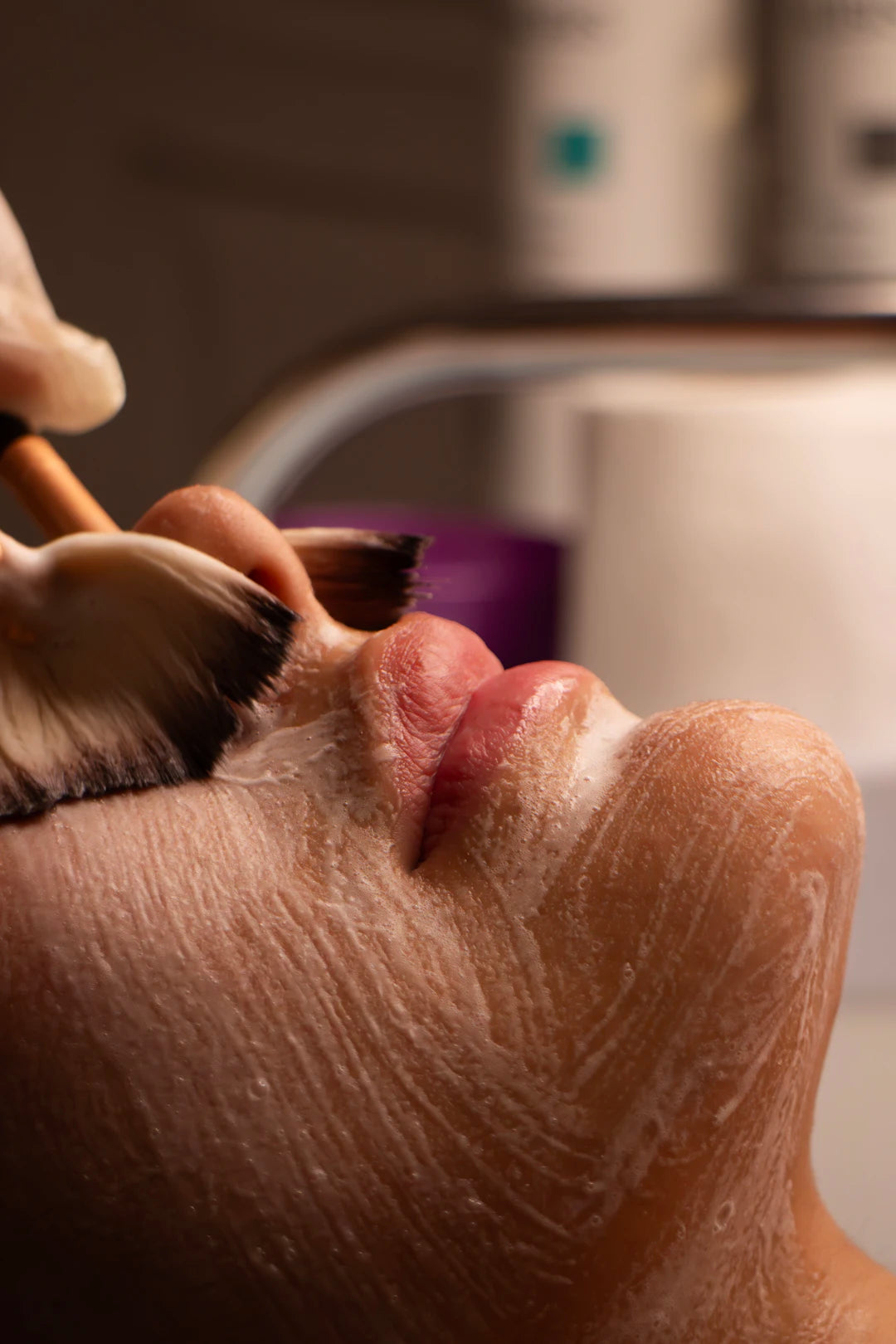
Physical exfoliation involves using a scrub or tool to manually remove dead skin cells. Common methods include:
- Exfoliating Scrubs: These contain small particles that physically scrape away dead skin.
- Brushes and Grits: Facial brushes and sponges designed for exfoliation can provide a deeper clean.
While effective, it’s essential to use physical exfoliants gently to avoid skin irritation. Over-exfoliation can damage your skin barrier and lead to redness or breakouts.
Chemical Exfoliation
Chemical exfoliation utilizes acids or enzymes to dissolve dead skin cells. This method often provides a more even exfoliation and can be less abrasive than physical exfoliation. Common chemical exfoliants include:
- AHA (Alpha Hydroxy Acid): Derived from fruits, AHAs are ideal for dry or sun-damaged skin.
- BHA (Beta Hydroxy Acid): BHAs penetrate deeper into pores, making them suitable for oily or acne-prone skin.
- Enzymes: Enzymatic exfoliants gently dissolve dead skin using natural enzymes found in fruits.
When to Exfoliate
Determining the right frequency and timing for exfoliation can make all the difference. Here are some guidelines to follow:
Skin Type Considerations
Your skin type plays a significant role in how often you should exfoliate:
- Oily Skin: If you have oily skin, consider exfoliating 2 to 3 times a week to keep excess oil and breakouts at bay.
- Dry Skin: For dry skin, limit exfoliation to once a week, focusing on gentle methods to avoid irritation.
- Sensitive Skin: Those with sensitive skin should exfoliate sparingly, perhaps once every two weeks, and opt for mild exfoliating products.
Timing Matters
The best time to exfoliate depends on your routine and your skin’s response. Many recommend exfoliating in the evening, as this allows your skin to recover overnight and reduces sun sensitivity. If you choose to exfoliate in the morning, follow up with sunscreen to protect your freshly exposed skin layer.
Creating Your Exfoliation Routine
To reap the full benefits of exfoliation while maintaining healthy skin, follow these steps to create a balanced exfoliation routine:
Step 1: Choose Your Exfoliant
Select a physical or chemical exfoliant based on your skin type and personal preferences. If you’re new to exfoliation, you might want to start with gentle scrubs or low concentration AHAs or BHAs.
Step 2: Cleanse Your Skin
Always start with a clean slate. Use a gentle cleanser to remove makeup, oils, and impurities, allowing the exfoliant to work more effectively.
Step 3: Exfoliate
Apply your chosen exfoliant according to the instructions, ensuring even coverage. For physical exfoliants, be gentle and avoid scrubbing too hard.
Step 4: Follow Up with Moisturizer
Exfoliation can leave your skin feeling dry, so it's crucial to apply a hydrating moisturizer afterward. This will help to restore moisture and keep your skin balanced.
The Do’s and Don’ts of Exfoliation
To maximize the benefits of exfoliation, it’s essential to follow some key guidelines:
Do’s
- Do listen to your skin. If you notice redness or irritation, take a break or cut back on exfoliation.
- Do patch test new products before incorporating them fully into your routine to avoid adverse reactions.
- Do always wear sunscreen, especially after exfoliating, as your skin will be more sensitive to UV rays.
Don’ts
- Don’t over-exfoliate. This can lead to skin irritation and damage the skin barrier.
- Don’t exfoliate on the same day as other potent treatments (like retinols or peels) to avoid irritation.
- Don’t ignore your skin type when choosing products. What works for one person may not work for another.
Nurturing Your Radiant Complexion
Incorporating regular exfoliation into your skin care routine paves the way for a radiant complexion and can significantly elevate your overall skin health. Remember, consistency is key, and finding the right balance is crucial in achieving that glow without compromising your skin’s integrity.
Embrace Your Glow!
Now that you're equipped with all the knowledge you need to exfoliate effectively, it’s time to put your newfound knowledge into action. Embrace a radiant complexion by making exfoliation a key part of your skin care routine. Remember to listen to your skin and adapt your approach as needed, ensuring you provide the care and attention it deserves. With the right exfoliation practices, you’ll be well on your way to unlocking a beautifully luminous skin!
Frequently Asked Questions
1. What is exfoliation?
2. Why should I exfoliate my skin?
3. What are the different types of exfoliation?
4. How often should I exfoliate?
5. What precautions should I take while exfoliating?
Glossary
| Term | Meaning |
|---|---|
| Exfoliation | The process of removing dead skin cells to reveal healthier skin. |
| Physical Exfoliation | Manually scrubbing away dead skin using tools or scrubs. |
| Chemical Exfoliation | Using acids or enzymes to dissolve dead skin cells. |
| AHA | Alpha Hydroxy Acid, ideal for dry or sun-damaged skin. |
| BHA | Beta Hydroxy Acid, suitable for oily or acne-prone skin. |
| Cell Turnover | The process of shedding old skin cells and generating new ones. |
| Moisturizer | A product used to hydrate and restore skin moisture after exfoliation. |
| Sun Sensitivity | Increased vulnerability to UV rays after exfoliation. |
| Skin Type | Your skin's characteristics, which influence exfoliation frequency. |
| Patch Test | A method to check for adverse reactions to new products. |
Linked Product

Microdermabrasion
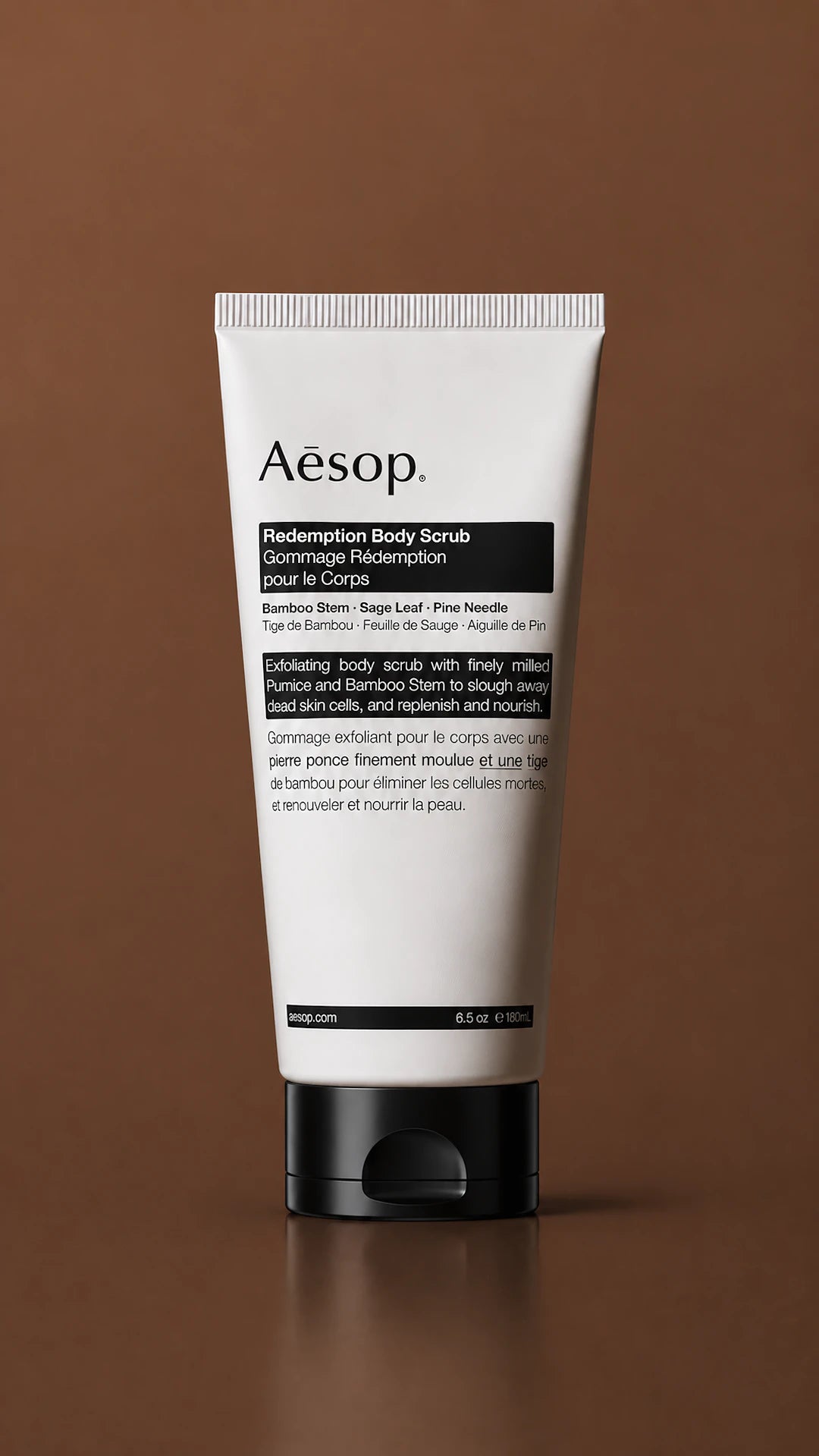
Microdermabrasion offers an advanced exfoliation solution that utilizes bamboo beads to effectively remove dead skin cells, promoting a smoother complexion. Enriched with pumpkin extract and vitamins, it not only helps to soothe and soften the skin but also aids in repairing damage caused by free radicals. This product is designed to complement Beauty Oil and Laser Resurfacing treatments for enhanced skincare results.
View Product