The Effects of Pollution on Your Skin and Protective Measures
Overview
This article explores the detrimental effects of pollution on skin health and offers practical strategies to protect and maintain a healthy complexion. Readers will learn about different types of pollution, how they impact the skin, and essential skincare routines and lifestyle changes that can mitigate these harmful effects. By understanding these factors, individuals can take proactive steps to safeguard their skin in an increasingly polluted environment.
Table of Contents
- Understanding Pollution and Its Effects on Skin
- Air Pollution
- Water Pollution
- Chemical Exposure
- Essential Protective Measures for Your Skin
- Incorporate a Robust Skincare Routine
- Stay Hydrated
- Utilize the Hydrate & Protect Bundle
- Limit Sun Exposure
- Maintain a Balanced Diet
- Understanding the Impact of Stress
- The Role of Professional Treatments
- Skincare Myths to Debunk
- Final Thoughts on Skin Protection in a Polluted World
Key Takeaways
- Pollution Types: Air, water, and chemical exposure are the main types of pollution affecting skin health.
- Premature Aging: Pollutants cause oxidative stress, leading to fine lines and wrinkles.
- Skin Irritation: Contaminated water can result in redness, dryness, and allergic reactions.
- Effective Skincare Routine: Cleanse, treat with antioxidants, moisturize, and protect with sunscreen.
- Stay Hydrated: Drink at least 8 glasses of water daily and incorporate hydrating foods into your diet.
- Limit Sun Exposure: Seek shade, wear protective clothing, and apply sunscreen even on cloudy days.
- Professional Treatments: Consider chemical peels and facials for rejuvenation and to combat pollution damage.
In today’s fast-paced world, pollution has become a significant environmental concern that affects not only our health but also the health of our skin. From harmful chemicals in the air to particulate matter from vehicles, pollution can wreak havoc on our complexion. Understanding how pollution affects your skin and the protective measures you can take is essential for maintaining a healthy glow. In this comprehensive guide, we'll delve into the various ways pollution impacts your skin and explore effective strategies to combat these harmful effects.
Understanding Pollution and Its Effects on Skin
Pollution can take many forms, including air pollution, water pollution, and chemical exposure. Each type can have different effects on your skin. Let’s break down the impacts of these environmental nasties:
Air Pollution
Air pollution is perhaps the most prominent form of pollution affecting urban dwellers. The presence of particulate matter (PM), nitrogen dioxide (NO2), sulfur dioxide (SO2), and volatile organic compounds (VOCs) can adversely affect the skin, leading to:
- Premature Aging: Pollutants generate free radicals in the skin, which cause oxidative stress. This can lead to fine lines, wrinkles, and other signs of aging, making antiaging measures essential.
- Skin Inflammation: Exposure to pollutants can trigger inflammatory responses, leading to conditions like eczema and rosacea.
- Dull Complexion: Accumulation of dirt and pollutants can clog pores, leading to a tired and dull appearance.
Water Pollution
Water pollution introduces various harmful chemicals and heavy metals into our environment. Exposure to contaminated water can lead to serious skin issues:
- Skin Irritation: Elements such as chlorine, lead, and other toxins can cause redness, dryness, and irritation.
- Allergic Reactions: Sensitive skin types may react adversely to pollutants found in water, leading to allergic reactions including rashes and itchiness.
Chemical Exposure
Everyday products—cleaning agents, cosmetics, and even food packaging—release chemicals that can harm your skin. These chemicals can lead to:
- Acne Breakouts: Harmful substances can clog pores, resulting in acne and other blemishes.
- Uneven Skin Tone: Skin can become discolored or develop hyperpigmentation when exposed to certain chemicals over time.
Essential Protective Measures for Your Skin
With pollution's negative impact on skin health, it’s crucial to adopt protective measures to safeguard your skin. Here are some expert-backed strategies:
Incorporate a Robust Skincare Routine
A consistent skincare routine is vital in combating the effects of pollution on your skin. Consider incorporating the following steps:
- Cleanse: Use a gentle cleanser to remove dirt and pollutants from the skin’s surface. Opt for a cleanser that targets impurities without stripping away natural oils.
- Treat: After cleansing, apply serums that contain antioxidants to combat free radicals and provide a protective barrier. Ingredients like vitamin C are particularly effective.
- Moisturize: Keeping your skin hydrated is essential. Using a hydrating product such as a hyaluronic acid serum can help replenish moisture.
- Protect: Sunscreen is non-negotiable. A lightweight formula like EltaMD UV Clear Broad-Spectrum SPF 46 is ideal for daily use, providing protection against harmful UV rays while being suitable for sensitive skin.
Stay Hydrated
Water is your skin's best friend. Regular hydration helps maintain skin elasticity and combats dryness, particularly in polluted environments. Aim for at least 8 glasses of water a day and incorporate hydrating foods into your diet, such as:
- Cucumbers
- Watermelon
- Celery
- Oranges
Utilize the Hydrate & Protect Bundle
For those looking to optimize their skincare-related protective measures, consider the benefits of products like the Hydrate & Protect Bundle. Pairing a hydrating serum with a reliable sunscreen can offer a dual action of replenishing moisture and protecting against UV damage while combating the harsh effects of pollution.
Limit Sun Exposure
While sun exposure is necessary for vitamin D production, excessive exposure can harm your skin, especially when combined with pollution. Follow these tips:
- Seek shade during peak sun hours (10 a.m. to 4 p.m.).
- Wear protective clothing such as hats and long sleeves.
- Always apply sunscreen, even on cloudy days.
Maintain a Balanced Diet
Your skin reflects what you put into your body. Consuming foods rich in antioxidants can help protect against pollution-induced damage. Consider including:
- Fruits and vegetables, particularly berries, spinach, and kale.
- Nuts and seeds that provide healthy fats, promoting skin barrier function.
- Fatty fish, rich in omega-3 fatty acids, which are known to reduce inflammation.
Understanding the Impact of Stress
While pollution is a significant external factor affecting your skin, stress can exacerbate these effects. Stress triggers the production of cortisol, which in turn can lead to increased oil production and result in acne. To combat stress, consider implementing the following practices into your daily routine:
- Mindfulness and Relaxation: Engage in yoga or meditation to promote relaxation and reduce stress levels.
- Regular Exercise: Physical activity can help alleviate stress and improve circulation, giving your skin a healthy glow.
The Role of Professional Treatments
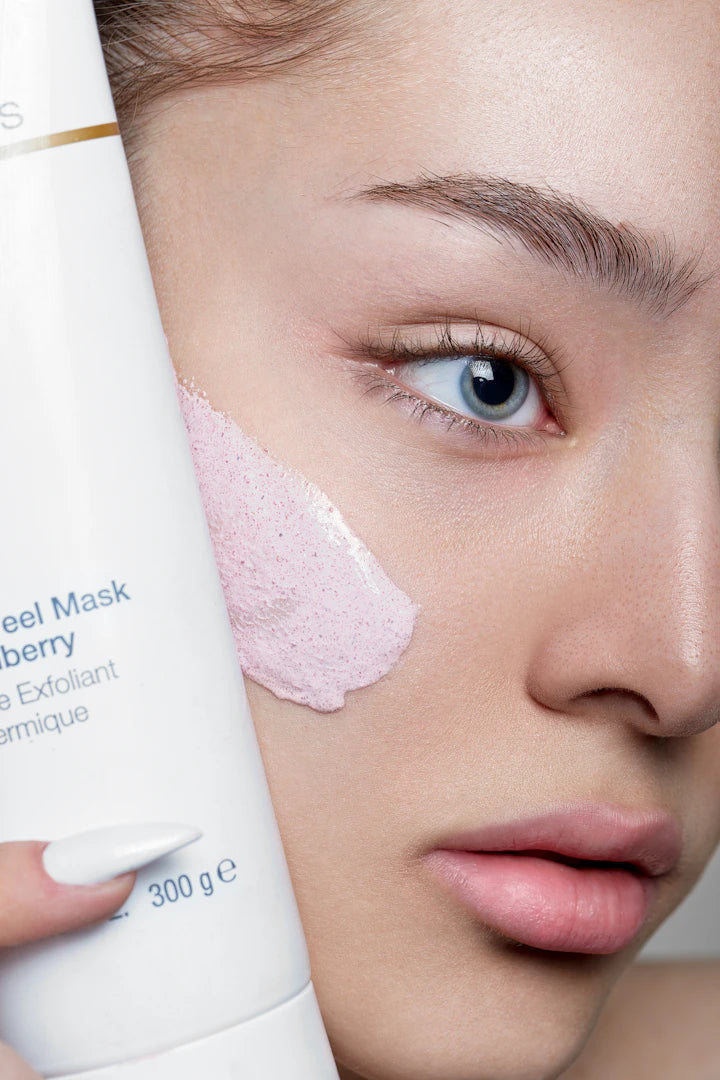
For those particularly concerned about the effects of pollution on their skin, consider professional treatments as an option. Services like chemical peels, laser treatments, and professional facials can help renew and rejuvenate your skin, counteracting damage caused by environmental stressors. Always consult with a certified dermatologist to understand the best options tailored for your skin type and concerns.
Skincare Myths to Debunk
With the many ways to protect your skin from pollution, it’s essential to separate fact from fiction. Let’s debunk some common skincare myths:
- Myth 1: Natural products are always better for your skin. Not necessarily; some natural ingredients can be irritating, and always check ingredients.
- Myth 2: Oily skin doesn’t need moisturizer. Even oily skin requires hydration; opt for lightweight, oil-free lotions.
- Myth 3: You only need sunscreen on sunny days. UV rays can penetrate clouds and damage your skin, so sunscreen is a must year-round.
Final Thoughts on Skin Protection in a Polluted World
As we navigate an increasingly polluted environment, being proactive about your skin health is essential. By understanding the effects of pollution and implementing strategic protective measures, you can maintain a radiant, youthful complexion. From adopting a comprehensive skincare routine to embracing a balanced diet, there are countless ways to combat the adverse effects of pollution. Remember, the journey to healthy skin is ongoing, and the investments you make today will pay off in the long run. Take charge, protect your skin, and always be mindful of the world we live in!
Frequently Asked Questions
1. How does pollution affect my skin?
2. What types of pollution impact skin health?
3. What protective measures can I take against pollution's effects on my skin?
4. Is it important to use sunscreen even on cloudy days?
5. Can stress affect my skin?
Glossary
| Term | Meaning |
|---|---|
| Pollution | Contamination of the environment affecting health and skin. |
| Air Pollution | Harmful substances in the air, like particulate matter and chemicals. |
| Skin Inflammation | Redness and irritation caused by exposure to pollutants. |
| Water Pollution | Contamination of water sources leading to skin issues. |
| Acne Breakouts | Skin blemishes caused by clogged pores from harmful substances. |
| Antioxidants | Compounds that combat free radicals and protect skin. |
| Hydration | Maintaining moisture in the skin to prevent dryness. |
| UV Protection | Shielding skin from harmful ultraviolet rays. |
| Mindfulness | Practices like meditation to reduce stress affecting skin health. |
| Professional Treatments | Services like facials and peels to rejuvenate skin. |
Linked Product

Hydrate & Protect Bundle
The Hydrate & Protect Bundle combines the Water Molecule hyaluronic acid serum with EltaMD UV Clear Broad-Spectrum SPF 46 for a complete summer skincare solution. The serum helps to maintain hydration and resilience against moisture loss, while the SPF 46 offers lightweight sun protection suitable for sensitive and acne-prone skin. Together, they provide essential defense against UV rays and dehydration, promoting healthy, radiant skin throughout the summer.
View Product