Caring for Sensitive Skin: Gentle Strategies You Need
Overview
This article serves as a comprehensive guide for individuals with sensitive skin, offering practical tips for effective care and protection. Readers will learn how to identify their skin's unique needs, choose suitable products, and establish a balanced skincare routine that promotes hydration and minimizes irritation. By implementing these strategies, they can achieve a healthier, more radiant complexion while navigating the challenges of sensitive skin.
Table of Contents
- Understanding Sensitive Skin
- Common Symptoms of Sensitive Skin
- Moisturizing: The First Step In Gentle Care
- Choose Gentle Ingredients
- Frequency of Application
- The Importance of Sun Protection
- Broad-Spectrum Sunscreen
- Physical vs. Chemical Sunscreens
- Creating a Balanced Skincare Routine
- 1. Cleanser
- 2. Toner (Optional)
- 3. Treatment Products
- 4. Moisturizer and Sunscreen
- Smart Lifestyle Choices
- Nutrition Matters
- Stress Management
- Sleep Hygiene
- When to Seek Professional Help
- A Refreshing Final Thought
Key Takeaways
- Understand Your Skin: Sensitive skin reacts strongly to external factors; recognizing symptoms like redness and irritation is crucial.
- Moisturize Regularly: Use gentle moisturizers with soothing ingredients like hyaluronic acid, aloe vera, and shea butter, ideally twice a day.
- Prioritize Sun Protection: Apply a broad-spectrum sunscreen with SPF 30 or higher daily to shield against UV damage.
- Choose the Right Cleanser: Opt for a gentle, hydrating cleanser that removes impurities without stripping natural oils.
- Maintain a Simple Routine: Stick to a basic skincare routine to minimize irritation; avoid layering too many products.
- Adopt Healthy Lifestyle Choices: Incorporate anti-inflammatory foods, stay hydrated, and manage stress to support skin health.
- Consult a Dermatologist: Seek professional advice if skin sensitivity persists despite a focused skincare regimen.
Having sensitive skin can feel like a balancing act between nurturing your delicate complexion and dealing with various irritants. Whether your skin is susceptible to redness, irritation, or allergic reactions, implementing effective strategies for gentle care can make all the difference. This guide will provide essential tips for moisturizing, protecting, and rejuvenating sensitive skin, ensuring you achieve that natural, radiant glow.
Understanding Sensitive Skin
Before diving into tactics for caring for sensitive skin, it's vital to understand what sensitive skin really is. Sensitive skin tends to react more strongly to external factors such as weather changes, harsh ingredients in skincare products, and lifestyle habits. Recognizing the signs and triggers can help you tailor your skincare routine to avoid irritation.
Common Symptoms of Sensitive Skin
The symptoms of sensitive skin can vary, but some of the most common include:
- Redness: A tell-tale sign that your skin is reacting to something.
- Itching or burning sensations: Often caused by irritation or allergic reactions.
- Dryness and flakiness: Sensitive skin may lack moisture and resilience.
- Breakouts: Acne-prone individuals may find their conditions exacerbated by irritation.
Moisturizing: The First Step In Gentle Care
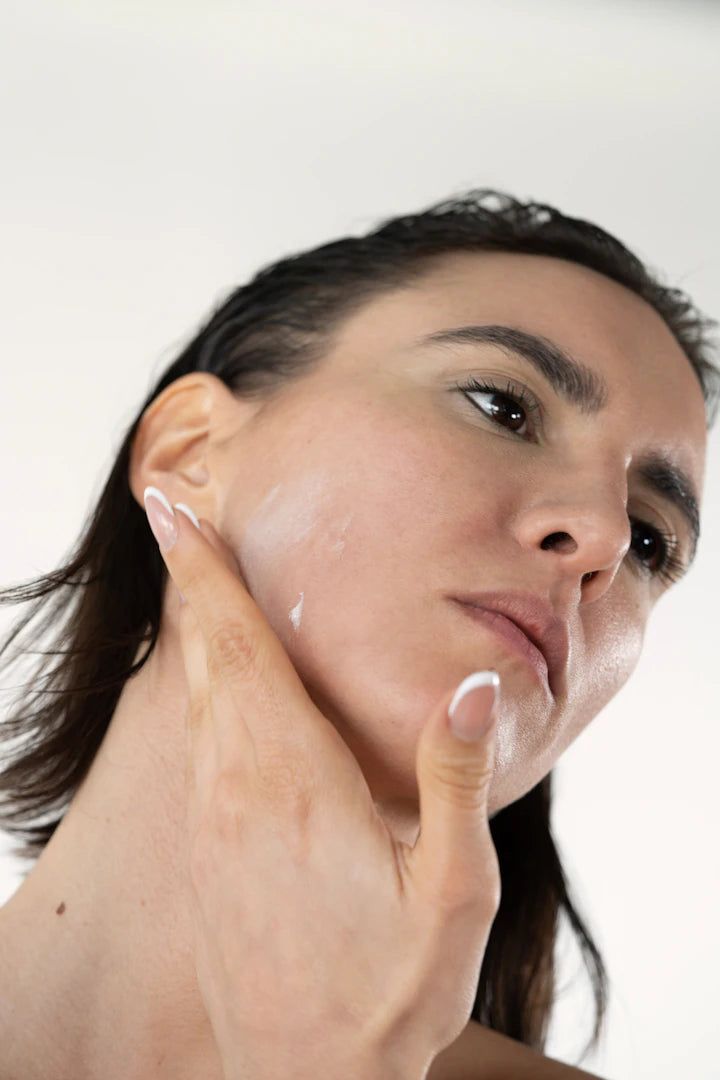
One of the cornerstones of caring for sensitive skin is keeping it well-hydrated. Hydration not only helps maintain the skin barrier but also prevents dryness and irritation. Here are some tips for effective moisturizing:
Choose Gentle Ingredients
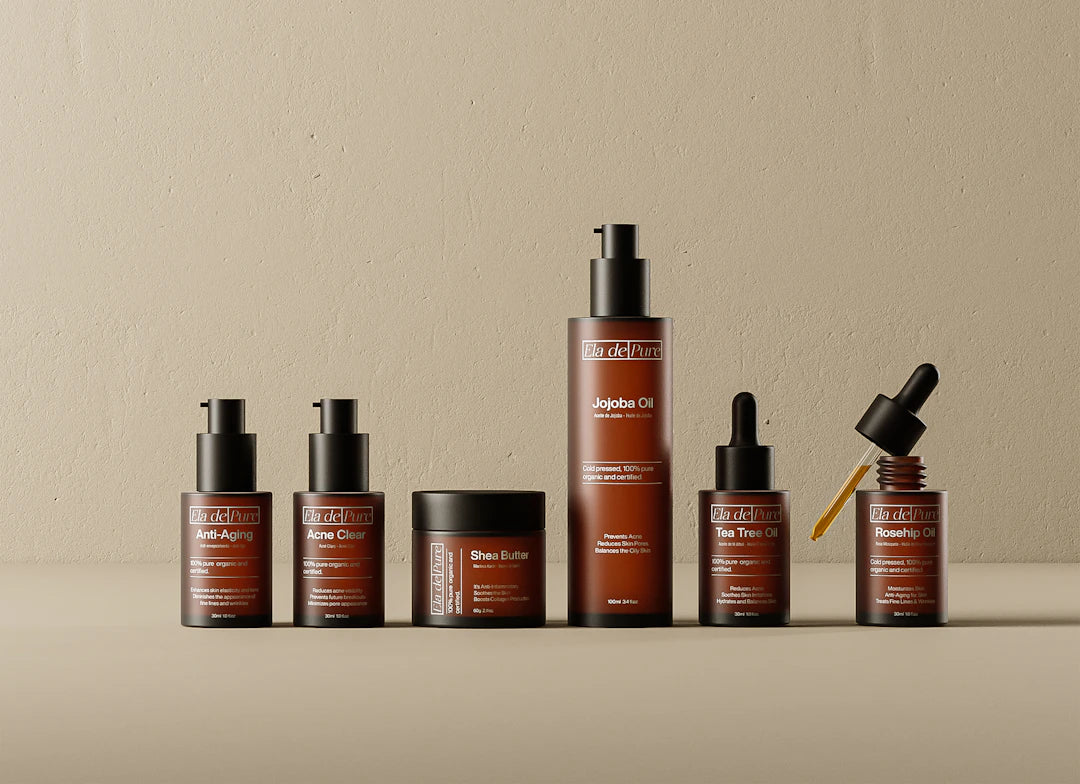
When selecting a moisturizer, look for products free from artificial fragrances, harsh chemicals, and alcohol, which can exacerbate sensitivity. Opt for gentler formulations with soothing ingredients, such as:
- Hyaluronic Acid: Known for its ability to attract and retain moisture.
- Aloe Vera: Offers a soothing effect and hydrates the skin.
- Shea Butter: Provides rich nourishment and moisture.
Frequency of Application
It’s essential to moisturize your skin regularly, ideally two times a day—once in the morning and once at night. A nightly routine can be especially beneficial, as it gives your skin time to repair while you sleep.
The Importance of Sun Protection
Sun protection plays a crucial role in maintaining the health of sensitive skin. Exposure to UV rays can lead to various skin issues, including premature aging, irritation, and an increased risk for skin cancers. Here's how to effectively protect your skin:
Broad-Spectrum Sunscreen
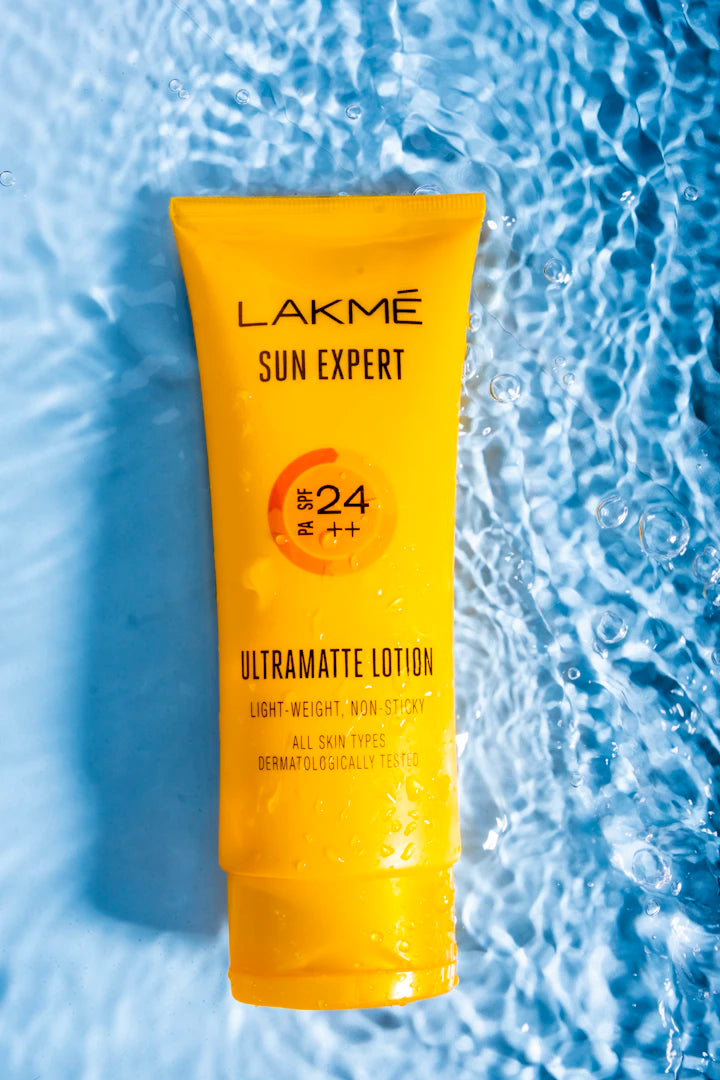
Choosing a broad-spectrum sunscreen with SPF 30 or higher is essential for shielding sensitive skin from harmful UV rays. For individuals with acne-prone skin, look for lightweight, oil-free formulas to prevent breakouts while ensuring adequate protection.
Consider pairing your moisturizer with a sunscreen that provides both hydration and protection, like a lightweight SPF that features hyaluronic acid. This strategy can effectively combat sun damage while also addressing issues like anti-wrinkles through hydration.
Physical vs. Chemical Sunscreens
People with sensitive skin may find that physical (mineral) sunscreens are less irritating than chemical options. Physical sunscreens contain zinc oxide or titanium dioxide, which act as physical barriers to block UV rays without the irritation associated with chemical filters.
Creating a Balanced Skincare Routine
Maintaining a simple, easy-to-follow skincare routine is fundamental for sensitive skin. The key is to avoid layering too many products that could cause irritation, sticking to the basics instead. Here’s a suggested routine to consider:
1. Cleanser
Choose a gentle, hydrating cleanser that effectively removes dirt and make-up without stripping the skin of its natural oils. Creamy or gel cleansers with calming ingredients like oatmeal or mild botanical extracts are ideal.
2. Toner (Optional)
If you choose to use a toner, opt for alcohol-free options that provide hydration and calming effects. Avoid toners with astringents that may dry out the skin.
3. Treatment Products
For those dealing with sensitive, acne-prone skin, incorporate treatment products containing salicylic acid or benzoyl peroxide sparingly into your routine. Always patch-test new products before applying them across your face.
4. Moisturizer and Sunscreen
As emphasized earlier, moisturizing is essential, and so is sun protection if it’s during the day. During the nighttime, ensure you allow your skin to breathe without added UV exposure.
Smart Lifestyle Choices
In addition to skincare products and routines, your lifestyle choices can also impact skin sensitivity. Here are some strategies to consider:
Nutrition Matters
What you put into your body can significantly affect your skin's health. Incorporate anti-inflammatory foods rich in antioxidants, such as:
- Fruits and vegetables
- Nuts and seeds
- Omega-3 fatty acids from fish or flaxseed
Staying hydrated by drinking enough water throughout the day is also imperative in promoting overall skin health.
Stress Management
Stress has been linked to skin flare-ups and sensitivity. Practices such as yoga, meditation, or even regular walks can help reduce stress levels, which translates to improved skin health.
Sleep Hygiene
Don't underestimate the power of a good night's sleep! Adequate rest allows your skin to repair and rejuvenate itself. Aim for 7-9 hours of quality sleep each night to give your skin the support it needs.
When to Seek Professional Help
If you continue to struggle with your sensitive skin despite making lifestyle changes and a focused skincare routine, consider consulting a dermatologist. They can provide personalized advice and treatment options that can help.
A Refreshing Final Thought
Taking care of sensitive skin doesn’t have to be a hassle. By making smart choices about the products you use and the way you treat your skin, you can achieve a balanced and radiant complexion. Remember, simplicity is often the key, so focus on products that hydrate, protect, and nourish your skin without overwhelming it. Your journey to calm, beautiful skin is just getting started, and with the right strategies, you’ll get there in style!
Frequently Asked Questions
1. What is sensitive skin?
2. What are common symptoms of sensitive skin?
3. How often should I moisturize sensitive skin?
4. What type of sunscreen is best for sensitive skin?
5. When should I seek professional help for my sensitive skin?
Glossary
| Term | Meaning |
|---|---|
| Sensitive Skin | Skin that reacts strongly to environmental factors and products. |
| Moisturizing | The process of hydrating the skin to prevent dryness. |
| Hyaluronic Acid | A substance that attracts and retains moisture in the skin. |
| Broad-Spectrum Sunscreen | SPF product that protects against both UVA and UVB rays. |
| Physical Sunscreen | Mineral-based sunscreen that reflects UV rays without irritation. |
| Cleanser | A product used to remove dirt and makeup from the skin. |
| Toner | A liquid that can hydrate and calm the skin after cleansing. |
| Patch Test | A method to check for skin reactions before full application. |
| Anti-Inflammatory Foods | Foods that help reduce inflammation and support skin health. |
| Stress Management | Practices to reduce stress that can affect skin sensitivity. |
Linked Product

Hydrate & Protect Bundle
The Hydrate & Protect Bundle combines a hydrating hyaluronic acid serum with broad-spectrum sun protection, making it ideal for sensitive, acne-prone skin during the summer. The Water Molecule Serum helps maintain moisture levels, while the EltaMD SPF 46 offers lightweight protection against harmful UV rays. Together, these products provide a comprehensive solution for keeping skin radiant and protected from dehydration and sun damage.
View Product