The Impact of Diet on Your Skin Health
Overview
This article explores the vital connection between diet and skin health, emphasizing how the foods you consume can significantly impact your complexion. Readers will learn about essential nutrients that promote skin vitality, the effects of harmful foods, and the importance of hydration. By understanding these relationships, you can make informed dietary choices that enhance your skin's appearance and overall health.
Table of Contents
- The Role of Nutrition in Skin Health
- Vitamins and Minerals
- Healthy Fats
- The Best Foods for Glowing Skin
- Fruits and Vegetables
- Whole Grains
- Lean Proteins
- The Impact of Sugar and Processed Foods
- Hydration: The Forgotten Key
- The Role of Supplements
- Mindful Eating for Better Skin
- Creating a Balanced Meal Plan
- Skincare Routines and Dietary Choices
- Common Dietary Myths about Skin
- Note on Genetics and Hormones
- Embracing a Skin-Friendly Lifestyle
- Making the Change
- Final Thoughts on Achieving Radiant Skin
Key Takeaways
- Nutrition is key: Your skin health is heavily influenced by your diet, requiring essential nutrients for optimal function.
- Focus on vitamins: Vitamins A, C, and E, along with zinc, play crucial roles in skin repair, collagen production, and protection against damage.
- Healthy fats matter: Omega-3 fatty acids from sources like fish and flaxseeds improve skin hydration and reduce inflammation.
- Avoid harmful foods: Limit refined sugars, processed foods, and excessive dairy to prevent skin issues such as acne and premature aging.
- Stay hydrated: Drinking sufficient water and consuming hydrating foods like cucumbers and watermelon are vital for maintaining skin elasticity.
- Consider supplements: If dietary needs aren’t met, omega-3 supplements can support skin hydration, but consult a healthcare professional first.
- Mindful eating: Being aware of your food choices and their effects on your skin can lead to healthier dietary habits.
Your skin is a reflection of your overall health, and diet plays a crucial role in maintaining its vitality and radiance. When you think about improving your skin, you may consider various skincare products or beauty oils. However, what you eat regularly can significantly influence how your skin looks and feels. In this comprehensive article, we delve into the relationship between diet and skin health, exploring the foods that can enhance your complexion and the ones that may have adverse effects.
The Role of Nutrition in Skin Health
Your skin is your body's largest organ, and like any other part of your body, it requires the right nutrients to function optimally. Proper nutrition helps in repairing tissues, producing new skin cells, and keeping your skin hydrated. Here are some vital nutrients known for their positive impact on skin health:
Vitamins and Minerals
- Vitamin A: Essential for skin repair and maintenance, vitamin A promotes cell turnover, helping to keep skin smooth and youthful.
- Vitamin C: This powerful antioxidant protects against free radicals while boosting collagen production, leading to firmer skin.
- Vitamin E: Known for its moisturizing properties, vitamin E can help in reducing inflammation and protecting skin from sun damage.
- Zinc: This mineral is crucial for wound healing and may help to reduce acne outbreaks.
Healthy Fats
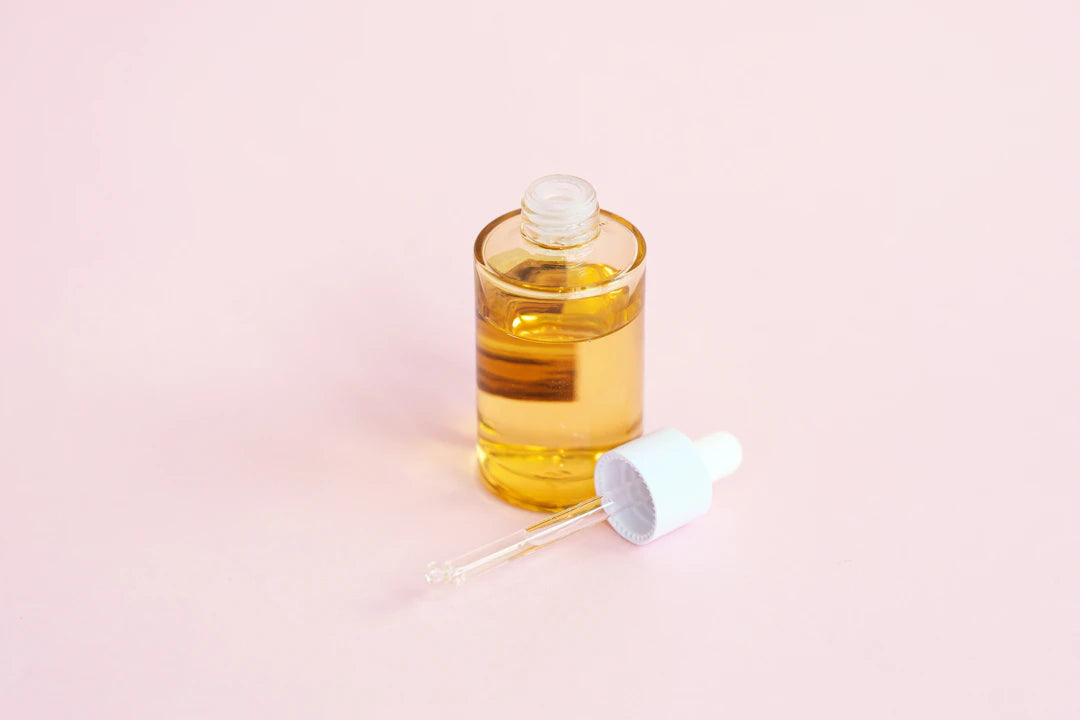
Incorporating healthy fats into your diet can have a dramatic effect on your skin health. Omega-3 fatty acids, found in fish, flaxseeds, and walnuts, support skin hydration and elasticity. These fatty acids can help calm inflammation, which is beneficial for conditions like acne and eczema. Additionally, beauty oils that contain these fats can further enhance hydration when applied topically.
The Best Foods for Glowing Skin
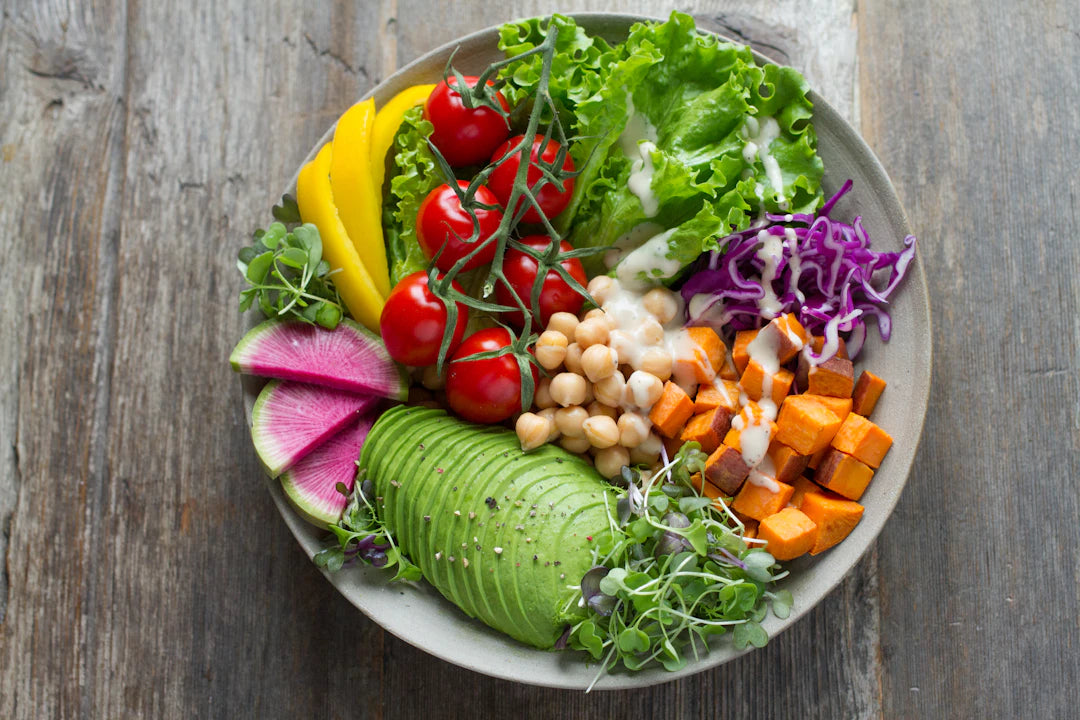
To achieve a radiant complexion, focus on incorporating a variety of nutrient-rich foods into your diet. Here are some of the best options:
Fruits and Vegetables
Brightly colored fruits and vegetables are packed with antioxidants that combat oxidative stress. Foods like berries, spinach, and sweet potatoes are excellent choices. Antioxidants help to prevent skin damage and promote a healthy glow.
Whole Grains
Whole grains like quinoa, brown rice, and oats provide essential B vitamins that contribute to skin cell turnover and repair. They help to maintain stable blood sugar levels, minimizing the risk of acne breakouts.
Lean Proteins
Incorporating lean proteins, like chicken, turkey, beans, and legumes, into your diet supports collagen production, which is vital for maintaining skin elasticity. A diet rich in protein ensures that your skin remains firm and youthful.
The Impact of Sugar and Processed Foods
While some foods can enhance your skin, others may have detrimental effects. Sugar and highly processed foods can lead to inflammation in the body. This inflammation manifests in the skin through conditions such as acne, dullness, and premature aging. To boost your skincare efforts, try to limit your intake of:
- Refined sugars, which can exacerbate breakouts and cause the skin to age prematurely.
- Processed snacks and convenience foods that are often low in nutritional value.
- Excessive dairy, which has been linked to acne in some individuals.
Hydration: The Forgotten Key
While many focus solely on their diet, hydration plays an indispensable role in skin health. Dehydration can lead to dryness, irritation, and premature signs of aging. Drinking adequate water throughout the day helps to maintain skin elasticity and suppleness. Aim for at least eight glasses of water a day, and consider incorporating hydrating foods such as cucumbers, watermelon, and oranges into your diet.
The Role of Supplements
For some, it might be challenging to meet all nutritional needs through diet alone. This is where supplements can play a supportive role. For instance, beauty oils rich in omega-3s, like fish oil or flaxseed oil, can help enhance skin hydration and elasticity. However, it’s important to consult a healthcare professional before starting any new supplement regimen.
Mindful Eating for Better Skin
Your relationship with food can also impact your skin health. Engaging in mindful eating helps you become more aware of your food choices and their effects on your body. Pay attention to how specific foods make you feel. As you start to recognize the connection between your diet and skin, you can make more informed choices.
Creating a Balanced Meal Plan
To help you get started on the path to healthier skin through diet, consider developing a balanced meal plan that focuses on the foods mentioned earlier. Here is a sample template to inspire your daily meals:
- Breakfast: Overnight oats with chia seeds, topped with berries and a dollop of yogurt.
- Snack: A handful of mixed nuts or an apple with almond butter.
- Lunch: Quinoa salad with spinach, cherry tomatoes, cucumbers, and grilled chicken.
- Snack: Carrot sticks or cucumber slices with hummus.
- Dinner: Grilled salmon with steamed broccoli and sweet potatoes.
Skincare Routines and Dietary Choices
While diet is crucial, it's important to remember that a skincare routine can work in conjunction with a good diet to optimize skin health. Using hydrating and nourishing beauty oils can complement your dietary efforts, providing the skin with additional nutrients and moisture.
Common Dietary Myths about Skin
There are many myths surrounding diet and skin health. Here are some common misconceptions to be aware of:
-
Myth 1: All fats are bad for your skin.
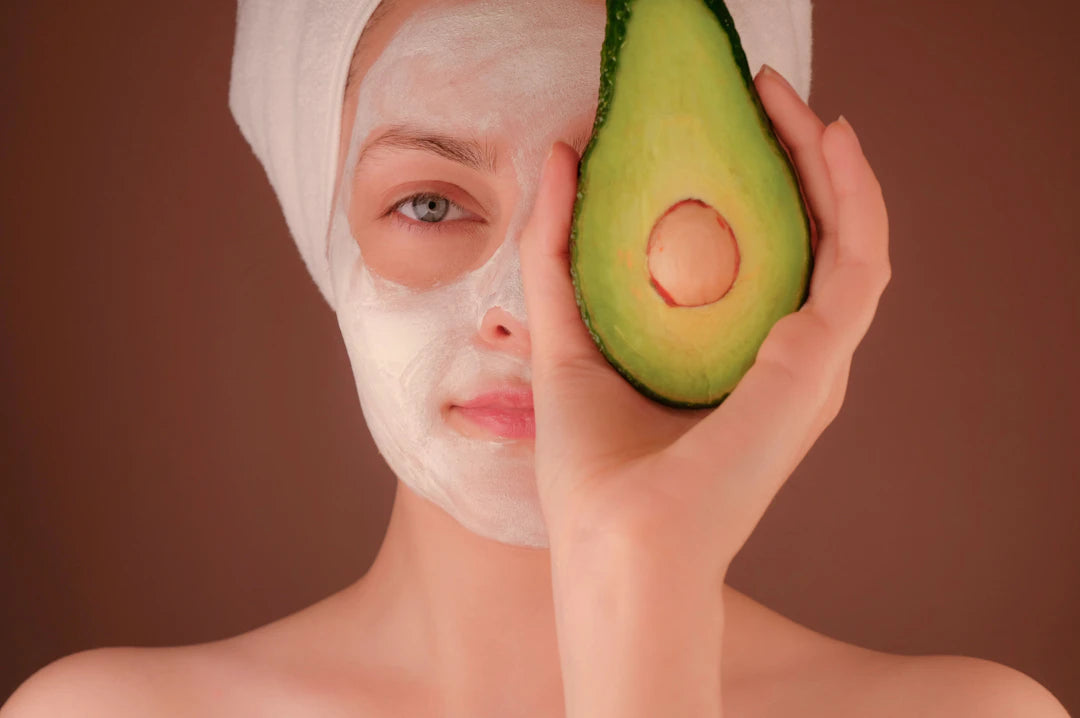
Fact: Healthy fats, like those found in avocados and nuts, are essential for skin health. -
Myth 2: You should always avoid dairy if you have acne.
Fact: While some individuals may have a sensitivity to dairy, it doesn't affect everyone. -
Myth 3: Eating chocolate immediately causes breakouts.
Fact: Chocolate itself doesn’t cause acne; it's more about individual reactions and overall diet.
Note on Genetics and Hormones
While diet plays an essential role in skin health, it’s important to recognize that genetics and hormones also influence skin conditions. Factors such as your family history may predispose you to certain skin issues, so it’s crucial to take a holistic approach that includes diet, skincare, and possibly medical advice if necessary.
Embracing a Skin-Friendly Lifestyle
Incorporating food as part of your skincare routine isn’t just about the short term; it's about creating habits that nourish your body and, in turn, your skin for a lifetime. Combining good nutrition with regular skincare is a beautiful recipe for glowing skin.
Making the Change
To truly see the benefits of diet on your skin, consider making gradual changes rather than drastic ones. Start by incorporating one or two nutrient-rich foods into your meals each week. As you notice improvements in your skin’s appearance and health, you'll be motivated to continue making more positive choices.
Final Thoughts on Achieving Radiant Skin
Your skin deserves the best care possible, both inside and out. By taking charge of your diet and making mindful choices, you nurture not only your skin but your entire body. Embrace the relationship between nutrition and skincare, and you will find yourself on the path to healthier, more vibrant skin. Remember, while beauty oils and creams can enhance your routine, the real transformation starts from within. Cheers to your journey towards radiant skin!
Frequently Asked Questions
1. How does diet affect skin health?
2. What are some key nutrients for healthy skin?
3. What foods should I include for glowing skin?
4. What foods should I avoid to maintain healthy skin?
5. How important is hydration for skin health?
Glossary
| Term | Meaning |
|---|---|
| Vitamin A | Essential for skin repair and promotes cell turnover. |
| Vitamin C | Antioxidant that boosts collagen production and protects skin. |
| Vitamin E | Moisturizes skin and reduces inflammation. |
| Zinc | Mineral important for wound healing and reducing acne. |
| Omega-3 Fatty Acids | Healthy fats that support skin hydration and elasticity. |
| Antioxidants | Compounds that prevent skin damage from oxidative stress. |
| Hydration | Key to maintaining skin elasticity and preventing dryness. |
| Mindful Eating | Being aware of food choices and their effects on your body. |
| Processed Foods | Foods low in nutrients that can lead to skin issues. |
| Skincare Routine | Daily practices to enhance skin health alongside diet. |
Linked Product

Beauty Oil
The Beauty Oil harnesses the antioxidant properties of moringa and sacha oils to hydrate and renew the skin while preventing clogged pores. This blend is designed to address concerns such as premature aging, fine lines, and wrinkles, promoting a revitalized and radiant complexion. It is also suggested to pair well with microdermabrasion for enhanced skin rejuvenation.
View Product