Building a Skin Care Routine for Teens: Starting Young
Overview
Establishing a solid skincare routine during your teenage years is crucial for achieving a healthy complexion in the future. This article guides teens through understanding their skin's unique needs, creating a basic skincare regimen, and addressing common concerns like acne and dryness. Readers will learn the importance of consistency and education in skincare, empowering them to make informed choices that benefit their skin long-term.
Table of Contents
- Understanding Teenage Skin
- Creating a Basic Skin Care Routine
- 1. Cleansing
- 2. Moisturizing
- 3. Sun Protection
- Tailoring Your Routine for Specific Skin Issues
- Acne-Prone Skin Care
- Dealing with Dryness
- Introducing New Products Slowly
- The Importance of Consistency
- Comprehensive Summer Skin Care
- Combining Hydration and Protection
- Skincare Education for Teens
- Get Informed
- Extra Tips for Teen Skin Care
- Celebrating Your Skin Journey
Key Takeaways
- Understand the Changes: Teenage skin undergoes hormonal changes that can lead to increased oil production, acne, and sensitivity.
- Establish a Routine: A basic skincare routine should include cleansing, moisturizing, and sun protection to maintain healthy skin.
- Choose the Right Products: Use gentle, non-comedogenic products tailored to your specific skin concerns, such as salicylic acid for acne.
- Introduce Products Gradually: When starting a new skincare regimen, add products one at a time to monitor skin reactions.
- Stay Consistent: Consistency is key; give your skin time to adjust to new products for optimal results.
- Adjust for Seasons: Modify your routine in summer by using lighter moisturizers and ensuring adequate sun protection.
- Educate Yourself: Learn about your skin type and effective ingredients to make informed skincare choices.
Establishing a solid skin care routine during your teenage years can set the foundation for a healthy, glowing complexion in the future. As a teen, your skin goes through various changes due to hormonal fluctuations, lifestyle, and environmental factors. Understanding how to build an effective skin care routine is essential for managing common concerns like acne-prone skin, oily or dry patches, and signs of aging later in life.
Understanding Teenage Skin
During adolescence, the skin undergoes significant changes largely influenced by hormonal shifts. Teens may experience:
- Increased Oil Production: The sebaceous glands become more active, leading to shinier skin and potential breakouts.
- Acne: Acne can arise due to excess oil, bacteria, and dead skin cells clogging pores.
- Dry and Flaky Skin: Some may experience a lack of moisture, particularly in dry climates or during winter.
- Sun Sensitivity: Skin becomes more sensitive to UV rays, making sun protection more crucial than ever.
Creating a Basic Skin Care Routine
Establishing a basic skin care routine doesn’t have to be complicated. Here’s a simple guide to help you get started:
1. Cleansing
A good cleanser removes dirt, oil, and makeup that can contribute to acne. Opt for a gentle, soap-free cleanser that won’t strip your skin of its natural oils. It’s important to cleanse your face twice a day—once in the morning and once before bed to keep skin fresh.
2. Moisturizing
Even if you have oily skin, moisturizing is essential. Look for a lightweight, non-comedogenic moisturizer that hydrates without clogging pores. This will help maintain your skin's moisture balance and prevent excessive oil production.
3. Sun Protection
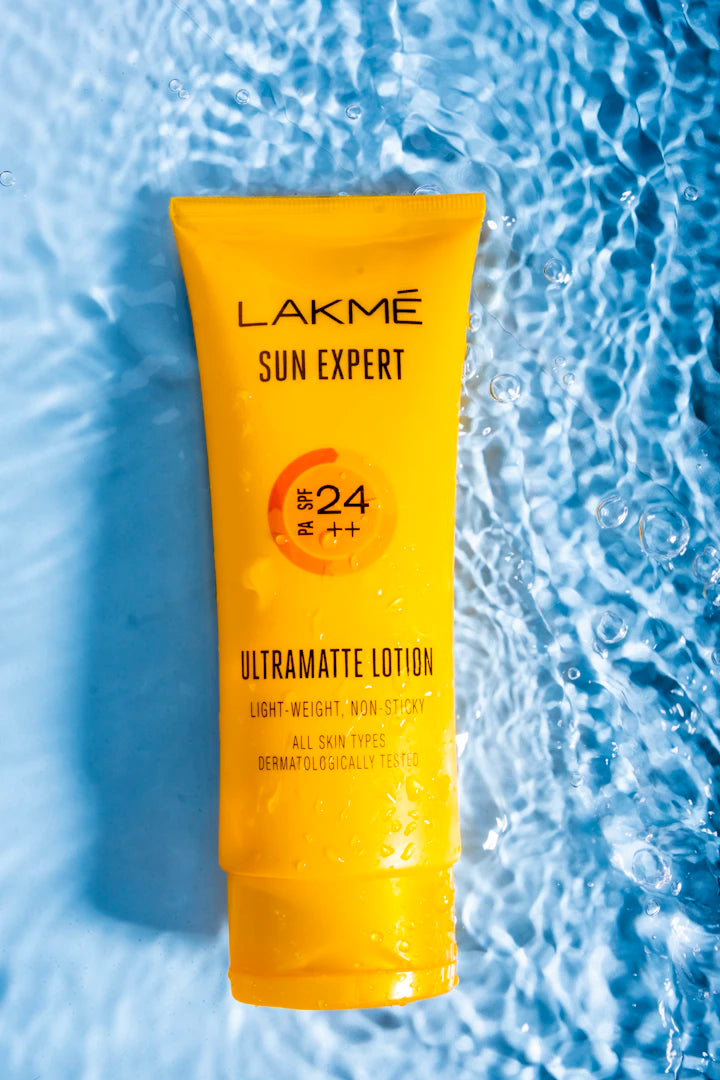
Daily sun protection is vital, even on cloudy days. A broad-spectrum SPF of 30 or higher protects against UVA and UVB rays without being heavy or greasy. This not only prevents sunburn but also protects against premature aging, making it an essential part of any antiaging strategy.
Tailoring Your Routine for Specific Skin Issues
As a teen, you may have unique skin concerns that require attention. Here are some tips for addressing common issues:
Acne-Prone Skin Care
For those dealing with acne, selecting the right products is key. Incorporate:
- Salicylic Acid: This ingredient helps to unclog pores and reduce inflammation.
- Non-Comedogenic Products: Always choose makeup and skincare labeled as non-comedogenic to avoid pore blockage.
- Spot Treatments: Use targeted treatments with benzoyl peroxide or tea tree oil for active breakouts.
Dealing with Dryness
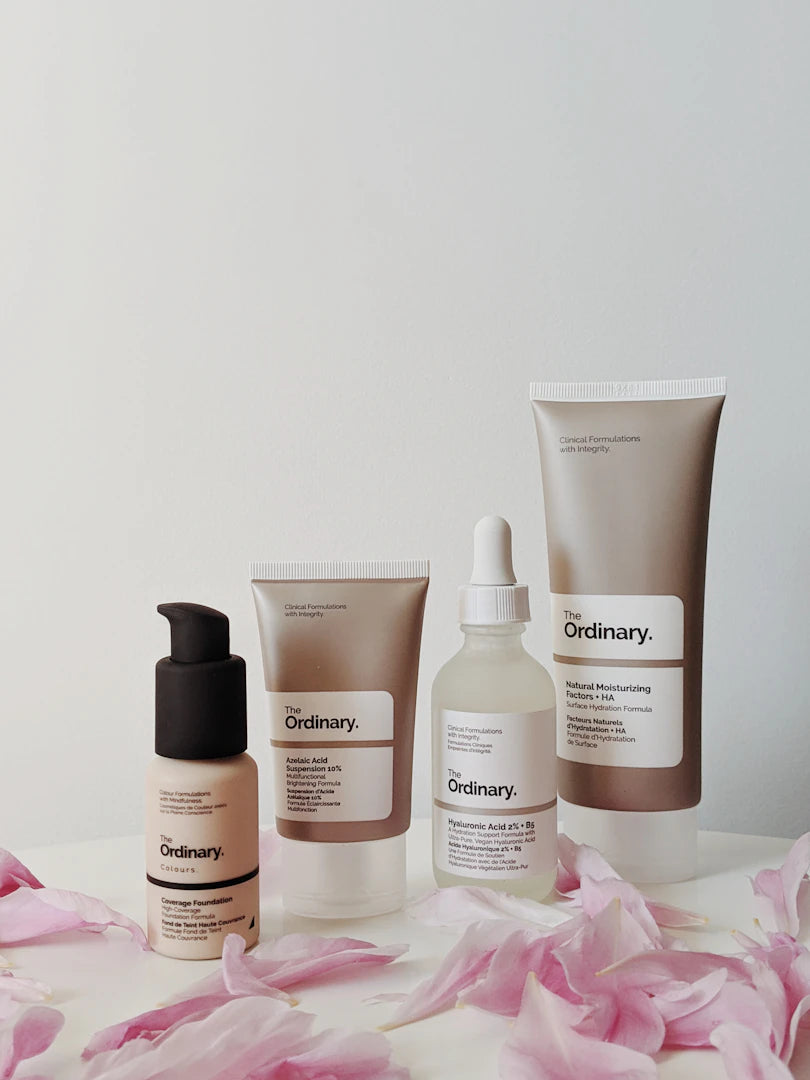
If your skin tends to be on the drier side, look for hydrating products. A serum rich in hyaluronic acid can be incredibly beneficial. This ingredient helps retain moisture in your skin, making it feel plump and hydrated.
Introducing New Products Slowly
When starting a new skin care routine, it’s wise to introduce products one at a time. This allows you to monitor how your skin reacts and identify any potential irritations. If you’re opting to try a hydrating serum or a new sunscreen, wait at least a week before adding another product to your regimen.
The Importance of Consistency
Your skin won’t transform overnight, and it’s crucial to stay consistent with your routine. Give your skin a few weeks to adjust to new products before expecting results. Moreover, adopting these habits early can significantly impact long-term skin health and help prevent issues associated with aging.
Comprehensive Summer Skin Care
As summer approaches, your skin care needs may shift. The heat and humidity can lead to increased sweat and oil production. Here’s how to adjust your routine:
- Consider switching to lighter moisturizers to avoid feeling greasy.
- Stay hydrated! Drinking plenty of water helps maintain your skin’s hydration.
- Don't skip sunscreen. Use a lightweight, oil-free formulation to protect your skin without weighing it down.
Combining Hydration and Protection
This summer, consider a skin care strategy that hydrates while protecting. For instance, combining a hyaluronic acid serum with a broad-spectrum SPF can be an effective way to ensure your skin remains hydrated while defending against damaging UV rays. Such combinations not only rejuvenate your skin but also create a protective barrier, making them a must in any skin care routine.
Skincare Education for Teens
Understanding your skin and its needs can be a game changer. Take the time to educate yourself on different skin types, common problems, and effective ingredients. Knowledge helps dispel myths and encourages a thoughtful approach to skin care.
Get Informed
Follow reputable skin care blogs, Derm-approved sites, or speak with a dermatologist if you have concerns about your skin type. Engaging with quality content builds a knowledge base that empowers you to make better choices.
Extra Tips for Teen Skin Care
- Be Gentle: Avoid scrubbing your skin too hard, as this can cause irritation and worsen breakouts.
- Healthy Diet: Eat a balanced diet rich in fruits, vegetables, and healthy fats to nourish your skin from the inside out.
- Stay Stress-Free: High-stress levels can cause breakouts. Promote relaxation through hobbies, exercise, or mindfulness practices.
Celebrating Your Skin Journey
Building a skin care routine is not just about addressing current issues but also about celebrating your skin’s journey and progress. As you develop your routine, pay attention to how your skin feels and responds. Every step taken is a step toward achieving healthier, more radiant skin. Enjoy this time of exploration and growth—it’s the foundation for your future skin care regimen!
Whether you're battling acne or striving to maintain hydration, staying informed and consistent will set you on the path to success. By starting young, you’re making a wise investment in your skin’s future. So go ahead, embrace the journey, and love the skin you’re in!
Frequently Asked Questions
1. Why is establishing a skin care routine important for teenagers?
2. What are the main changes that teenage skin goes through?
3. What basic steps should be included in a teenage skin care routine?
4. How can teens address specific skin issues like acne or dryness?
5. What should teens do when introducing new skin care products?
Glossary
| Term | Meaning |
|---|---|
| Acne | A skin condition caused by clogged pores, often due to excess oil and bacteria. |
| Moisturizer | A product that hydrates the skin and helps maintain moisture balance. |
| SPF | Sun Protection Factor, a measure of how well a sunscreen protects against UV rays. |
| Non-Comedogenic | Products formulated to not clog pores, reducing the risk of acne. |
| Hyaluronic Acid | A hydrating ingredient that helps retain moisture in the skin. |
| Salicylic Acid | An ingredient that helps unclog pores and reduce acne inflammation. |
| Spot Treatment | A targeted product used to treat specific areas of breakouts. |
| Hydration | The process of maintaining moisture levels in the skin. |
| Consistency | Sticking to a regular skin care routine for optimal results. |
| Sebaceous Glands | Glands in the skin that produce oil, influencing skin texture and appearance. |
Linked Product

Hydrate & Protect Bundle
The Hydrate & Protect Bundle pairs the Water Molecule hyaluronic acid serum with EltaMD UV Clear Broad-Spectrum SPF 46, providing a comprehensive skincare solution for summer. The serum helps to replenish moisture and combat transepidermal water loss, while the SPF offers lightweight sun protection suitable for sensitive and acne-prone skin. Together, they ensure your skin remains hydrated and safeguarded against UV rays throughout the season.
View Product