Mastering Acne Care and Prevention for Flawless Skin
Overview
Dealing with acne can be tough at any age, but understanding its causes and establishing a consistent skincare routine can help. Key factors include hormonal changes, excess oil, bacteria, and diet. Effective management involves gentle cleansing, regular exfoliation, moisturization, targeted spot treatments, and sunscreen. Natural remedies like tea tree oil and aloe vera can provide relief. A balanced diet, hydration, and stress management are crucial for healthy skin. For severe cases, professional treatments like chemical peels and prescription medications may be necessary. Consistency is key for achieving clear skin.
Table of Contents
- Understanding Acne: What Causes It?
- Comprehensive Care Regimen for Acne
- 1. Gentle Cleansing
- 2. Exfoliation
- 3. Moisturization
- 4. Spot Treatments
- 5. Sunscreen
- Natural Remedies for Acne
- Diet and Lifestyle Considerations
- Nutrition for Healthy Skin
- Hydration is Key
- Stress Management
- Professional Treatments for Acne
- Chemical Peels
- Laser Therapy
- Prescription Medications
- Staying Committed to Your Routine
Key Takeaways
- Understand the Causes: Recognize that hormonal changes, excess oil production, bacteria, clogged pores, diet, and stress all contribute to acne.
- Establish a Skincare Routine: Follow a regimen that includes gentle cleansing, regular exfoliation, moisturization, spot treatments, and sunscreen.
- Incorporate Natural Remedies: Consider using tea tree oil, aloe vera, honey, and green tea as natural treatments for acne relief.
- Focus on Nutrition: Maintain a balanced diet rich in fruits, vegetables, healthy fats, and whole grains to support skin health.
- Stay Hydrated: Drink at least eight glasses of water daily to keep your skin moisturized and help flush out toxins.
- Consider Professional Treatments: Explore options like chemical peels, laser therapy, or prescription medications if over-the-counter solutions are ineffective.
- Commit to Consistency: Create a schedule, keep products organized, and track your progress to maintain your skincare routine effectively.
Dealing with acne can be challenging for people of all ages. The struggle with breakouts, blemishes, and irritation often leads many on a quest for effective solutions. In this comprehensive guide, we'll explore various aspects of acne care and prevention, helping you understand the factors that contribute to acne, the best practices for management, and some treatments that can be beneficial for your skin. Say goodbye to those uninvited guests on your skin and hello to a clearer, healthier complexion!
Understanding Acne: What Causes It?
Acne is not just a teenager's concern; it can affect individuals at any life stage. Understanding the root causes can help in creating effective strategies for prevention and treatment. Here are some common factors that contribute to acne:
- Hormonal Changes: Fluctuations in hormone levels, especially during puberty, menstruation, and pregnancy, can lead to increased oil production in the skin.
- Excess Oil Production: Overactive glands can create an oily environment, which can clog hair follicles.
- Bacteria: The presence of certain bacteria can exacerbate acne, leading to inflammation and breakouts.
- Pores Clogging: Dead skin cells can accumulate in pores and mix with oil, resulting in the formation of blackheads and whiteheads.
- Diet: Foods high in sugar and dairy have been linked to acne in some individuals.
- Stress: Increased stress levels can lead to hormonal fluctuations, which can exacerbate acne.
Comprehensive Care Regimen for Acne
To achieve clear and radiant skin, it's essential to establish a daily skincare regimen focusing on prevention and treatment. Here’s an effective routine you can follow:
1. Gentle Cleansing
Start your routine with a gentle cleanser that won’t strip your skin of its natural oils. Look for products that contain salicylic acid or glycolic acid as they can help in unclogging pores and reducing the appearance of blemishes.
2. Exfoliation
Regular exfoliation is crucial for acne-prone skin as it removes dead skin cells. You can opt for chemical peels or gentle exfoliants that can help rejuvenate your skin without causing irritation. Be cautious not to over-exfoliate, as this can lead to redness and make acne worse.
3. Moisturization
Even if your skin is oily, it’s essential to keep it hydrated. Use a lightweight, non-comedogenic moisturizer to balance oil production and prevent dry patches.
4. Spot Treatments
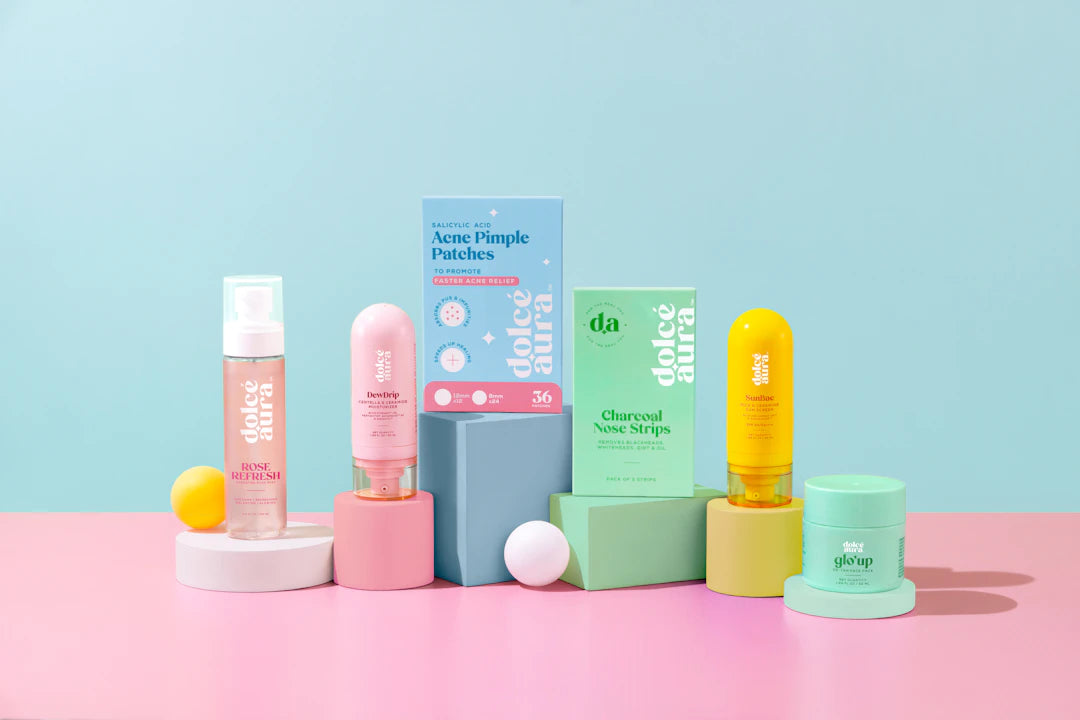
Incorporate spot treatments containing benzoyl peroxide or salicylic acid to target specific areas when a breakout occurs. These ingredients can help reduce inflammation and kill acne-causing bacteria.
5. Sunscreen
Protecting your skin from UV rays is vital. Look for a non-comedogenic sunscreen that fits well into your routine without causing breakouts. An antiaging product with SPF can offer dual benefits: protecting from sun damage and preventing premature aging.
Natural Remedies for Acne
If you prefer a more natural approach, there are several remedies that might provide relief from acne:
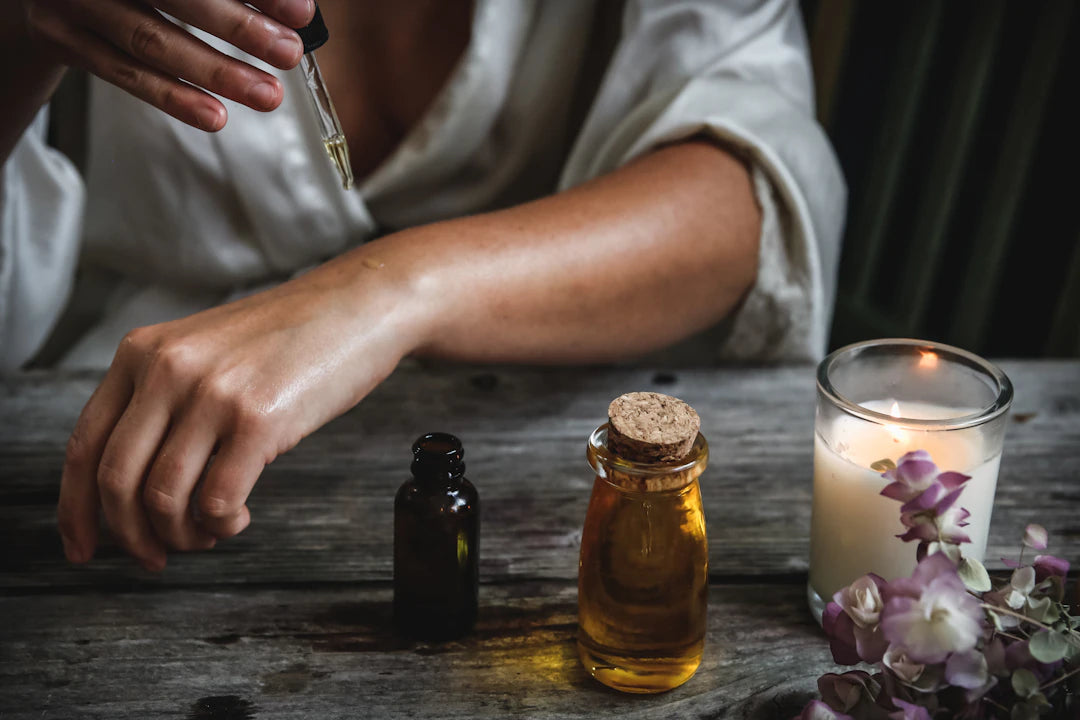
- Tea Tree Oil: Known for its antibacterial properties, tea tree oil can help reduce acne when diluted with a carrier oil.
- Aloe Vera: This soothing plant has anti-inflammatory properties, which can calm red and inflamed skin.
- Honey: Raw honey is a natural antibacterial and can be used as a mask to help reduce acne.
- Green Tea: Rich in antioxidants, green tea can be consumed or applied topically to soothe the skin and reduce oiliness.
Diet and Lifestyle Considerations
Aside from topical treatments, what you eat and how you live can greatly influence your skin's health. Here are some considerations:
Nutrition for Healthy Skin
A balanced diet rich in vitamins and minerals can help support clear skin. Consider incorporating the following into your regular meals:
- Fruits and Vegetables: Foods high in antioxidants, such as berries, spinach, and bell peppers, can help fight free radicals.
- Healthy Fats: Omega-3 fatty acids found in fish, nuts, and seeds can help regulate oil production in the skin.
- Whole Grains: Opt for whole grains over refined carbohydrates to maintain stable blood sugar levels.
Hydration is Key
Drinking plenty of water is fundamental for overall skin health. Staying hydrated helps to keep your skin moisturized and eliminate toxins that can contribute to breakouts. Aim for at least eight glasses of water a day to flush out impurities.
Stress Management
Adopting stress-reducing techniques like yoga, meditation, or regular exercise can greatly impact your skin's appearance. When you're less stressed, your body produces fewer stress hormones, leading to reduced oil production and fewer breakouts.
Professional Treatments for Acne
In addition to at-home care and natural remedies, there are professional treatments available that can enhance your battle against acne. Depending on the severity of your condition, consider these options:
Chemical Peels
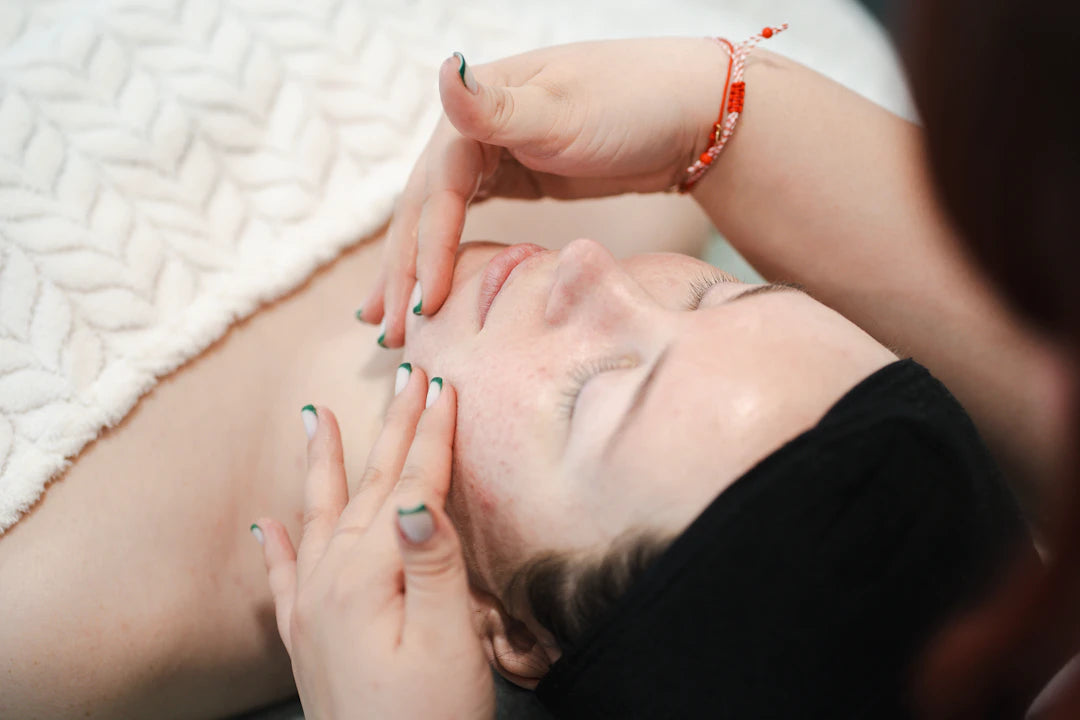
Chemical peels involve applying a chemical solution to the skin to exfoliate the outer layers, promoting the growth of new, healthier skin. These treatments can significantly help with acne scars and skin texture, making them beneficial for long-term antiaging and skincare goals.
Laser Therapy
Laser treatments can target the deeper layers of skin to reduce oil production and the appearance of acne scars. Consulting with a dermatologist can help you understand which type of laser treatment is right for you. These procedures can provide lasting results and promote overall skin health.
Prescription Medications
If over-the-counter remedies aren’t effective, it may be time to consult a dermatologist for prescription options. Medications such as isotretinoin or certain antibiotics can help in severe cases. Always follow your doctor’s advice and guidance when considering medications.
Staying Committed to Your Routine
Consistency is vital for achieving and maintaining clear skin. Here are some tips to ensure you stay on track:
- Create a Schedule: Set specific times for your skincare routine, making it easier to incorporate.
- Keep Your Products Organized: Ensure that all your skincare products are easily accessible to encourage daily use.
- Track Your Progress: Take before and after photos to notice improvements over time, motivating you to stick with your regimen.
Dealing with acne is a journey that requires patience, understanding, and commitment. Whether it's through maintaining a consistent skincare routine, exploring natural remedies, or seeking professional treatments, the path to clear skin is within reach. Embrace the process, and soon, you’ll find yourself glowing with confidence!
Foster Your Glow and Shine Bright Every Day!
Frequently Asked Questions
1. What causes acne?
2. What is a comprehensive care regimen for acne?
3. Are there natural remedies for acne?
4. How can diet and lifestyle impact acne?
5. What professional treatments are available for acne?
Glossary
| Term | Meaning |
|---|---|
| Acne | A skin condition characterized by breakouts and blemishes. |
| Hormonal Changes | Fluctuations in hormones that can trigger increased oil production. |
| Exfoliation | The process of removing dead skin cells to improve skin texture. |
| Non-comedogenic | Products that do not clog pores, reducing the risk of breakouts. |
| Spot Treatment | Targeted application of products to reduce specific breakouts. |
| Chemical Peel | A treatment using chemicals to exfoliate and improve skin appearance. |
| Laser Therapy | A treatment using lasers to reduce oil production and scars. |
| Hydration | Maintaining adequate moisture in the skin for overall health. |
| Antioxidants | Compounds that help combat free radicals and promote skin health. |
| Stress Management | Techniques to reduce stress, which can improve skin condition. |
Linked Product

Chemical Peel
The Chemical Peel pads offer a convenient at-home solution for deep cleansing and exfoliation. Formulated with salicylic and glycolic acid, they help refine pores and promote natural cell turnover. Regular use can contribute to smoother, more radiant skin while effectively addressing blemishes.
View Product