The Impact of Diet on Your Skin Health: The Secret Unveiled
Overview
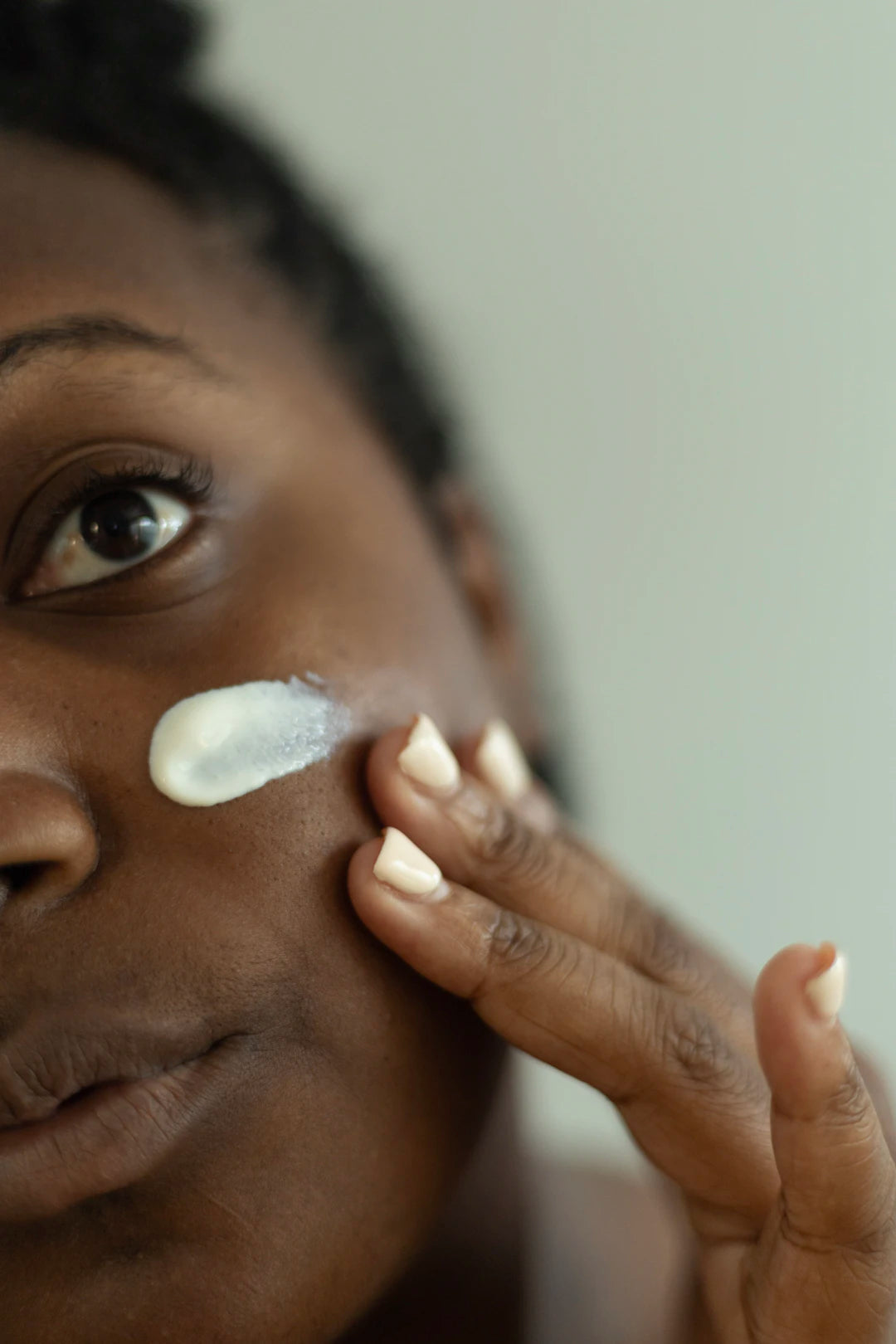
Your diet significantly impacts your skin health; a balanced intake of vitamins, antioxidants, and healthy fats promotes a radiant complexion, while processed foods and sugars can cause issues like acne and wrinkles. Hydration, nutrient-rich foods like moringa oil, and maintaining a holistic lifestyle with stress management and quality sleep are essential for optimal skin health. Embrace whole foods and mindful choices for vibrant skin.
Table of Contents
- The Skin-Diet Connection
- The Role of Hydration
- Elements That Make a Difference
- Antioxidants
- Omega-3 Fatty Acids
- Vitamins for Vitality
- Foods to Avoid for Healthy Skin
- Whole Foods for the Win
- Integrating Moringa Oil into Your Routine
- How to Use Moringa Oil
- Unlocking the Secrets of Anti-Wrinkle Nutrition
- The Power of Collagen
- Herbs and Spices for Skin Health
- The Holistic Approach to Skin Care
- The Importance of Sleep
- Embrace a Healthier You
Key Takeaways
- Your diet significantly impacts your skin health. A balanced intake of vitamins, minerals, and healthy fats promotes a vibrant complexion.
- Hydration is key. Aim for at least eight glasses of water daily and consume hydrating foods like watermelon and cucumber.
- Incorporate antioxidants. Foods rich in antioxidants, such as berries and leafy greens, can enhance skin clarity and texture.
- Omega-3 fatty acids are essential. Include sources like salmon and flaxseeds to maintain the skin's lipid barrier and moisture.
- Be mindful of foods to avoid. Limit sugary and processed foods, as they can lead to skin issues like acne and premature aging.
- Moringa oil is beneficial. Use it both topically and as a dietary supplement for hydration and anti-aging effects.
- Prioritize sleep and stress management. Quality sleep and stress-relief techniques are crucial for maintaining healthy skin.
Your skin is often one of the first places to show signs of aging, stress, and general health. The age-old saying “you are what you eat” holds significant truth when it comes to skin health. While topical solutions and creams are essential for maintaining a radiant complexion, what’s happening on the inside matters just as much, if not more. In this article, we'll explore how your diet can impact your skin health and discuss powerful elements like moringa oil and anti-wrinkle benefits from various nutrients.
The Skin-Diet Connection
Our skin reflects our overall health, meaning our diet has a direct influence on its appearance and condition. A balanced diet rich in vitamins, minerals, antioxidants, and healthy fats can contribute significantly to vibrant skin. Conversely, a diet high in processed foods, sugars, and unhealthy fats can lead to common skin issues like acne, wrinkles, and premature aging.
The Role of Hydration
Hydration is crucial for skin health. Water helps maintain skin moisture, supporting elasticity and reducing dryness. Aim to consume at least eight glasses of water a day, and include hydrating foods like watermelon, cucumber, and oranges in your diet. Herbal teas can also be a fantastic way to ensure you're getting enough hydration.
Elements That Make a Difference
Here’s a closer look at essential nutrients and their effects on skin health:
Antioxidants
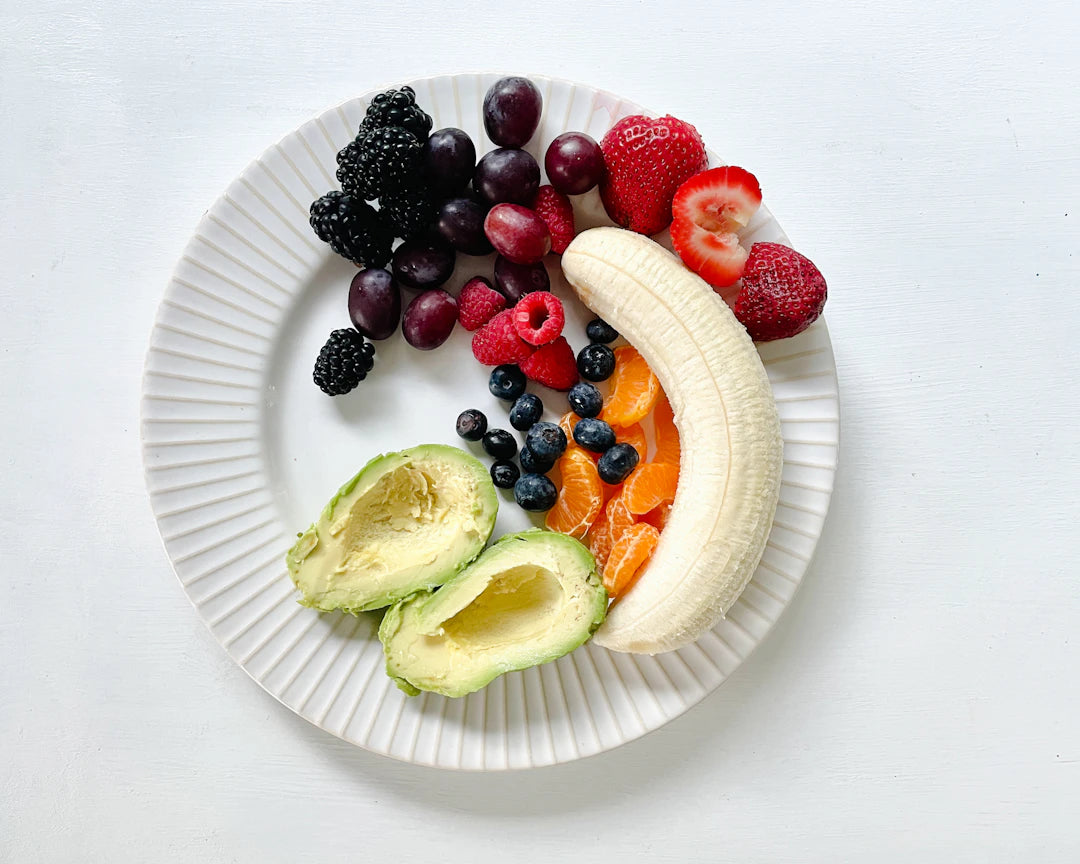
Antioxidants are critical in fighting free radicals that cause skin damage. Foods rich in antioxidants, such as berries, nuts, and leafy greens, can help enhance your skin's appearance and ward off aging signs. Incorporating these foods into your daily diet can lead to noticeable benefits in skin clarity and texture.
Omega-3 Fatty Acids
Healthy fats are your skin's best friends. Omega-3 fatty acids, in particular, help maintain the skin's lipid barrier, which is essential for keeping moisture in and irritants out. Foods like salmon, flaxseeds, and walnuts should be staples in your diet for their skin-loving benefits. Moringa oil, derived from the moringa tree, is another powerful source of fatty acids that may contribute to skin hydration and overall health.
Vitamins for Vitality
- Vitamin C: This vitamin is essential for collagen production, offering anti-wrinkle benefits and helping reduce fine lines. You can find it in citrus fruits, bell peppers, and strawberries.
- Vitamin E: Known for its skin-soothing properties, Vitamin E protects against sun damage. Nuts, seeds, and green leafy vegetables are rich sources.
- Vitamin A: Critical for skin cell production and repair, Vitamin A can be found in carrots, sweet potatoes, and dark leafy greens.
Foods to Avoid for Healthy Skin
Just as important as knowing what to eat is being aware of what to avoid. Here are some common dietary culprits that can sabotage your skin health:
- Sugary Foods: High sugar intake can lead to inflammation and may exacerbate skin conditions like acne.
- Processed Foods: These often contain unhealthy fats and additives that can contribute to breakouts and premature aging.
- Dairy Products: For some individuals, dairy can lead to increased oil production and acne. Monitor how your skin reacts after consuming dairy.
Whole Foods for the Win
Incorporating a diet rich in whole foods is key to a glowing complexion. Fill your plate with a variety of fruits, vegetables, lean proteins, and whole grains. These foods not only nourish your skin but also help maintain overall health, boosting your confidence and natural beauty.
Integrating Moringa Oil into Your Routine
Moringa oil should be a staple in your skincare arsenal due to its numerous benefits. Known for its hydrating properties, moringa oil helps combat dryness while promoting a clearer complexion. Additionally, it contains high levels of antioxidants, aiding in the reduction of signs of aging such as wrinkles. Including moringa oil in your diet can support skin health from the inside out, enhancing the results you see from topical applications.
How to Use Moringa Oil
There are various ways to incorporate moringa oil into your routine:
- As a Dietary Supplement: Add a few drops of moringa oil to smoothies or salads. Its subtle flavor and nutrient profile make it a versatile ingredient.
- Topical Application: Use moringa oil as a facial moisturizer or mixing it into lotions for added hydration. It's particularly effective for those with dry or sensitive skin.
- Hair Health: Don't forget your hair! Moringa oil can be beneficial for dry, brittle hair. Massage it into your scalp for hydration and nourishment.
Unlocking the Secrets of Anti-Wrinkle Nutrition
Understanding how diet affects your skin can open doors to better skin health. Beyond just hydrating your skin, certain foods have been shown to help combat the appearance of fine lines and wrinkles.
The Power of Collagen
Collagen is essential for maintaining skin elasticity and youthful appearance. Consuming collagen-rich foods like bone broth, or perhaps using collagen supplementation, can significantly enhance your skin’s health. Additionally, nutrients such as Vitamin C play a pivotal role in collagen synthesis, making it equally important to include Vitamin C-rich foods as noted earlier.
Herbs and Spices for Skin Health
Herbs and spices can work wonders for your skin! Incorporating turmeric, ginger, and cinnamon can provide your body with anti-inflammatory properties that help battle skin inflammation and boost circulation, leading to a healthier complexion.
The Holistic Approach to Skin Care
For optimal skin health, treat your approach holistically. Consider not only your dietary choices but also lifestyle factors such as stress management, exercise, and sleep quality. Stress can manifest in your skin; practice stress-relief techniques like yoga, meditation, or simply spending time in nature to keep that glow.
The Importance of Sleep
Getting sufficient rest is an essential pillar for skin health. While you sleep, your body repairs itself, including your skin. Prioritize sleep hygiene for better skin health and overall well-being. Aim for 7-9 hours of quality sleep each night to keep your skin looking refreshed and radiant.
Embrace a Healthier You
Your skin health is a direct reflection of your inner wellness. By making mindful dietary choices and integrating powerful oils like moringa oil into your routine, you can achieve a lifeline of vitality and radiance. Embrace nourishing foods, steer clear of harmful ingredients, and realize that true beauty begins from within.
Unlock the potential of your skin through a balanced diet, hydration, and holistic care. It's time to embrace the vibrant, healthy skin you deserve—your journey to skin wellness starts now!
Frequently Asked Questions
1. How does my diet affect my skin health?
2. What role does hydration play in skin health?
3. What are some essential nutrients for healthy skin?
4. What foods should I avoid for better skin health?
5. How can I incorporate moringa oil into my skincare routine?
Glossary
| Term | Meaning |
|---|---|
| Antioxidants | Substances that fight free radicals, protecting skin from damage. |
| Omega-3 Fatty Acids | Healthy fats that maintain skin moisture and barrier function. |
| Moringa Oil | A nutrient-rich oil that hydrates and nourishes the skin. |
| Vitamin C | Essential for collagen production and reducing fine lines. |
| Processed Foods | Foods high in unhealthy fats and additives that can harm skin health. |
| Hydration | The process of maintaining moisture levels in the skin. |
| Collagen | A protein vital for skin elasticity and youthful appearance. |
| Whole Foods | Unprocessed foods rich in nutrients that support overall health. |
| Herbs and Spices | Natural ingredients that provide anti-inflammatory benefits for skin. |
| Sleep Hygiene | Practices that promote quality sleep for better skin health. |
Linked Product

Beauty Oil
The Beauty Oil features a blend of antioxidant-rich moringa and sacha oils, designed to hydrate, repair, and renew skin without clogging pores. This product helps combat premature aging, fine lines, and wrinkles, promoting a revitalized and radiant complexion. It is also noted to pair well with microdermabrasion for enhanced results.
View Product