Unveil Radiant Skin: Exfoliation Techniques You Need

Overview
Elevate your skincare routine by incorporating effective exfoliation techniques that can rejuvenate your skin and enhance its texture. Whether you're dealing with dullness, fine lines, or acne, understanding the right methods and products can lead to a radiant, youthful complexion. Discover how to choose the best exfoliation approach for your skin type and achieve lasting results.
Table of Contents
- Understanding Exfoliation and Its Importance
- Discovering Various Exfoliation Techniques
- Physical Exfoliation
- Chemical Exfoliation
- Finding the Right Exfoliation Products
- Identify Your Skin Type
- Incorporating Exfoliation into Your Routine
- The Transformative Benefits of Exfoliation
- Brightens Dull Skin
- Reduces Fine Lines and Wrinkles
- Minimizes Pore Size
- Improves Product Absorption
- Common Mistakes to Avoid When Exfoliating
- Over-Exfoliating
- Neglecting Sun Protection
- Ignoring Ingredient Labels
- Get Ready for Your Glow-Up!
Key Takeaways
- Exfoliation is essential for removing dead skin cells, promoting natural cell turnover, and rejuvenating your skin.
- Two primary exfoliation techniques include physical exfoliation (scrubs, brushes) and chemical exfoliation (AHAs and BHAs).
- Choose products based on your skin type: Use salicylic acid for oily skin, AHAs like glycolic acid for dry skin, and mild options for sensitive skin.
- Incorporate exfoliation into your routine 1-3 times per week, depending on your skin type and method.
- Always follow exfoliation with hydration to replenish moisture and enhance results.
- Be cautious of over-exfoliating to avoid irritation and dryness, and always use sunscreen after exfoliating.
- Regular exfoliation can brighten skin, reduce fine lines, minimize pores, and improve product absorption.
If you're looking to elevate your skincare routine to new heights, incorporating exfoliation is a game-changer. Exfoliation techniques can dramatically transform the appearance and texture of your skin, unveiling a radiant and youthful glow. Whether you're struggling with dullness, fine lines, or acne-related blemishes, understanding the benefits of exfoliation can help you achieve a beautiful, healthy complexion. In this article, we will delve into the significance of exfoliation, various techniques you can use, and the best exfoliation products to consider, ensuring that you take your skincare regimen to the next level.
Understanding Exfoliation and Its Importance
Exfoliation is the process of removing dead skin cells from the surface of your skin. It's an essential aspect of skincare that promotes natural cell turnover, allowing your skin to regenerate effectively. Over time, dead skin cells can accumulate, leading to dullness, uneven texture, and even clogged pores. This buildup can exacerbate various skin concerns, including acne, dark spots, and fine lines.
Implementing an effective exfoliation routine can rejuvenate your skin. By shedding these dead cells, you allow healthier, younger skin to emerge, which can significantly enhance your overall appearance. The benefits of exfoliation extend beyond aesthetics; they can improve the efficacy of your skincare products as well. By preparing your skin and removing barriers, your serums and moisturizers can penetrate better, providing enhanced results.
Discovering Various Exfoliation Techniques
Before diving into the best exfoliation products, let's explore the various exfoliation techniques available. There are two primary types: physical exfoliation and chemical exfoliation. Each offers unique benefits, so understanding their differences can help you choose the right method for your skin type.
Physical Exfoliation
Physical exfoliation involves manually removing dead skin cells through scrubs, brushes, or tools. This method provides immediate texture improvement and can be customized depending on the granules or abrasiveness of the scrub.
- Sugar Scrubs: These scrubs dissolve easily and can be gentle on the skin, making them suitable for various skin types.
- Sea Salt Scrubs: Sea salt scrubs can be more abrasive, providing a deep exfoliating experience. They are usually best for body care.
- Exfoliating Gloves or Brushes: These tools allow for a gentle yet effective way to slough off dead skin, especially on rougher areas like elbows and knees.
While physical exfoliation can offer instant results, it's essential to use these techniques sparingly to avoid irritation, especially for sensitive skin types.
Chemical Exfoliation
Chemical exfoliation employs alpha hydroxy acids (AHAs) or beta hydroxy acids (BHAs) to dissolve dead skin cells without the need for scrubbing. This method is particularly effective at addressing concerns like acne, fine lines, and pigmentation.
- Alpha Hydroxy Acids (AHAs): These acids, such as glycolic and lactic acid, work best on dry or sun-damaged skin, promoting a more even skin tone.
- Beta Hydroxy Acids (BHAs): Salicylic acid is a common BHA that penetrates oil and is excellent for oily or acne-prone skin, helping to unclog pores.
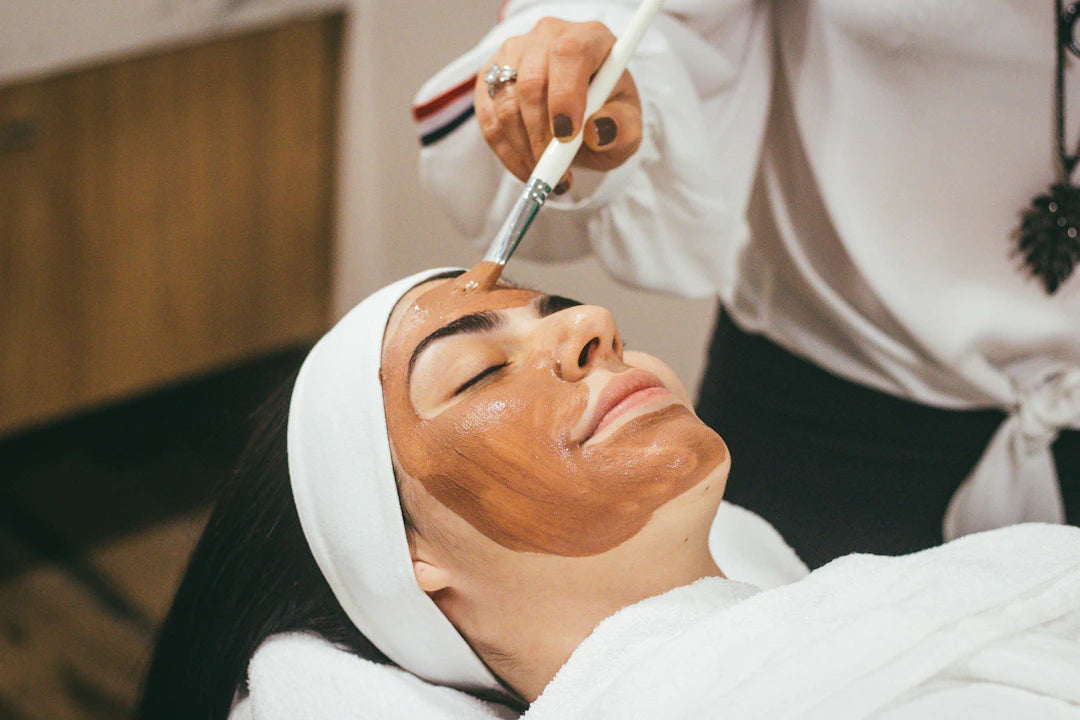
Many people find that incorporating in-office chemical peels, such as those made with a potent blend of salicylic and glycolic acid, can be a beneficial part of their routine. Products like these can help deeply cleanse, exfoliate, and refine pores while promoting natural cell turnover.
Finding the Right Exfoliation Products
With a multitude of exfoliation products available, it can be overwhelming to choose the right ones for your skincare routine. Here are some factors to consider when selecting the best products:
Identify Your Skin Type
Your skin type plays a critical role in the kind of exfoliation techniques you should adopt. Here's a quick guide to help you:
- Oily Skin: Look for exfoliation products containing salicylic acid to effectively manage oiliness and prevent breakouts.
- Dry Skin: Opt for gentle AHAs that promote hydration while exfoliating, such as glycolic acid.
- Sensitive Skin: Consider using mild physical exfoliants or low-concentration chemical peel products to avoid irritation.
Incorporating Exfoliation into Your Routine
Integrating exfoliation into your skincare routine doesn’t have to be complicated. Follow these steps for a successful regimen:
- Frequency: Depending on your skin type and chosen exfoliation method, most skin types benefit from exfoliating 1-3 times per week.
- Patch Testing: Always perform a patch test when trying new products to prevent unwanted reactions.
- Follow Up with Hydration: After exfoliating, it's crucial to apply a hydrating serum or moisturizer to help replenish moisture levels in your skin.
The Transformative Benefits of Exfoliation
Now that we've examined the techniques and products available, let's delve into the benefits of exfoliation in more detail. From improving skin texture to combating various skin concerns, exfoliation is incredibly beneficial.
Brightens Dull Skin
One of the primary benefits of exfoliation is its ability to brighten dull skin. By removing the layer of dead cells, you reveal fresh, new skin that reflects light better, instantly enhancing your complexion and providing a radiant appearance.
Reduces Fine Lines and Wrinkles
Regular exfoliation contributes to stimulating collagen production, which promotes a smoother and firmer skin texture. Over time, this can help reduce the appearance of fine lines and wrinkles, providing youthful skin.
Minimizes Pore Size
Clogged pores are often the culprits behind acne breakouts. Exfoliating helps clear dirt, oil, and dead skin that can lead to larger pores and blemishes. Consistent exfoliation makes your pores appear smaller and helps to maintain clearer skin.
Improves Product Absorption
As mentioned earlier, exfoliating removes barriers on the skin's surface, allowing your serums and moisturizers to penetrate more effectively. This means you can achieve better results from your favorite products.
Common Mistakes to Avoid When Exfoliating
While incorporating exfoliation into your routine can provide significant benefits, it’s important to be aware of common mistakes that can lead to adverse effects on your skin:
Over-Exfoliating
Exfoliating too frequently can strip your skin of its natural oils, leading to irritation and excessive dryness. It can be tempting to exfoliate daily, especially if you're eager for results, but moderation is key.
Neglecting Sun Protection
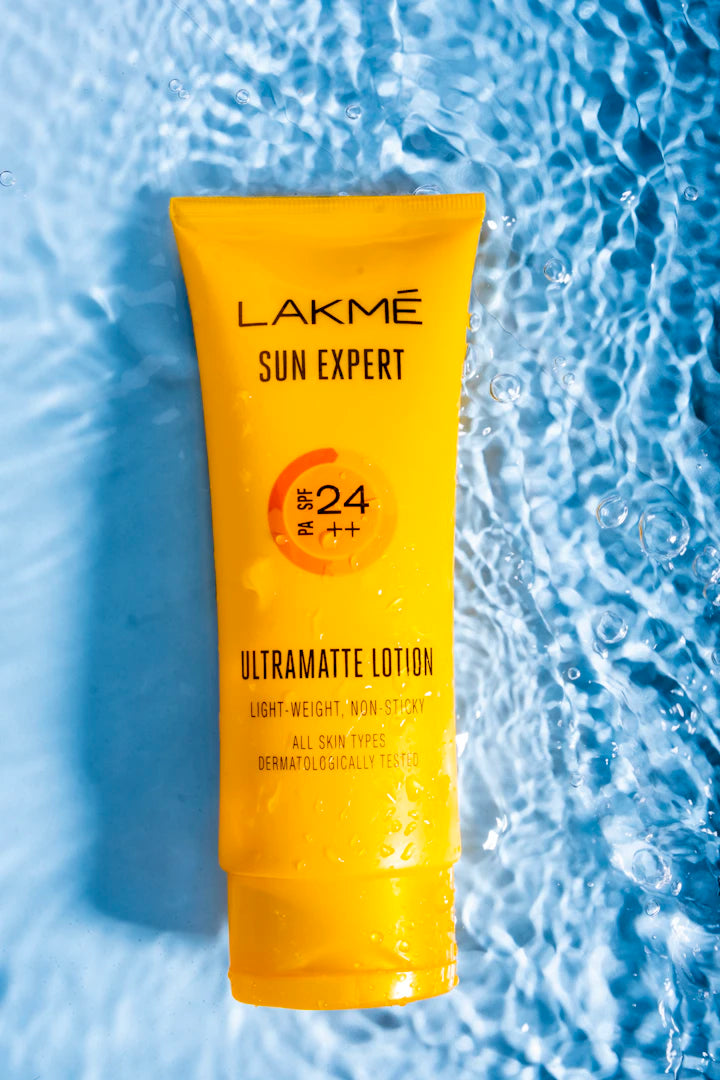
After exfoliating, your skin becomes more sensitive to sunlight. If you skip sunscreen, you may increase the risk of pigmentation and sun damage. Always incorporate a broad-spectrum sunscreen into your routine.
Ignoring Ingredient Labels
Not all exfoliation products are created equal. Avoid products with harsh, synthetic ingredients that can irritate your skin. Look for formulations with gentle yet effective ingredients.
Get Ready for Your Glow-Up!
By now, you should feel empowered to introduce exfoliation into your skincare routine with confidence. Whether you choose physical or chemical methods, exfoliation techniques can transform your skin, revealing its natural beauty while helping to combat common issues like dullness, acne, and fine lines. Understanding the benefits of exfoliation and knowing how to choose the right products tailored to your needs can set you on a path to glowing, radiant skin.
To further enhance your results, remember to stay consistent and mindful with your regimen. Trust the process and, over time, you will enjoy a vibrant, healthy complexion that reflects your inner glow. Visit Skinney to explore our collection of skincare products that can help you on your exfoliation journey!
Frequently Asked Questions
1. What is exfoliation and why is it important for skincare?
2. What are the two primary types of exfoliation techniques?
3. How often should I exfoliate my skin?
4. What should I look for in exfoliation products based on my skin type?
5. What are some common mistakes to avoid when exfoliating?
Glossary
| Term | Meaning |
|---|---|
| Exfoliation | The process of removing dead skin cells to improve skin texture and appearance. |
| Physical Exfoliation | Manual removal of dead skin using scrubs or tools. |
| Chemical Exfoliation | Use of acids like AHAs and BHAs to dissolve dead skin cells. |
| AHAs | Alpha Hydroxy Acids that exfoliate and hydrate, ideal for dry skin. |
| BHAs | Beta Hydroxy Acids that penetrate oil, suitable for oily or acne-prone skin. |
| Patch Testing | Testing a small skin area with a product to check for reactions. |
| Collagen | A protein that helps maintain skin elasticity and firmness. |
| Sun Protection | Using sunscreen to shield skin from UV damage post-exfoliation. |
| Hydration | Applying moisturizers or serums to replenish skin moisture after exfoliation. |
Linked Product

Chemical Peel
The Chemical Peel offers a convenient at-home solution for deep cleansing and exfoliation, utilizing a blend of salicylic and glycolic acid. Designed to refine pores and promote natural cell turnover, these pads help reduce blemishes and enhance skin radiance. For optimal results, they can be paired with Water Molecule Beauty Oil.
View Product