Elevate Your Skin Care Routine with Serums
Overview
Incorporating serums into your skin care routine can transform your complexion by addressing specific concerns like dryness, dullness, and aging. With their concentrated formulas, serums penetrate deeply to deliver powerful ingredients, enhancing the effectiveness of your regimen. Discover how to choose the right serum and seamlessly integrate it into your daily routine for optimal skin health.
Table of Contents
- Understanding the Importance of Serums
- What Makes Serums Different?
- Choosing the Right Serum for Your Needs
- 1. Identify Your Skin Type
- 2. Target Specific Concerns
- 3. Consider the Ingredients
- How to Incorporate Serums into Your Daily Routine
- 1. Cleanse
- 2. Tone (Optional)
- 3. Apply Your Serum
- 4. Moisturize
- 5. Protect
- What to Expect When Using Serums
- Common Mistakes to Avoid
- Revamping Your Skin Care Routine
- 1. Stay Hydrated
- 2. Maintain a Balanced Diet
- 3. Get Enough Sleep
- Celebrate Your Skin's Transformation
Key Takeaways
- Serums are concentrated liquids designed to deliver active ingredients directly into the skin, addressing specific concerns like dryness and aging.
- Serums differ from moisturizers in texture, concentration, and purpose, focusing on targeted skin issues rather than just hydration.
- Choosing the right serum involves identifying your skin type and targeting specific concerns such as fine lines or uneven texture.
- Key ingredients to look for in serums include Vitamin C for brightening, Retinol for anti-aging, and Hyaluronic Acid for hydration.
- Incorporate serums into your routine by cleansing, optionally toning, applying the serum, moisturizing, and using sunscreen during the day.
- Visible improvements from serums may take a few weeks, emphasizing the importance of consistency in your skin care regimen.
- Avoid common mistakes such as skipping patch tests, overloading on products, and neglecting sunscreen to ensure optimal results.
In the world of skin care, staying updated with the latest treatments and techniques is essential for achieving a glowing complexion. One of the most revolutionary discoveries in skin care is the serum, a concentrated liquid that can provide various benefits. When incorporated into your skin care routine, serums can address numerous skin concerns, from dryness and dullness to the visible signs of aging. This article will explore how to effectively integrate serums, such as the Micro Serum, into your daily regimen, helping you achieve optimal skin health.
Understanding the Importance of Serums
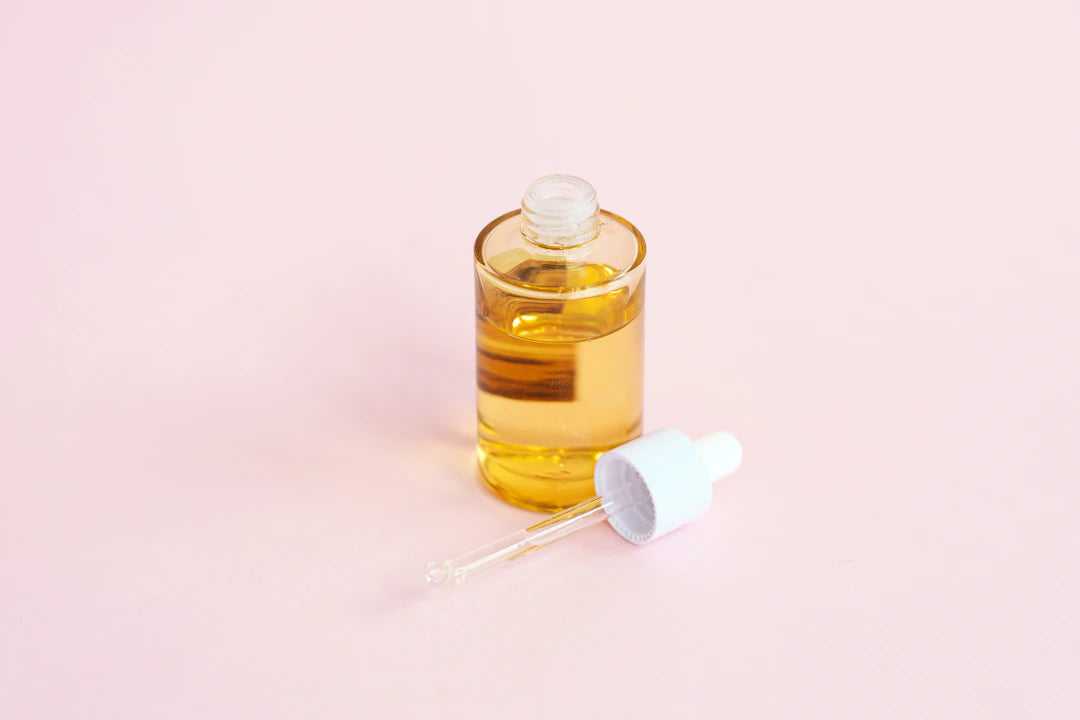
Serums are lightweight, gel-like substances designed to deliver powerful active ingredients directly into the skin. They typically contain a higher concentration of these ingredients than traditional moisturizers. This high potency means that serums can penetrate deeper into the skin's layers, addressing specific concerns like fine lines, wrinkles, and uneven texture. Incorporating a serum into your skin care routine can dramatically enhance the overall effectiveness of your regimen.
What Makes Serums Different?
Unlike moisturizers, which primarily serve to hydrate and protect the skin, serums focus on delivering concentrated ingredients. Here are some key differences:
- Texture: Serums usually have a lighter texture that allows them to absorb quickly and efficiently into the skin.
- Concentration: The active ingredients in serums are often found in higher concentrations than those in moisturizers.
- Purpose: While moisturizers address hydration, serums target specific skin concerns like aging, pigmentation, or acne.
Choosing the Right Serum for Your Needs
With so many serums available, selecting the right one for your skin type and concerns is crucial. Here are some tips to help you make an informed choice:
1. Identify Your Skin Type
Understanding whether your skin is oily, dry, or combination is essential in selecting the perfect serum. For instance, if you have dry skin, look for serums with hydrating ingredients, such as hyaluronic acid.
2. Target Specific Concerns
If you’re concerned about aging, a serum like the Micro Serum offers a sophisticated blend of anti-aging peptides that support collagen and elastin restoration. Look for serums designed to address the issues most relevant to your skin's needs, whether that be dullness, fine lines, or overall texture.
3. Consider the Ingredients
Before purchasing, check the ingredients list. Common beneficial ingredients include:
- Vitamin C: Helps with brightening and combating dullness.
- Retinol: Known for its anti-aging properties.
- Pep peptides: Support collagen synthesis and improve skin elasticity.
- Hyaluronic Acid: A hydrating powerhouse that holds moisture in the skin.
How to Incorporate Serums into Your Daily Routine
Now that you’ve chosen a serum, it’s time to integrate it into your skin care routine. Here’s a step-by-step guide:
1. Cleanse
Start with a clean slate by washing your face with a gentle cleanser. This process removes dirt and impurities, allowing your serum and other products to work more effectively.
2. Tone (Optional)
If you use a toner, apply it after cleansing. This step can help further prep your skin for better absorption of the serum.
3. Apply Your Serum
Dispense a few drops of the serum into your palms and gently pat it onto your face and neck. Ensure even coverage, and focus on areas that may need extra love, such as around the eyes or mouth. Remember that less is more; a small amount of serum can go a long way.
4. Moisturize
After the serum has absorbed, apply your moisturizer to seal in the benefits. This step is crucial, especially if your serum contains potent ingredients that can easily evaporate.
5. Protect
If it’s daytime, don’t forget to apply a broad-spectrum sunscreen. Sun protection is essential to prevent further damage and maintain the results of your serum.
What to Expect When Using Serums
After incorporating serums into your skin care routine, you may notice improvements in your skin within a few weeks. Depending on the serum and your specific skin concerns, the effects can range from improved texture and brightness to reduced fine lines and wrinkles.
However, it's essential to be patient, as visible results take time. Always remember that consistency is key! Use the serum as directed and complement it with other beneficial practices for the best outcomes.
Common Mistakes to Avoid
While incorporating serums into your skin care routine can be highly beneficial, keep these common pitfalls in mind:
- Skipping Patch Tests: Always do a patch test when trying a new serum to ensure your skin doesn’t react negatively.
- Overloading Products: Avoid using multiple serums at once unless they are formulated to work together. This can lead to irritation or an overwhelmed skin barrier.
- Disregarding Sunscreen: Many active ingredients, especially those addressing pigmentation and aging, can increase sun sensitivity. Always apply sunscreen during the day!
Revamping Your Skin Care Routine
Incorporating serums can significantly enhance your skin care routine, but they work best as part of a holistic approach. Here are a few additional tips to help you elevate your regimen further:
1. Stay Hydrated
Drinking plenty of water helps keep your skin hydrated from the inside out, amplifying the effects of topical products.
2. Maintain a Balanced Diet
Your skin reflects what you eat, so focus on a diet rich in vitamins, minerals, and antioxidants. Foods like fruits, vegetables, and healthy fats can improve skin health.
3. Get Enough Sleep
Quality sleep is vital for skin rejuvenation. Aim for 7-9 hours of uninterrupted sleep each night to allow your skin to repair itself.
Celebrate Your Skin's Transformation
Integrating serums into your skin care routine can be the game-changer you've been waiting for. The powerful ingredients in serums like the Micro Serum can target your specific skin concerns effectively. Remember, the journey to glowing skin is not just about applying products—it's about finding what works for you and sticking with it. Happy skin journey!
Frequently Asked Questions
1. What are serums in skincare?
2. How do serums differ from moisturizers?
3. How do I choose the right serum for my skin type?
4. What is the recommended way to incorporate serums into my skincare routine?
5. What common mistakes should I avoid when using serums?
Glossary
| Term | Meaning |
|---|---|
| Serum | A concentrated liquid designed to deliver active ingredients into the skin. |
| Active Ingredients | Components in skin care products that provide specific benefits. |
| Hyaluronic Acid | A powerful humectant that helps retain moisture in the skin. |
| Retinol | A vitamin A derivative known for its anti-aging effects. |
| Peptides | Amino acids that support collagen production and improve skin elasticity. |
| Moisturizer | A product that hydrates and protects the skin. |
| Toner | A liquid applied after cleansing to prep skin for better absorption. |
| Patch Test | A method to check for skin reactions before using a new product. |
| Broad-Spectrum Sunscreen | A sunscreen that protects against both UVA and UVB rays. |
| Skin Regimen | A routine of products and practices aimed at maintaining skin health. |
Linked Product

Micro Serum
The Micro Serum is designed to deliver a high concentration of anti-aging Proprietary Peptides, supporting the restoration of collagen and elastin. This intensive treatment targets various signs of aging, including firmness, elasticity, tone, and texture, making it a valuable addition to your skincare routine.
View Product