Unlock Radiant Skin: The Secrets of Exfoliation
Overview
Exfoliation is essential for achieving a glowing complexion, as it removes dead skin cells and promotes cell turnover. There are two main types: mechanical (scrubs) and chemical (acids). Benefits include brighter skin, unclogged pores, and improved product absorption. Frequency varies by skin type: sensitive skin should exfoliate every two weeks, normal to combination skin once or twice a week, and oily or acne-prone skin twice a week. Always follow with hydration and sunscreen. Tailor your method to your skin type for the best results.
Table of Contents
- Understanding Exfoliation
- Mechanical Exfoliation
- Chemical Exfoliation
- Benefits of Exfoliation
- How Often Should You Exfoliate?
- For Sensitive Skin
- For Normal to Combination Skin
- For Oily or Acne-Prone Skin
- Choosing the Right Exfoliation Method
- Physical Exfoliation
- Chemical Exfoliation
- DIY Exfoliation Methods
- Simple Sugar Scrub
- Oatmeal Mask
- Coffee Scrub
- Post-Exfoliation Care
- Avoid Overdoing It
- Exfoliation for Different Skin Types
- Dry Skin
- Normal Skin
- Oily Skin
- Combination Skin
- Final Thoughts: Embrace Your Exfoliation Journey
Key Takeaways
- Exfoliation is essential for removing dead skin cells, preventing dullness, clogged pores, and uneven texture.
- Two main types of exfoliation: mechanical (using scrubs and brushes) and chemical (using acids like AHAs and BHAs).
- Regular exfoliation brightens skin, unclogs pores, improves product absorption, stimulates cell turnover, and enhances texture.
- Frequency guidelines: Sensitive skin should exfoliate every two weeks; normal skin can do once or twice a week; oily skin may benefit from twice a week.
- Choose the right method: Physical exfoliation suits all skin types, while chemical exfoliation is ideal for oily and acne-prone skin.
- Post-exfoliation care is crucial: Always apply moisturizer and sunscreen after exfoliating to protect and hydrate your skin.
- Avoid over-exfoliating to prevent irritation and increased sensitivity; stick to recommended frequencies for your skin type.
When it comes to achieving a glowing complexion, exfoliation plays a vital role in skincare routines. But what does exfoliation really mean, why is it essential, and how often should you engage in it? In this article, we’ll delve into the unique aspects of exfoliation, including the benefits, the processes involved, and how to tailor it to your specific skin type. Whether you’re a seasoned skincare enthusiast or just starting your journey to healthier skin, understanding exfoliation is crucial.
Understanding Exfoliation
Exfoliation is the process of removing dead skin cells from the surface of your skin. This is important because as our skin naturally regenerates, dead skin cells can accumulate, leading to dullness, clogged pores, and uneven texture. There are two main types of exfoliation: mechanical and chemical.
Mechanical Exfoliation
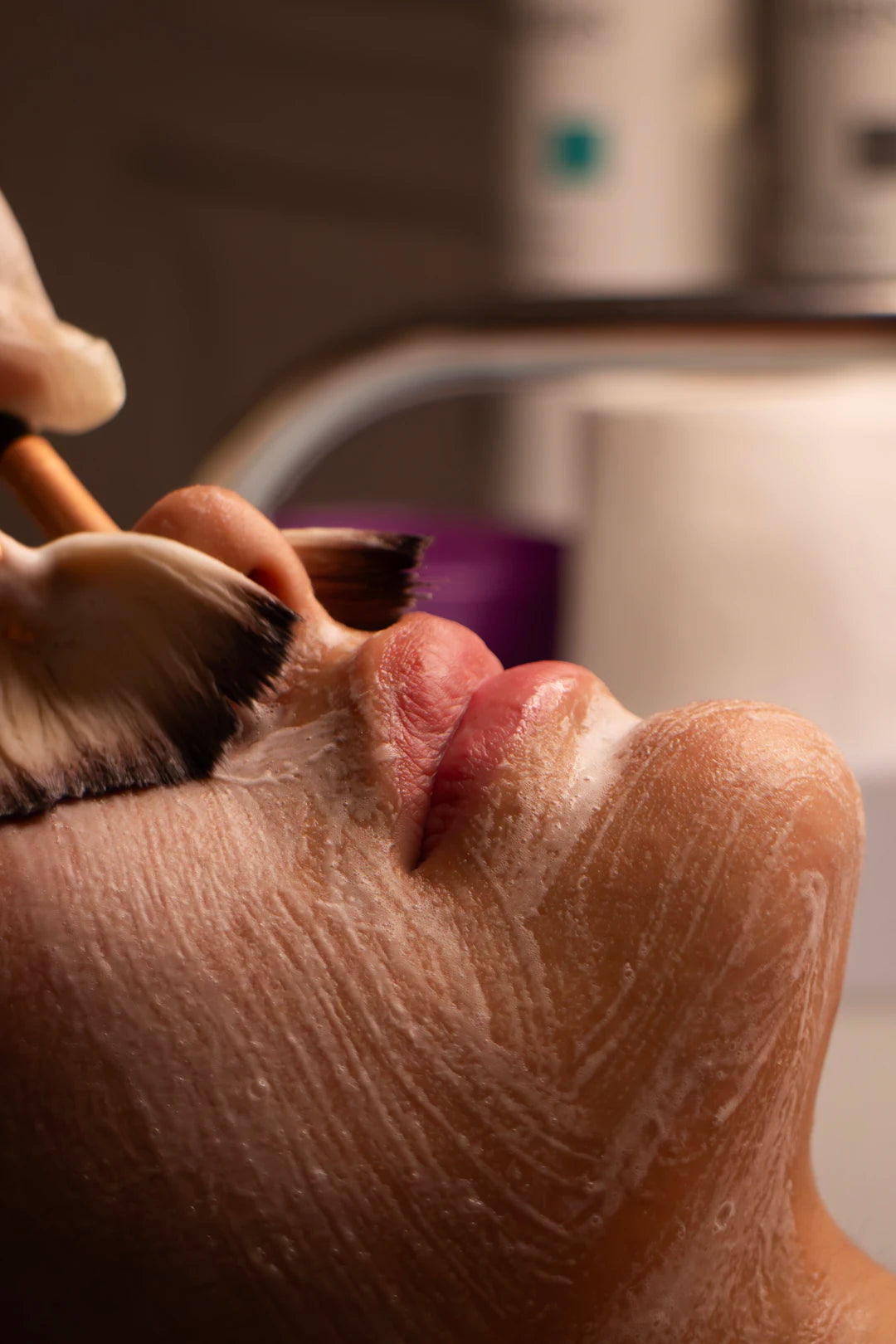
Mechanical exfoliation involves manually scrubbing the skin. This can be done using physical scrubs that contain abrasive materials like bamboo beads exfoliation, loofahs, or brushes. These methods not only promote the shedding of dead skin cells but also increase blood circulation, giving your complexion a healthy glow.
Chemical Exfoliation
Chemical exfoliation utilizes acids or enzymes to dissolve dead skin cells. The most common ingredients involved are alpha-hydroxy acids (AHAs) and beta-hydroxy acids (BHAs). These chemicals penetrate into the skin and break down the bonds that hold dead skin cells together. While many people find chemical exfoliants easier to use and more effective, they may not be suitable for everyone, especially those with sensitive skin.
Benefits of Exfoliation
So, why should you include exfoliation in your skincare routine? Here are several key benefits:
- Brightens Dull Skin: Regular exfoliation helps to reveal fresh, new skin underneath, resulting in a brighter appearance.
- Unclogs Pores: By removing dead skin cells, exfoliation helps to prevent clogged pores, which can lead to breakouts.
- Improves Skincare Product Efficacy: Exfoliated skin better absorbs your skincare products, making them more effective.
- Stimulates Cell Turnover: Regular exfoliation encourages the natural process of cell turnover, which is crucial for youthful-looking skin.
- Enhances Skin Texture: With consistent exfoliation, you can achieve smoother, more even skin texture.
How Often Should You Exfoliate?
Determining the appropriate frequency for exfoliation is crucial to avoid irritating your skin. Here are some general guidelines:
For Sensitive Skin
If you have sensitive skin, it is best to limit mechanical exfoliation to once every two weeks and opt for a gentle chemical exfoliant that is pH-balanced and suitable for sensitive types. Always follow the product's instructions, and perform patch tests if you're trying a new product.
For Normal to Combination Skin
Individuals with normal to combination skin can usually benefit from exfoliating once or twice a week. This allows for effective skin renewal while minimizing the risk of irritation.
For Oily or Acne-Prone Skin
People with oily or acne-prone skin might find that exfoliating twice a week is advantageous. Incorporating a BHA chemical exfoliant can be particularly beneficial, as it helps dissolve oil and prevents pores from clogging.
Choosing the Right Exfoliation Method
Different skin types respond better to different exfoliation methods. Here’s a simple breakdown:
Physical Exfoliation
- Ideal for: All skin types, depending on the granularity of the exfoliant used.
- Considerations: Always choose products with fine particles (like bamboo beads exfoliation), which are gentle and won't cause micro-tears in sensitive skin.
Chemical Exfoliation
- Ideal for: Oily and acne-prone skin, as well as those seeking more significant texture improvements.
- Considerations: Start with lower concentrations, especially if you are new to chemical exfoliation.
DIY Exfoliation Methods
If you prefer a more hands-on approach or enjoy creating your own skincare solutions, there are several DIY exfoliation options available. Here are a few recipes you can try:
Simple Sugar Scrub
Mix equal parts of granulated sugar and coconut oil. This combo will promote hydration while gently exfoliating your skin. Use it once a week on your body, avoiding sensitive areas.
Oatmeal Mask
Blend a few tablespoons of oats with warm water into a paste. This natural exfoliant is gentle on the skin and perfect for sensitive skin types. Apply the paste to your face, let it sit for about 10 minutes, and then rinse off.
Coffee Scrub
Mix used coffee grounds with a little olive oil. The caffeine can help improve circulation, and the coffee grounds provide a robust exfoliating experience. Use this on your body a couple of times a month.
Post-Exfoliation Care
Once you’ve exfoliated, it's essential to care for your skin properly. After taking the time to treat your skin, following up with the right products can enhance the results:
- Hydration is Key: Always apply a moisturizer after exfoliating to keep your skin hydrated and lock in moisture.
- Sunscreen Protection: Exfoliation can make skin more sensitive to sunlight; therefore, always use sunscreen when heading outdoors, especially after an exfoliation session.
Avoid Overdoing It
One of the most common mistakes in exfoliation is over-exfoliating. Doing this can lead to irritation, redness, and increased sensitivity. It's best to follow the established frequency for your skin type and monitoring how your skin reacts.
Exfoliation for Different Skin Types
Every skin type has specific needs, so it’s essential to adjust your exfoliation routine accordingly:
Dry Skin
If you have dry skin, consider using hydrating exfoliants with moisturizing ingredients, such as oils or honey, to ensure your skin maintains its moisture barrier. Limit mechanical exfoliation to once every two to four weeks to prevent further dryness.
Normal Skin
For those with a normal skin type, balancing mechanical and chemical exfoliation is key. A blend of both methods can provide excellent results while ensuring your skin stays healthy and vibrant.
Oily Skin
Oily skin generally tolerates exfoliation better than dry skin. Look for products containing bamboo beads exfoliation or salicylic acid that can help regulate oil production while exfoliating.
Combination Skin
Combination skin may require a tailored approach. Focus on exfoliating more in the oilier areas of your face (like the T-zone) while being gentler on the drier aspects. This can ensure a balanced approach without overwhelming your skin.
Final Thoughts: Embrace Your Exfoliation Journey
Understanding and incorporating exfoliation into your skincare routine can significantly enhance your skin's health and appearance. Whether you opt for mechanical or chemical exfoliation, remember to tailor your approach based on your skin type and needs. By doing so, you'll achieve a glowing, radiant complexion and enjoy healthier skin. As you embrace the journey of perfecting your exfoliation routine, don't forget that it’s not just about the immediate results but also about establishing an ongoing practice that nourishes and cherishes your skin for years to come. So, get ready to say hello to a fresher, more vibrant you!
Frequently Asked Questions
1. What is exfoliation?
2. Why is exfoliation important for skin care?
3. How often should I exfoliate my skin?
4. What are the different types of exfoliation?
5. What should I do after exfoliating my skin?
Glossary
| Term | Meaning |
|---|---|
| Exfoliation | The process of removing dead skin cells from the skin's surface. |
| Mechanical Exfoliation | Manual scrubbing of the skin using physical scrubs or tools. |
| Chemical Exfoliation | Using acids or enzymes to dissolve dead skin cells. |
| AHAs | Alpha-hydroxy acids used in chemical exfoliation. |
| BHAs | Beta-hydroxy acids effective for oily and acne-prone skin. |
| Cell Turnover | The natural process of shedding and renewing skin cells. |
| Hydration | Applying moisturizer to maintain skin moisture after exfoliation. |
| Sunscreen | Protection applied to skin to shield from UV rays post-exfoliation. |
| Over-exfoliating | Excessive exfoliation leading to skin irritation and sensitivity. |
| DIY Exfoliation | Homemade methods for exfoliating skin using natural ingredients. |
Linked Product

Microdermabrasion
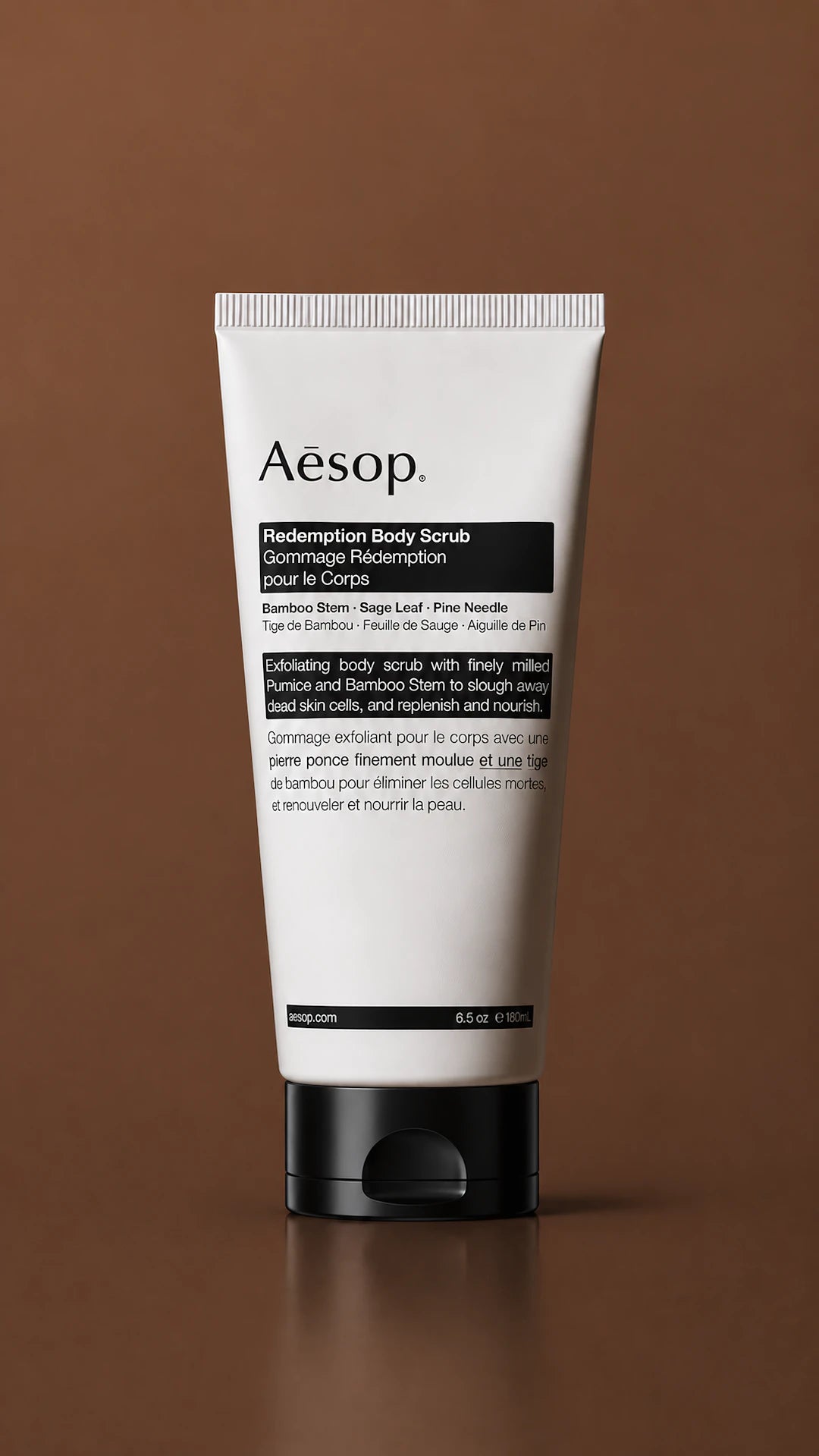
Microdermabrasion offers a gentle yet effective way to exfoliate the skin, using bamboo beads to remove dead skin cells while maintaining skin integrity. Infused with pumpkin extract and vitamins, it helps soothe and repair free radical damage, contributing to a smoother and more radiant complexion. This product is suitable for those looking to enhance their skincare routine, especially when paired with beauty oil or laser resurfacing treatments.
View Product