DIY Skin Care: Craft Your Homemade Treatments Today
Overview
DIY skincare is a cost-effective and creative way to enhance your skin health using natural ingredients from your kitchen, like moringa oil, coconut oil, honey, and oatmeal. Explore personalized treatments such as revitalizing face masks and soothing scrubs while understanding your skin type for optimal results. Embrace the DIY movement to rejuvenate your skin confidently and healthily.
Table of Contents
- Why Choose DIY Skin Care?
- Key Ingredients for Your DIY Treatments
- Moringa Oil
- Coconut Oil
- Honey
- Oatmeal
- DIY Skincare Treatments You Can Create at Home
- Revitalizing Moringa Oil Face Mask
- Soothing Oatmeal Facial Scrub
- Moisturizing Coconut Oil Lotion
- Understanding Skin Types for Optimal DIY Treatments
- Normal Skin
- Oily Skin
- Dry Skin
- Sensitive Skin
- Tips for Storing Your DIY Products
- Safe Practices When Crafting Skincare
- Innovating Your DIY Ritual
- Mixing and Matching Ingredients
- Join the DIY Movement
Key Takeaways
- Customization: Tailor your DIY skincare treatments to address your specific skin type and concerns.
- Cost-Effective: Save money by using natural ingredients you may already have at home.
- Moringa Oil Benefits: This multitasking oil hydrates, combats aging, and provides essential nutrients.
- Gentle Ingredients: Use soothing components like oatmeal for sensitive skin to avoid irritation.
- Proper Storage: Store DIY products in airtight, dark glass containers to maintain freshness and potency.
- Safety Practices: Always conduct patch tests and maintain hygiene when crafting skincare products.
- Experimentation: Feel free to mix and match ingredients to find the perfect combination for your skin.
Embracing the world of skincare isn’t just about expensive products or complicated routines. Many people are turning to DIY methods, inspired by the natural ingredients available right in their kitchens. One particular ingredient gaining popularity in the skincare community is moringa oil. Known for its enriching properties, the Moringa oil benefits extend beyond simple nourishment. In this article, we’ll explore how to harness the power of DIY skin care treatments, creating personalized solutions that are both effective and fun!
Why Choose DIY Skin Care?
Creating your own skincare treatments at home offers numerous advantages:
- Customization: Tailor your treatments to your skin type and concerns.
- Cost-Effective: Save money by using ingredients you may already have.
- Natural Ingredients: Avoid chemicals and synthetic additives found in many commercial products.
- Satisfaction: Enjoy the creative process of crafting your own skincare solutions.
Key Ingredients for Your DIY Treatments
Before we dive into specific treatments, let’s identify some popular ingredients you can use in your homemade skincare products. Incorporating these not only enhances skin health but also offers various Moringa oil benefits.
Moringa Oil
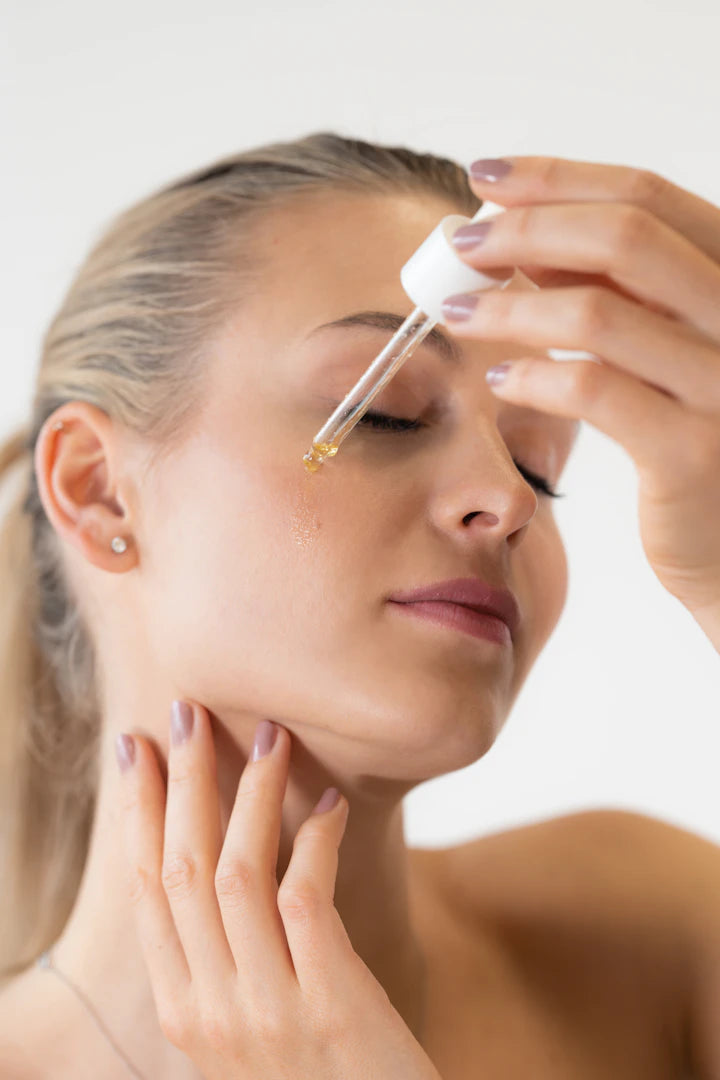
This multitasking oil is derived from the seeds of the moringa tree. Rich in antioxidants, vitamins A, C, and E, moringa oil helps to hydrate the skin, combat signs of aging, and provide essential nutrients. Its anti-inflammatory properties make it an excellent choice for skin remedies.
Coconut Oil
Coconut oil is a hydrating powerhouse. It's solid at room temperature but melts upon contact with skin, providing deep moisture—perfect for those with dry skin.
Honey
Known for its antimicrobial properties, honey significantly benefits the skin by promoting healing and hydration while also acting as a natural exfoliator.
Oatmeal
Ground oatmeal is fantastic for soothing irritated skin. It can be used in facials and scrubs to calm redness and itchiness.
DIY Skincare Treatments You Can Create at Home
Revitalizing Moringa Oil Face Mask
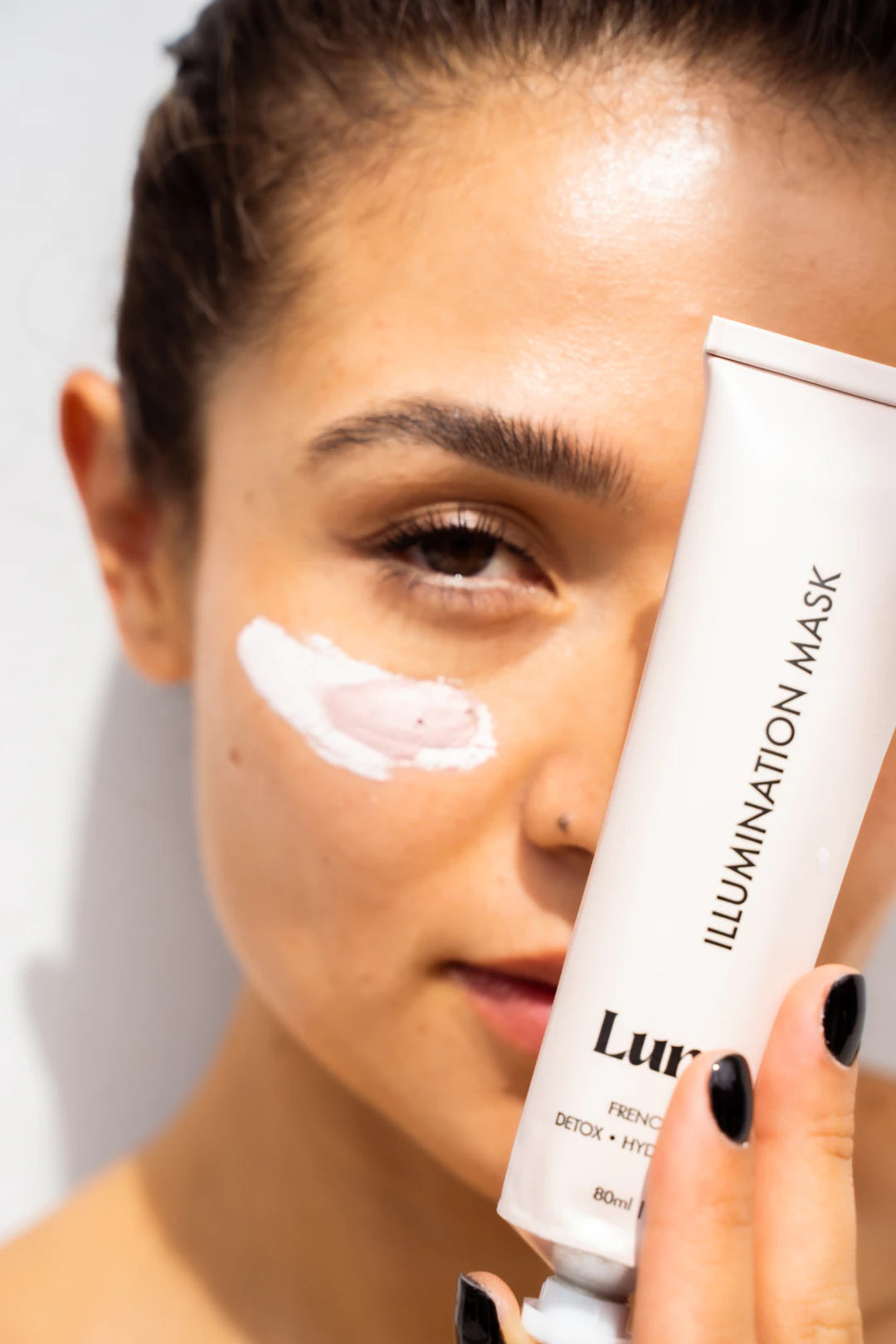
This nourishing mask will leave your skin looking radiant. Here’s how to make it:
- 1 tablespoon moringa oil
- 2 tablespoons honey
- 1 tablespoon plain yogurt
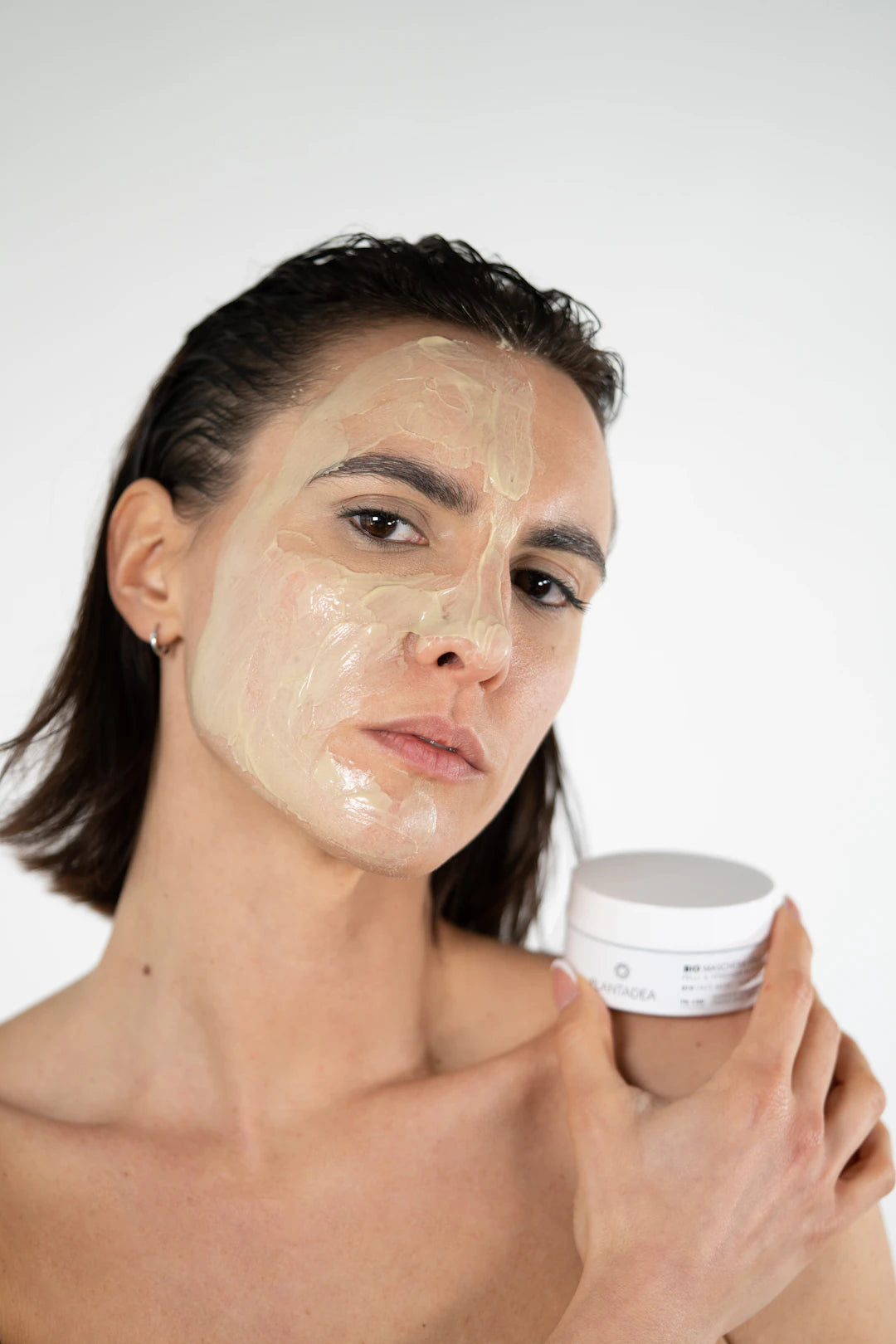
Mix the ingredients together in a bowl until well combined. Apply it to your face and let it sit for 15-20 minutes before rinsing with lukewarm water. The result? Hydrated, dewy skin that feels rejuvenated!
Soothing Oatmeal Facial Scrub
If you struggle with sensitive skin, this gentle scrub will exfoliate without irritation:
- 1 cup of ground oatmeal
- ½ cup of honey
- Water (as needed for consistency)
Combine the oatmeal and honey, adding water until you achieve a paste-like consistency. Gently massage the scrub onto your wet face, focusing on areas that need extra attention. Rinse off after five minutes and revel in the softness.
Moisturizing Coconut Oil Lotion
Perfect for dry skin, this DIY lotion can be made easily:
- ½ cup coconut oil
- 10 drops of your favorite essential oil (like lavender or tea tree)
In a small bowl, whip the coconut oil until creamy, then add the essential oil drops. Apply daily to nourish your skin and lock in moisture.
Understanding Skin Types for Optimal DIY Treatments
Before creating any skincare products, it’s crucial to understand your skin type—this ensures that the ingredients you choose will work effectively.
Normal Skin
If you have normal skin, you can use a variety of ingredients, including oils, but avoid heavy formulations that might clog pores. The Moringa oil will be beneficial for you, providing an ideal balance.
Oily Skin
Look for ingredients that clarify and control oil production, such as lemon juice or apple cider vinegar. Moringa oil can help balance your skin’s hydration without adding excess grease.
Dry Skin
Rich oils and hydrating elements are essential for dry skin. Coconut oil, honey, and Moringa oil benefits are fantastic solutions. They provide deep moisture for that soft, supple feel.
Sensitive Skin
For sensitive skin, it’s critical to work with gentle ingredients. Consider oatmeal-based masks and always do a patch test before applying new products.
Tips for Storing Your DIY Products
To maximize the effectiveness of your homemade skincare, proper storage is essential. Here are some tips:
- Store your products in airtight containers to keep them fresh.
- Use dark glass containers to protect oils from UV light.
- Label your products with the date made and intended use (typically within one to three weeks, depending on ingredients).
Safe Practices When Crafting Skincare
Safety should be a priority in your DIY skincare endeavors. Here are some essential practices to follow:
- Patch Test: Always do a patch test on a small area of skin to check for allergic reactions.
- Hygiene: Maintain cleanliness by washing your hands and using clean utensils when preparing products.
- Quality Ingredients: Source high-quality, organic materials whenever possible for the best results.
Innovating Your DIY Ritual
Remember, DIY skincare is all about exploration and transformation. It’s an opportunity to understand your skin barriers and treat them with love and care using natural ingredients. Don’t hesitate to experiment with different ratios and combinations, and record your findings for future applications.
Mixing and Matching Ingredients
While the treatments mentioned here are effective, feel free to swap out ingredients or add more based on what you have available or what your skin needs. Maybe you want to incorporate some mashed avocado into your face mask or use almond oil instead of coconut oil; the choice is yours!
Join the DIY Movement
As the world shifts hacia embracing natural products in daily care regimens, now is the perfect time to jump on the DIY skincare bandwagon. Your skin deserves the best—crafted with your own two hands. Start exploring the array of skincare possibilities at home, and watch as your confidence soars. With just a few natural ingredients, you have the power to rejuvenate and care for your skin healthfully and creatively. So gather your supplies, unleash your inner mixologist, and let your journey to radiant skin begin!
Frequently Asked Questions
1. What is DIY skin care and why is it popular?
2. What are the benefits of using moringa oil in skincare?
3. How can I make a revitalizing face mask with moringa oil?
4. What is a gentle scrub for sensitive skin?
5. What safety practices should I follow when creating DIY skincare products?
Glossary
| Term | Meaning |
|---|---|
| Moringa Oil | A nutrient-rich oil from moringa seeds, known for hydration and anti-aging benefits. |
| Coconut Oil | A solid oil that melts on skin contact, providing deep moisture for dry skin. |
| Honey | A natural humectant with antimicrobial properties that promotes healing and hydration. |
| Oatmeal | Ground oats used to soothe irritated skin and calm redness in facials and scrubs. |
| DIY Skincare | Homemade skincare products tailored to individual skin types and concerns. |
| Patch Test | A method to check for allergic reactions by applying a small amount of product to the skin. |
| Essential Oils | Concentrated plant extracts used for fragrance and therapeutic benefits in skincare. |
| Skin Types | Categories of skin (normal, oily, dry, sensitive) that determine suitable ingredients. |
| Airtight Containers | Sealed storage that keeps DIY products fresh and prevents contamination. |
| Natural Ingredients | Components derived from nature, avoiding chemicals and synthetic additives. |
Linked Product

Beauty Oil
The Beauty Oil features a blend of antioxidant-rich moringa and sacha oils that hydrate and repair the skin while helping to fight premature aging. This formula is designed to renew your complexion without clogging pores, promoting a revitalized and radiant glow. It pairs well with microdermabrasion for enhanced skin treatment.
View Product