Unlocking Skin Care: Ingredients You Need to Know
Overview
This guide helps you navigate skin care ingredients to achieve healthy, glowing skin. It discusses the importance of understanding natural vs. synthetic ingredients, key components for hydration, exfoliation, and anti-aging, as well as how to identify products based on your skin type. Additionally, it emphasizes the significance of pH balance, patch testing, and maintaining a consistent skin care routine tailored to your needs.
Table of Contents
- The Importance of Skin Care Ingredients
- Natural Versus Synthetic Ingredients
- Key Ingredients to Look For
- Moisturizing Agents
- Exfoliating Ingredients
- Anti-Aging Components
- Understanding Labels and Claims
- Non-Comedogenic
- Hypoallergenic
- Making Sense of Skin Types and Needs
- Oily Skin
- Dry Skin
- Sensitive Skin
- The Role of pH in Skin Care
- Choosing pH-Balanced Products
- How to Conduct Patch Tests
- Steps for Patch Testing
- Maintaining an Effective Skin Care Routine
- Identify a Routine That Works for You
- Adjust Seasonally
- Embrace Your Unique Skin Journey
Key Takeaways
- Understand Skin Ingredients: Familiarize yourself with the ingredients in your skin care products to make informed choices.
- Natural vs. Synthetic: Both natural and synthetic ingredients can be beneficial; choose products based on your skin needs.
- Key Ingredients: Look for moisturizing agents like hyaluronic acid, exfoliants like AHAs and BHAs, and anti-aging components like retinol.
- Know Your Skin Type: Tailor your routine based on whether you have oily, dry, combination, or sensitive skin.
- Patch Test New Products: Always conduct a patch test to avoid adverse reactions before using a new product on your face.
- Maintain a Consistent Routine: Establish a basic skin care regimen that includes cleansing, moisturizing, and sun protection.
- Adjust for Seasons: Be prepared to modify your skin care products with seasonal changes to maintain optimal skin health.
When it comes to taking care of our skin, understanding the ingredients in our skin care products can feel overwhelming. Many of us want that radiant and youthful glow, but navigating the myriad of options available can leave us confused. Are you hoping to find a rejuvenating skin oil that works wonders for your complexion? Or perhaps you’re looking to refine your skin care routine? In this guide, we’ll delve into the essentials you need to consider when selecting skin care products, empowering you to make informed choices for your skin's health.
The Importance of Skin Care Ingredients
Just as we pay attention to the nutrition facts when choosing food, we should also be mindful of the ingredients we apply to our skin. The skin is the largest organ of the body, and it absorbs many substances that we apply. Understanding what each ingredient does can help you avoid harmful substances and choose products that benefit your skin.
Natural Versus Synthetic Ingredients
One of the first things to consider when examining skin care ingredients is whether they are natural or synthetic. Natural ingredients, derived from nature, have become increasingly popular in recent years. They are often perceived as safer and more effective. Common natural ingredients include:
- Botanical extracts: Sources like green tea or chamomile can provide soothing properties.
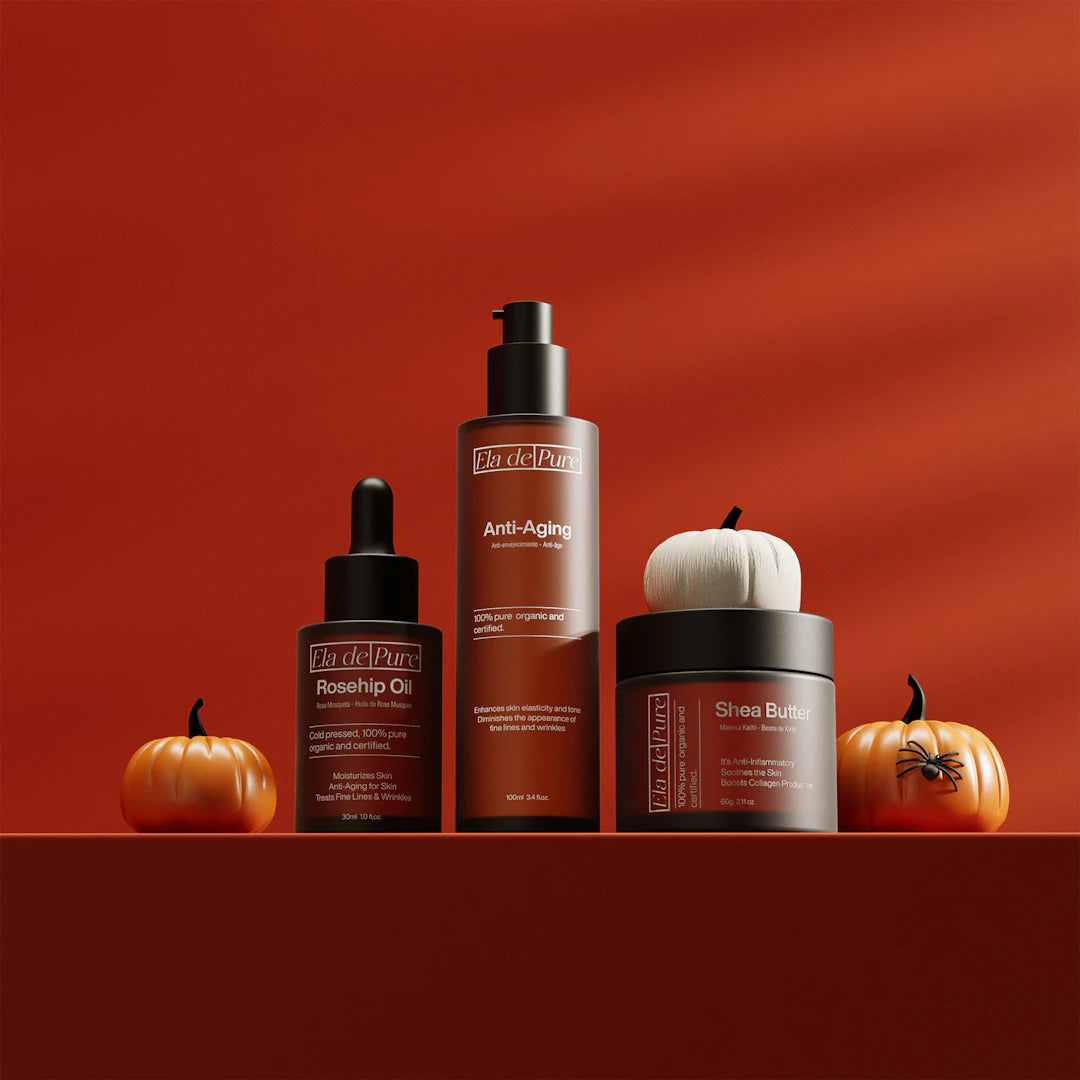
- Plant oils: Rejuvenating skin oils such as jojoba, argan, and rosehip are celebrated for their moisturizing and nourishing qualities.
- Vitamins: Ingredients such as vitamin C and E are potent antioxidants that help combat free radical damage.
On the other hand, synthetic ingredients can sometimes offer targeted benefits and longer shelf lives. It's important to note, however, that not all synthetic ingredients are harmful. Some are essential for formulating effective products. Always look for reputable brands that provide transparency about their formulations.
Key Ingredients to Look For
So, what should you specifically look for in your skin care products? Here, we highlight key ingredients that can enhance your skin care routine.
Moisturizing Agents
Hydration is key to maintaining healthy skin. Look for ingredients known for their moisturizing properties, such as:
- Hyaluronic Acid: A master hydrator, hyaluronic acid can hold up to 1000 times its weight in water. It’s perfect for all skin types.
- Glycerin: This humectant pulls water into the skin, keeping it plump and dewy.
- Shea Butter: Rich in fatty acids and vitamins, shea butter is excellent for deep hydration.
Exfoliating Ingredients
Regular exfoliation helps to remove dead skin cells, revealing a fresher layer of skin underneath. Choose products with:
- Alpha Hydroxy Acids (AHAs): Derived from fruits, AHAs like glycolic acid are effective for chemical exfoliation.
- Beta Hydroxy Acids (BHAs): Salicylic acid penetrates pores to reduce oil and prevent breakouts, making it ideal for oily skin types.
Anti-Aging Components
As we age, our skin undergoes changes that can lead to wrinkles and loss of elasticity. Incorporating the following ingredients can help combat these signs:
- Retinol: This derivative of vitamin A encourages cell turnover and increases collagen production, visibly reducing fine lines.
- Pearly Waters: Known for its rejuvenating properties, this ingredient helps to promote a more youthful and radiant complexion.
Understanding Labels and Claims
When browsing skin care products, you might come across various claims on labels, such as “non-comedogenic” or “hypoallergenic.” Understanding what these terms mean can assist you in choosing products that align with your skin goals.
Non-Comedogenic
This term indicates that a product won’t clog pores, making it a safe choice for those prone to acne. It’s essential to choose non-comedogenic formulas if you have oily or acne-prone skin.
Hypoallergenic
While this term suggests that a product is less likely to cause an allergic reaction, it’s important to note that individual reactions can vary. Always patch test new products before fully incorporating them into your routine.
Making Sense of Skin Types and Needs
Your skin type plays a significant role in the formulation of your skin care routine. Knowing whether you have oily, dry, combination, or sensitive skin can help you choose products that work best for your unique needs.
Oily Skin
If you have oily skin, look for lightweight, oil-free products containing mattifying ingredients. Products with salicylic acid or clay can help control excess oil production.
Dry Skin
For dry skin types, prioritize rich, creamy formulations that offer deep hydration. Look for products containing glycerin, hyaluronic acid, and nourishing oils. A rejuvenating skin oil can be particularly beneficial for locking in moisture.
Sensitive Skin
Those with sensitive skin should focus on soothing and gentle ingredients. Consider fragrance-free products and opt for botanicals like chamomile or aloe vera that help calm the skin.
The Role of pH in Skin Care
Understanding pH levels can enhance your skin care routine even further. The skin's natural pH is slightly acidic, usually ranging from 4.5 to 5.5. Using products that are too alkaline can disrupt the skin barrier, leading to issues like irritation or breakouts.
Choosing pH-Balanced Products
Selecting pH-balanced products helps maintain your skin's natural barrier, promoting overall skin health. Look for formulations that indicate they are pH-balanced or designed specifically for your skin type.
How to Conduct Patch Tests
Before fully committing to a new product, especially one that contains active ingredients, it's wise to conduct a patch test. This simple method can help prevent potential adverse reactions.
Steps for Patch Testing
- Choose a small area of skin, such as your inner wrist or behind the ear.
- Apply a small amount of the product to that area.
- Wait for 24 hours to see if any irritation occurs.
- If no reaction occurs, it’s likely safe to use the product on your face.
Maintaining an Effective Skin Care Routine
Understanding ingredients is just one part of the puzzle; having a consistent skin care routine is equally important. Here are steps to create a successful regimen tailored to your skin's needs.
Identify a Routine That Works for You
Everyone's skin responds differently. A basic skin care routine includes the following steps:
- Cleanser: Start with a gentle cleanser to remove dirt, oil, and makeup.
- Toner: Optional, but helpful for preparing the skin for subsequent products.
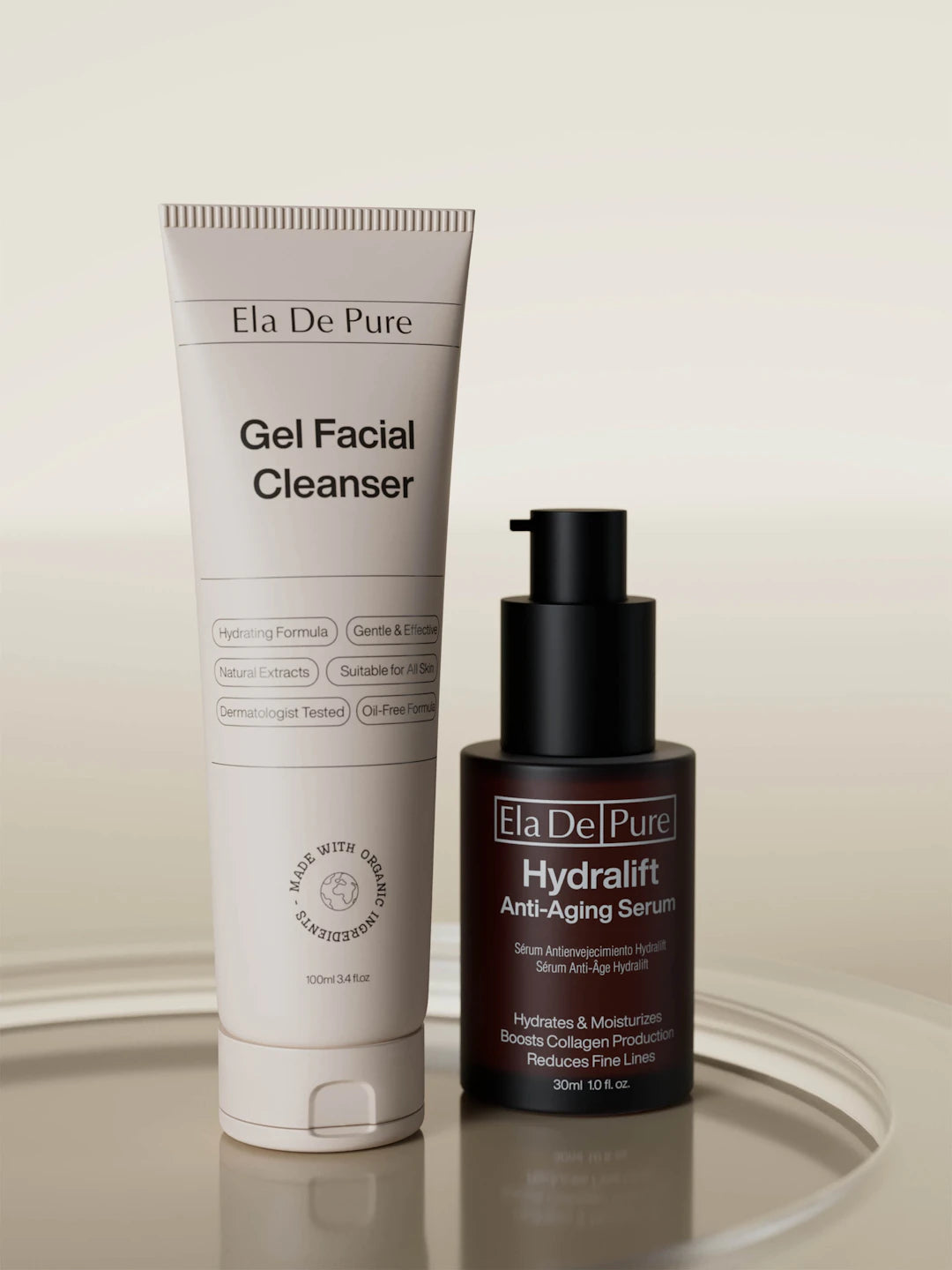
- Serum: Incorporate a serum that targets your specific needs, like hydration, anti-aging, or brightening.
- Moisturizer: Seal in your serums and provide additional hydration with a moisturizer suitable for your skin type.
- Sunscreen: Always apply sunscreen during the day to protect against harmful UV rays.
Adjust Seasonally
Our skin can change with the seasons, requiring adjustments to our skin care routine. In the winter, you may need to switch to more hydrating formulas, while summer might call for lighter, mattifying products.
Embrace Your Unique Skin Journey
Understanding skin care ingredients is a crucial step towards achieving healthy, glowing skin. By knowing what to look for and how to build an effective skin care routine, you can cater your choices to your individual skin type and needs. Remember, what works for one person may not work for another, so take the time to experiment and find what suits you best.
As you explore rejuvenating skin oils, gentle cleansers, and potent serums, stay curious and informed. Your skin will thank you for the love and care you put into it! Embrace your unique journey toward radiant skin, and enjoy the process of discovering what works best for you.
Frequently Asked Questions
1. Why is it important to understand skin care ingredients?
2. What types of ingredients should I look for in skin care products?
3. What does 'non-comedogenic' mean?
4. How can I determine my skin type?
5. What is the purpose of conducting a patch test?
Glossary
| Term | Meaning |
|---|---|
| Moisturizing Agents | Ingredients that hydrate and retain moisture in the skin. |
| Exfoliating Ingredients | Substances that remove dead skin cells for a fresher appearance. |
| Anti-Aging Components | Ingredients that help reduce wrinkles and improve skin elasticity. |
| Non-Comedogenic | Products that do not clog pores, suitable for acne-prone skin. |
| Hypoallergenic | Products less likely to cause allergic reactions. |
| Patch Test | A method to test for skin reactions by applying a small amount of product. |
| pH-Balanced | Formulations that maintain the skin's natural acidity for optimal health. |
| Botanical Extracts | Natural ingredients derived from plants, often soothing for the skin. |
| Vitamins | Nutrients that provide antioxidant benefits to protect the skin. |
| Serum | A concentrated formula targeting specific skin concerns. |
Linked Product

Beauty Oil
The Beauty Oil features a blend of antioxidant-rich moringa and sacha oils designed to hydrate, repair, and renew the skin without clogging pores. This product is formulated to address concerns like premature aging, fine lines, and wrinkles, promoting a revitalized and radiant complexion. It is also suggested to be used alongside microdermabrasion for enhanced results.
View Product