Common Skin Care Myths Debunked for Glowing Skin

Overview
Debunking common skin care myths: Oily skin needs hydration, not all natural products are safe, tanning worsens acne, sunscreen is essential daily, avoid daily exfoliation, price doesn't determine product quality, skin care is personal, not all wrinkles can be erased, makeup doesn't inherently cause acne, and tingling isn't a sign of efficacy. Prioritize understanding your skin's unique needs for a healthy routine.
Table of Contents
- Myth 1: Oily Skin Doesn’t Need Moisturizing
- Hydration is Key
- Myth 2: All Natural Products Are Safe for Everyone
- Know Your Skin Type
- Myth 3: Tanning Will Help Clear Up Acne
- Seek Healthy Alternatives
- Myth 4: You Only Need Sunscreen on Sunny Days
- Make Sunscreen a Daily Habit
- Myth 5: You Need to Exfoliate Daily for Best Results
- The Right Frequency
- Myth 6: Expensive Skin Care Products Are Better
- Ingredient Over Price
- Myth 7: Skin Care is a One-Size-Fits-All Process
- Customize Your Regimen
- Myth 8: All Wrinkles Can Be Erased with Creams
- Focus on Skin Health
- Myth 9: Makeup Can Cause Acne
- Choose Wisely
- Myth 10: You Should Feel a Tingle When Using Skin Care Products
- Listen to Your Skin
Key Takeaways
- Oily skin requires moisturizing: Skipping moisturizer can lead to increased oil production and breakouts.
- Not all natural products are safe: Always patch test new products, even if they are labeled as 'natural' or 'organic.'
- Daily sunscreen is essential: UV rays can harm your skin even on cloudy days, so apply sunscreen every day.
- Exfoliate 1-3 times a week: Daily exfoliation can irritate the skin; find a balance that works for your skin type.
- Price does not equal quality: Focus on effective ingredients rather than the price tag of skin care products.
- Skin care is personalized: Customize your routine based on your unique skin type, concerns, and goals.
- Tingling does not mean effectiveness: Good skin care should feel soothing; irritation is a sign to discontinue use.
Frequently Asked Questions
1. Does oily skin need moisturizing?
2. Are all natural skin care products safe for everyone?
3. Can tanning help clear up acne?
4. Do I only need sunscreen on sunny days?
5. Is it necessary to exfoliate daily for best results?
In the world of skin care, misinformation can run rampant. With countless beauty tips and tricks floating around on social media, it's easy to fall prey to myths that can hinder your skin's potential. Today, we're debunking some of the most common skin care myths to help you navigate your journey to healthy, radiant skin.
Myth 1: Oily Skin Doesn’t Need Moisturizing
Many people believe that if they have oily skin, moisturizing should be avoided to prevent excess oil. However, this couldn’t be further from the truth. Oily skin needs hydration just as much as dry skin. When you skip moisturizing, your skin may produce even more oil to compensate, leading to a shiny complexion and potential breakouts. Using a lightweight, non-comedogenic moisturizer can help maintain balance.
Hydration is Key
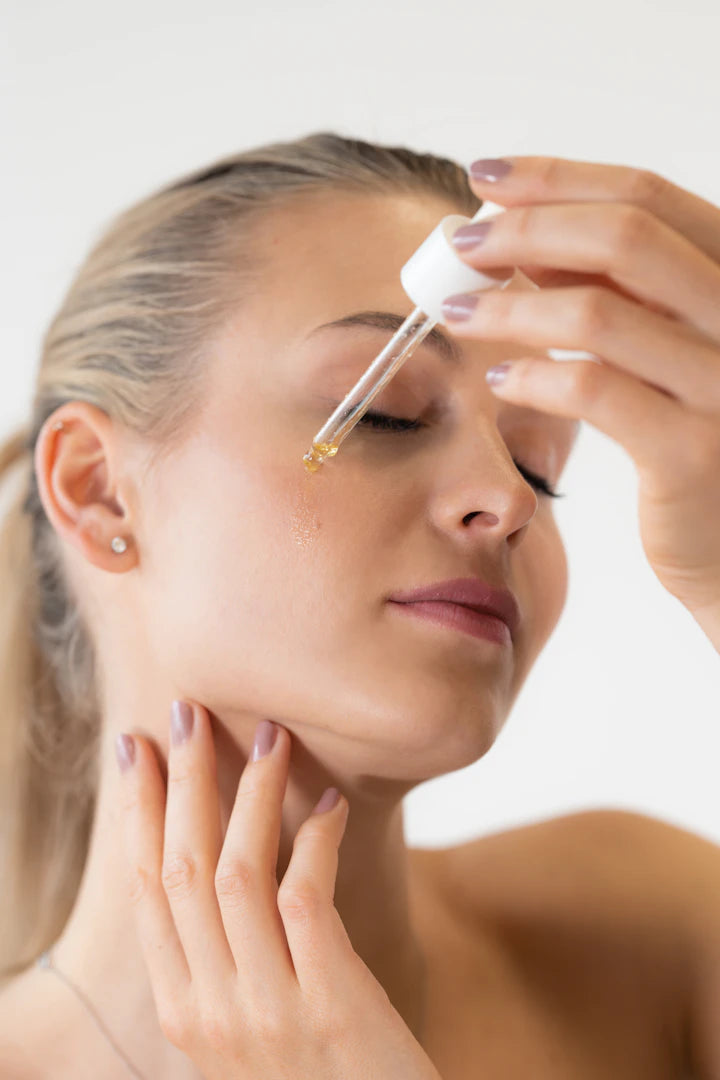
Incorporating a quality beauty oil for skin can help provide necessary hydration without clogging pores. Oils like jojoba or rosehip are particularly beneficial for oily skin types. They mimic the skin's natural oils, which can help regulate sebum production.
Myth 2: All Natural Products Are Safe for Everyone
While the natural products trend has made waves in the skin care industry, not all natural ingredients are suitable for every skin type. Some individuals may experience allergic reactions or irritations from natural components like essential oils or botanical extracts. Always patch test new products before applying them to your entire face, regardless of whether they are marketed as 'natural' or 'organic.'
Know Your Skin Type
The best approach is understanding your unique skin type and its specific needs. What works wonders for one person may be detrimental to another. Consult a dermatologist if you’re uncertain about ingredient compatibility with your skin.
Myth 3: Tanning Will Help Clear Up Acne
One of the most common misconceptions is that exposure to UV rays can help treat acne. While tanning may temporarily mask blemishes, it can ultimately worsen skin issues. Sun exposure can cause skin inflammation and breakouts, alongside long-term risks such as premature aging and skin cancer.
Seek Healthy Alternatives
Instead of relying on tanning, consider using non-comedogenic sun protection and incorporating skin care products designed for acne-prone skin. These can help clear up blemishes without damaging your skin further.
Myth 4: You Only Need Sunscreen on Sunny Days
Many people believe that sunscreen is only necessary on bright, sunny days. However, UV rays can penetrate clouds and remain harmful even when it's overcast. To protect your skin against skin damage and premature aging, applying sunscreen daily, regardless of the weather, is crucial.
Make Sunscreen a Daily Habit
Opt for a broad-spectrum sunscreen with an SPF of at least 30 and apply it generously every morning. Reinforce this habit even on rainy or cloudy days to maintain your skin's health.
Myth 5: You Need to Exfoliate Daily for Best Results
While exfoliation can be beneficial, doing it every day can strip your skin of its natural oils and lead to irritation. In fact, over-exfoliating can cause redness, dryness, and even increased acne. It’s important to find a balance tailored to your skin type.
The Right Frequency
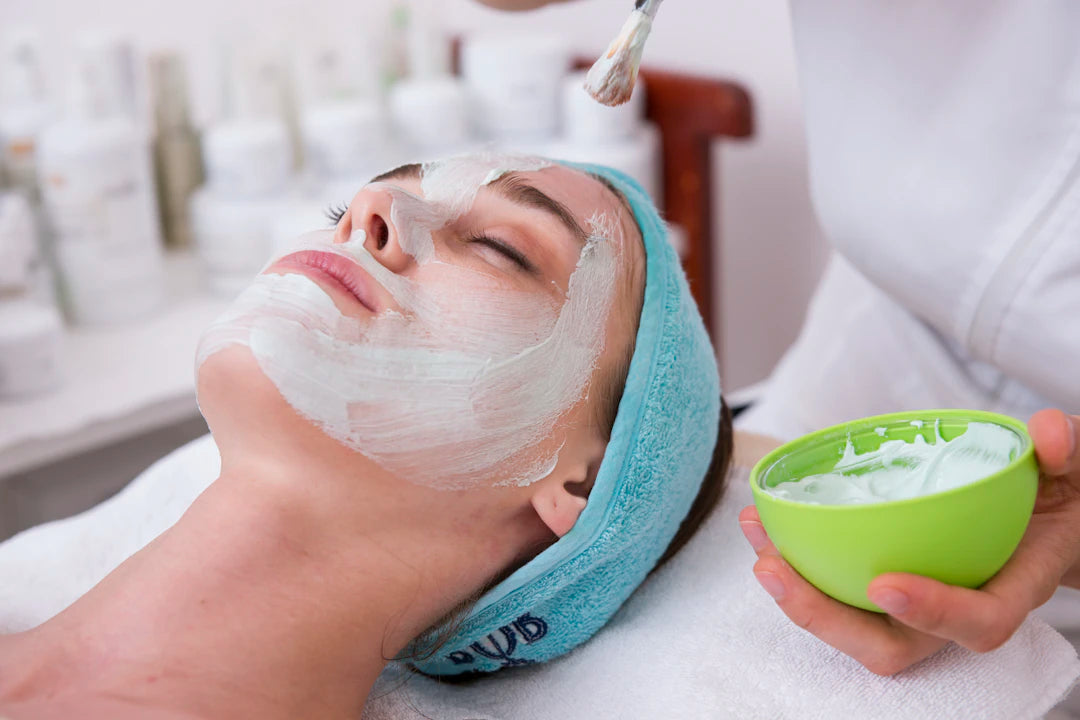
For most skin types, exfoliating 1-3 times per week is sufficient. Consider gentle exfoliants that can effectively remove dead skin cells without causing damage. For those with sensitive skin, opting for chemical exfoliants with AHAs or BHAs may be gentler compared to physical scrubs.
Myth 6: Expensive Skin Care Products Are Better
Many consumers believe that higher-priced skin care products equate to higher quality. However, price does not always determine effectiveness! It’s essential to evaluate the ingredients rather than solely relying on the price tag. Some budget-friendly products can deliver outstanding results.
Ingredient Over Price
Look for products with proven beneficial ingredients, such as hyaluronic acid for hydration or retinol for rejuvenation. Research and find what works best for your skin without being swayed by the luxury label.
Myth 7: Skin Care is a One-Size-Fits-All Process
Skin care is highly personal and varies significantly from person to person. Different skin types require different routines, and what works for one individual may not suit another. Factors like age, climate, and skin concerns influence the best care routine for you.
Customize Your Regimen
Take time to identify your skin type, concerns, and goals. Consider consulting with a dermatologist to tailor a regimen that meets your unique needs. This approach will help you make the most out of your skincare journey.
Myth 8: All Wrinkles Can Be Erased with Creams
Although anti-aging creams claim to prevent and erase wrinkles, they often cannot deliver what they promise. While some products can temporarily plump the skin or improve its appearance, true wrinkle reduction often requires a combination of lifestyle changes, professional treatments, and targeted products.
Focus on Skin Health
Consider a multi-faceted approach to skin tightening, where you combine a good skincare routine, a healthy diet, hydration, and sun protection to promote skin health. Sometimes, professional treatments like Botox or laser therapy might be beneficial for deeper wrinkles.
Myth 9: Makeup Can Cause Acne
Many believe that wearing makeup automatically leads to breakouts. While certain products may clog pores, it’s not makeup itself that causes acne; rather, it's the choice of products and lack of proper skin care that can lead to skin issues.
Choose Wisely
Using non-comedogenic makeup products and ensuring you remove your makeup at the end of the day can help prevent breakouts. Additionally, incorporating specific skin care tools can effectively target your skin concerns without sacrificing your makeup routine.
Myth 10: You Should Feel a Tingle When Using Skin Care Products
It's often thought that if a product doesn't cause a tingling sensation, it isn't working. However, this is misleading. A tingle does not equate to efficacy, and you shouldn’t have to deal with irritation for a product to be effective.
Listen to Your Skin
If your skin is feeling irritated or uncomfortable, it’s best to discontinue use. Good skin care should feel soothing and nourishing, not painful. Always prioritize gentle formulations that work harmoniously with your skin.
With these common skin care myths debunked, you're now equipped with the knowledge to make informed decisions about your skin. Navigating the sea of skin care advice can be challenging, but understanding the facts will empower you to nurture your skin effectively. Remember, healthy and glowing skin is about consistency, understanding, and listening to your skin’s specific needs. Happy skincare journey!
Glossary
| Term | Meaning |
|---|---|
| Moisturizing | Applying hydrating products to maintain skin balance. |
| Non-comedogenic | Products that do not clog pores. |
| Patch Test | Testing a small skin area for reactions before full application. |
| Exfoliation | Removing dead skin cells to improve skin texture. |
| Broad-spectrum Sunscreen | Protects against both UVA and UVB rays. |
| AHAs/BHAs | Types of chemical exfoliants for skin renewal. |
| Non-comedogenic Makeup | Makeup that doesn’t cause breakouts. |
| Skin Type | Your skin's specific characteristics and needs. |
| Active Ingredients | Components in products that provide skin benefits. |
| Professional Treatments | Procedures like Botox or laser therapy for skin improvement. |
Linked Product

Microdermabrasion
Microdermabrasion offers a gentle yet effective way to exfoliate the skin, helping to remove dead skin cells for a smoother appearance. Formulated with bamboo beads and enriched with pumpkin extract and vitamins, it supports skin repair and hydration. This product is suitable for those looking to enhance their skincare routine while promoting a radiant complexion.
View Product