The Importance of Exfoliation in Your Skincare Regimen

Overview
Exfoliation is a crucial step in skincare that helps remove dead skin cells, revealing a brighter, more youthful complexion. It can be done through physical methods (like scrubs) or chemical methods (using acids). Regular exfoliation offers benefits such as unclogging pores, enhancing product absorption, promoting an even skin tone, and delaying signs of aging. Frequency of exfoliation varies by skin type, and best practices include choosing the right exfoliant, patch testing new products, moisturizing after exfoliation, and using sunscreen. Incorporating ingredients like pumpkin extract can enhance results. A holistic skincare approach, including hydration and a balanced diet, is essential for optimal skin health.
Table of Contents
- What is Exfoliation? Understanding the Basics
- Physical Exfoliation
- Chemical Exfoliation
- The Benefits of Exfoliation for Your Skin
- Unclogs Pores and Reduces Acne
- Enhances Product Absorption
- Promotes a More Even Skin Tone
- Delays Signs of Aging
- How Often Should You Exfoliate?
- Sensitive Skin
- Normal to Oily Skin
- Dry or Mature Skin
- Best Practices for Exfoliation
- The Added Benefits of Pumpkin Extract
- Creating Your Custom Exfoliation Routine
- Listening to Your Skin
- Maintaining a Holistic Skincare Approach
- Exfoliation: The Secret to Radiant, Youthful Skin
Key Takeaways
- Exfoliation is essential for removing dead skin cells, revealing fresh skin underneath and improving overall skin appearance.
- There are two main types of exfoliation: physical (scrubs, brushes) and chemical (AHAs, BHAs), each suited for different skin types and concerns.
- Regular exfoliation unclogs pores, reduces acne, and enhances the absorption of skincare products for better results.
- Frequency of exfoliation should be tailored to your skin type: sensitive skin once a week, normal/oily skin 2-3 times a week, and dry/mature skin once a week.
- Post-exfoliation care is crucial; always follow up with moisturizer and sunscreen to protect and hydrate your skin.
- Pumpkin extract is a beneficial ingredient in exfoliation routines, offering vitamins and antioxidants that promote youthful skin.
- Listen to your skin and adjust your exfoliation routine as needed to prevent irritation and achieve optimal results.
Frequently Asked Questions
1. What is exfoliation?
2. What are the two primary forms of exfoliation?
3. How often should I exfoliate my skin?
4. What are the benefits of exfoliation?
5. What ingredient is recognized for its benefits in exfoliation?
When it comes to skincare, finding the right routine can make a monumental difference in the overall health and appearance of your skin. Among the various steps that constitute an impeccable skincare regimen, exfoliation is often overlooked. However, the role of exfoliation cannot be understated, as it is vital for achieving radiant, youthful skin. In this article, we'll explore the significance of exfoliation, how it benefits your skin, and why it should be an indispensable part of your beauty practice.
What is Exfoliation? Understanding the Basics
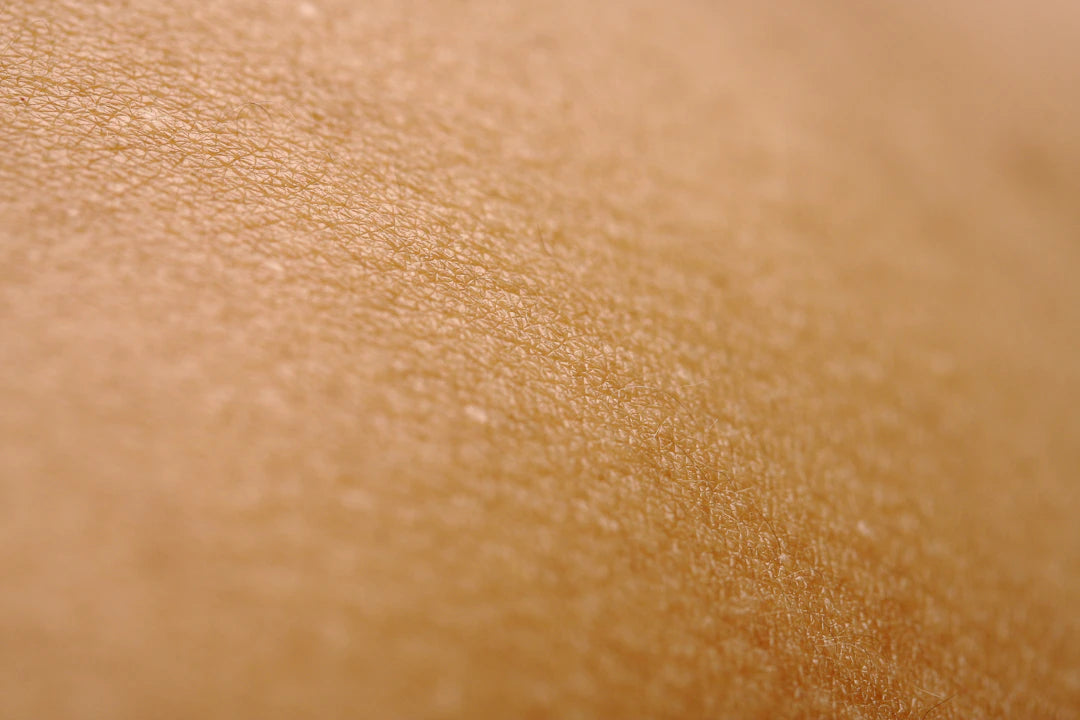
Exfoliation is the process of removing dead skin cells from the surface of your skin. This essential step helps to reveal fresh, youthful skin underneath. Without regular exfoliation, your skin can appear dull, rough, and uneven. There are two primary forms of exfoliation: physical and chemical. Understanding these methods can help you choose the best approach for your skin type.
Physical Exfoliation
Physical exfoliation involves using tools or products that physically scrub away dead skin cells. Common methods include:
- Exfoliating scrubs
- Brushes and sponges
- Microdermabrasion devices
These techniques can provide immediate results, making your skin feel smoother and look brighter after just one use. However, it's important to be cautious, as over-exfoliating can lead to irritation and damage to the skin barrier.
Chemical Exfoliation
Chemical exfoliation utilizes acids or enzymes to dissolve dead skin cells and promote cell turnover. Some common exfoliants include:
- Alpha Hydroxy Acids (AHAs)
- Beta Hydroxy Acids (BHAs)
- Enzymes from fruits like papaya and pineapple
Chemical exfoliants can penetrate deeper into the skin, offering more significant benefits for issues like pigmentation, acne, and signs of aging. Notably, the use of exfoliants such as pumpkin extract is gaining popularity due to its natural properties and multiple skin benefits.
The Benefits of Exfoliation for Your Skin
Incorporating exfoliation into your skincare routine presents a multitude of benefits that can transform your skin over time.
Unclogs Pores and Reduces Acne
One of the most significant benefits of regular exfoliation is its ability to unclog pores. When dead skin cells accumulate, they can mix with oil and lead to breakouts. By regularly exfoliating, you significantly reduce the chances of acne forming, clearing the path for better skin health.
Enhances Product Absorption
Have you ever wondered why some products don’t seem to work as well as they should? This could be due to a buildup of dead skin. By exfoliating, you remove that barrier, allowing your serums, moisturizers, and treatments to penetrate deeper into the skin and work more effectively.
Promotes a More Even Skin Tone
Sun damage, acne scars, and other skin imperfections can lead to an uneven skin tone. Regular exfoliation helps to slough off the upper layer of dead skin, encouraging the proliferation of new cells, which can contribute to a brighter, more radiant complexion.
Delays Signs of Aging
For those on the quest for the fountain of youth, exfoliation is a key component. By speeding up cell turnover, it helps to minimize the appearance of fine lines and wrinkles. The inclusion of ingredients like pumpkin extract can further enhance these antiaging properties by nourishing the skin with antioxidants.
How Often Should You Exfoliate?
The frequency of exfoliation largely depends on your skin type and the method you choose.
Sensitive Skin
If you have sensitive skin, it’s best to stick to gentle exfoliation methods and limit yourself to once a week. Over-exfoliating can lead to irritation, redness, and increased sensitivity.
Normal to Oily Skin
Those with normal or oily skin types may benefit from exfoliating 2-3 times a week. This frequency can help manage oil production and prevent clogged pores while maintaining a healthy glow.
Dry or Mature Skin
For dry or mature skin, opting for gentle chemical exfoliants or enzyme-based methods is recommended, and exfoliating once a week can be sufficient to promote healthy skin without over-drying.
Best Practices for Exfoliation
To maximize the benefits of exfoliation while minimizing potential damage, consider these essential practices:
- Choose the Right Exfoliant: Tailor your choice of exfoliant based on your skin type. For oily skin, AHAs like glycolic acid may be beneficial, while BHAs like salicylic acid work well for acne-prone skin.
- Patch Test New Products: Before fully incorporating a new exfoliant into your routine, do a patch test on a small area of skin to ensure it doesn’t cause irritation.
- Follow Up with Moisturizer: After exfoliating, your skin may feel drier than usual. Always apply a hydrating serum or moisturizer to replenish moisture.
- Use Sunscreen: Exfoliating can make your skin more sensitive to the sun, so always use a broad-spectrum sunscreen to protect your skin.
The Added Benefits of Pumpkin Extract
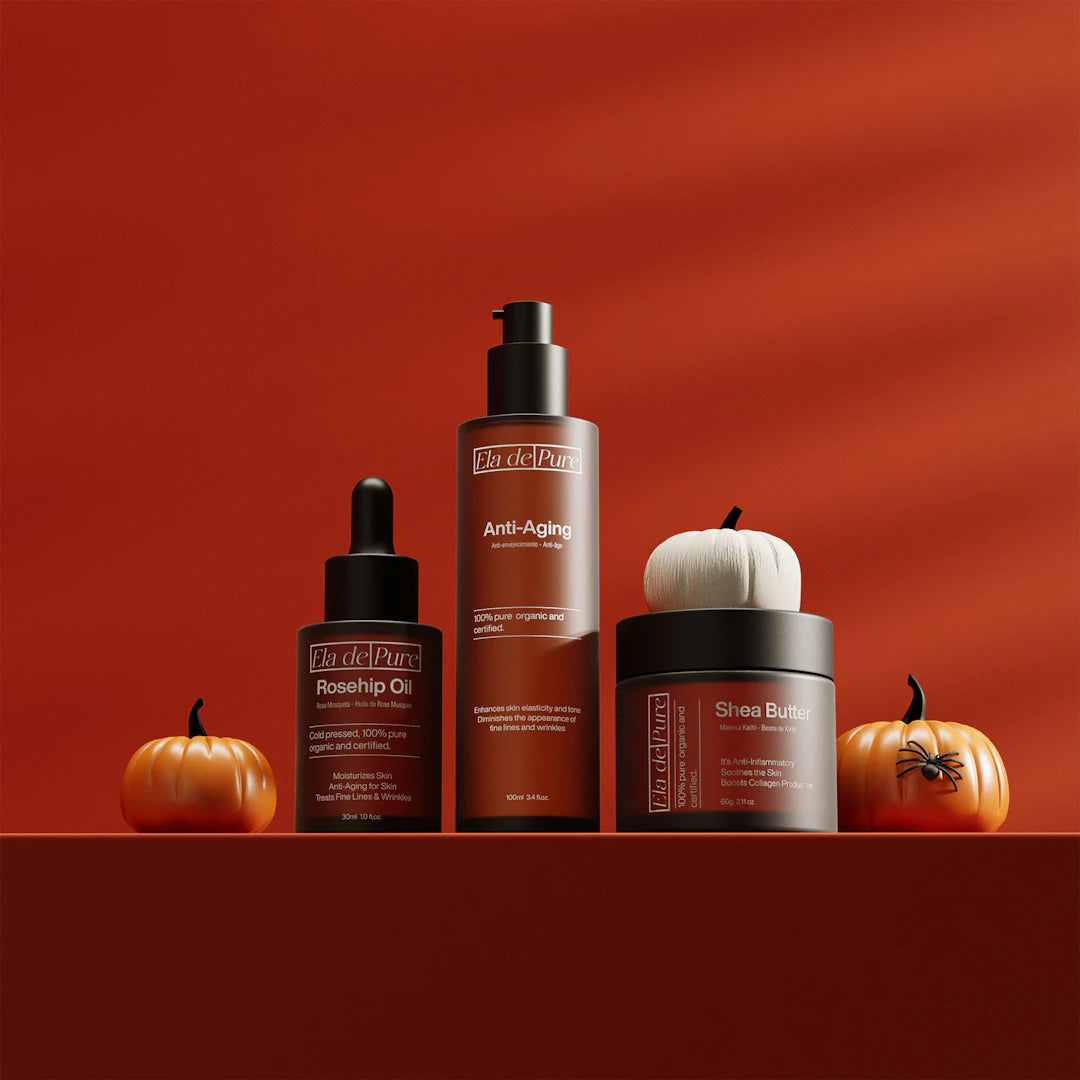
Among the various ingredients you can incorporate into your exfoliation routine, pumpkin extract has gained recognition for its myriad benefits. Not only is it rich in vitamins A and C, which are known for their antiaging properties, but it also contains natural enzymes that gently exfoliate the skin.
The benefits of pumpkin extract extend beyond exfoliation. Its high antioxidant content helps to fight free radicals that cause skin damage, making it a star ingredient in many skincare products aimed at creating a youthful appearance. Additionally, it promotes hydration, essential for maintaining a healthy and luminous complexion.
Creating Your Custom Exfoliation Routine
Designing a personalized exfoliation routine can feel overwhelming, but with the right approach, it can become a rewarding experience. Start by assessing your skin type and concerns. Do you struggle with oiliness, dryness, or signs of aging? Once you identify your needs, consider incorporating both physical and chemical exfoliation methods in moderation. This combination can provide the best results while offering variety to your skincare practice.
Listening to Your Skin
Always pay attention to how your skin responds to exfoliation. If your skin feels irritated or sensitized, scale back your exfoliation frequency or consider switching to a gentler product. Effective skincare is about balance, so finding what works best for you is crucial.
Maintaining a Holistic Skincare Approach
Exfoliation is just one piece of the puzzle when it comes to a successful skincare routine. To truly unlock your skin's potential, consider pairing exfoliation with other essential practices, such as adequate hydration, sun protection, and nourishing ingredients.
For optimal results, integrate a daily toner to help balance your skin's pH, along with rejuvenating serums featuring potent antioxidants. Also, ensure you consume a balanced diet rich in vitamins, as what you put into your body influences your skin's health. Foods high in omega-3 fatty acids, antioxidants, and vitamins can work wonders for your complexion.
Exfoliation: The Secret to Radiant, Youthful Skin
In conclusion, understanding the role of exfoliation in your skincare routine can significantly impact your overall skin health. By embracing the various exfoliation techniques and recognizing the standout benefits of ingredients like pumpkin extract, you're well on your way to achieving glowing skin that defies time. Remember, the key to radiant skin doesn't lie in a single product but in a comprehensive approach. Start today and watch your skin transform!
Glossary
| Term | Meaning |
|---|---|
| Exfoliation | The process of removing dead skin cells from the skin's surface. |
| Physical Exfoliation | Using tools or products to scrub away dead skin cells. |
| Chemical Exfoliation | Using acids or enzymes to dissolve dead skin cells. |
| Alpha Hydroxy Acids (AHAs) | Water-soluble acids derived from fruits, used for exfoliation. |
| Beta Hydroxy Acids (BHAs) | Oil-soluble acids effective for oily and acne-prone skin. |
| Pumpkin Extract | A natural ingredient rich in vitamins and enzymes for exfoliation. |
| Skin Barrier | The outer layer of skin that protects against environmental damage. |
| Patch Test | A method to check for skin irritation before using a new product. |
| Moisturizer | A product used to hydrate and protect the skin after exfoliation. |
| Sunscreen | A product that protects skin from harmful UV rays, especially after exfoliation. |
Linked Product

Microdermabrasion
Microdermabrasion offers a gentle yet effective way to exfoliate the skin, utilizing bamboo beads to remove dead skin cells without causing irritation. Infused with pumpkin extract and vitamins, it helps to soothe and repair the skin, promoting a healthier complexion. This product can be seamlessly integrated into your skincare routine, especially when combined with beauty oils or laser treatments for enhanced results.
View Product