Unmasking Truth: Common Skin Care Myths Debunked
Overview
In this article, readers will explore common skincare myths that can hinder their skin health and learn the truth behind them. By debunking misconceptions about moisturizers, sunscreen, and natural ingredients, the piece aims to empower individuals to make informed decisions for their skincare routines. Ultimately, understanding these myths will help readers achieve healthier, more radiant skin through evidence-based practices.
Table of Contents
- Myth 1: Oily Skin Doesn’t Need Moisturizer
- What to Look For in Moisturizers
- Myth 2: Sunscreen Isn’t Necessary on Cloudy Days
- Incorporating Sunscreen into Your Routine
- Myth 3: You Can Shrink Pores
- Improving Pore Appearance
- Myth 4: Natural Ingredients Are Always Better
- Finding the Right Ingredients
- Myth 5: You Should Use Hot Water for Cleansing
- Optimal Cleansing Techniques
- Myth 6: You Don’t Need to Change Your Routine
- Signs You Need to Update Your Routine
- Myth 7: Expensive Products Are Always Better
- Smart Shopping Tips
- Myth 8: Makeup Causes Acne
- Makeup Tips for Acne-Prone Skin
- Myth 9: Darker Skin Tones Don’t Require Sunscreen
- Protecting All Skin Types
- Myth 10: Drinking Water Will Clear Your Skin
- Enhancing Skin Health Through Hydration
- Empower Your Skincare Journey
Key Takeaways
- Oily skin still needs moisturizer: Choose light, non-comedogenic options to prevent increased oil production.
- Sunscreen is essential every day: UV rays can penetrate clouds; use broad-spectrum SPF even on overcast days.
- Pore size cannot be changed: Improve appearance with regular exfoliation and proper hydration.
- Natural ingredients aren’t always better: Evaluate products based on efficacy, not just their natural or synthetic label.
- Use lukewarm water for cleansing: Hot water can strip skin oils, leading to dryness and irritation.
- Skincare routines should evolve: Adjust your products based on changes in your skin condition.
- Price doesn’t guarantee quality: Effective products can be budget-friendly; focus on ingredients rather than price.
In the ever-evolving world of beauty and skincare, there are countless myths and misconceptions that can lead consumers astray. Understanding what is true and what is simply folklore can make a significant difference in your skin's health and appearance. Whether you're exploring the benefits of a glycolic acid peel or simply trying to develop a solid skincare routine, it’s essential to sift through these myths to make informed decisions. Let’s dive into some of the most common skincare myths and shed light on the truth behind them.
Myth 1: Oily Skin Doesn’t Need Moisturizer
One widespread belief is that if your skin is oily, it doesn’t require additional moisture. This is far from the truth. Every skin type, including oily, benefits from hydration. The key lies in choosing the right moisturizer. For oily skin, look for light, non-comedogenic options that won’t clog your pores. Neglecting hydration can actually lead to increased oil production as your skin tries to compensate for the lack of moisture.
What to Look For in Moisturizers
- Oil-free formulations
- Water-based gels
- Ingredients like hyaluronic acid or glycerin
Myth 2: Sunscreen Isn’t Necessary on Cloudy Days
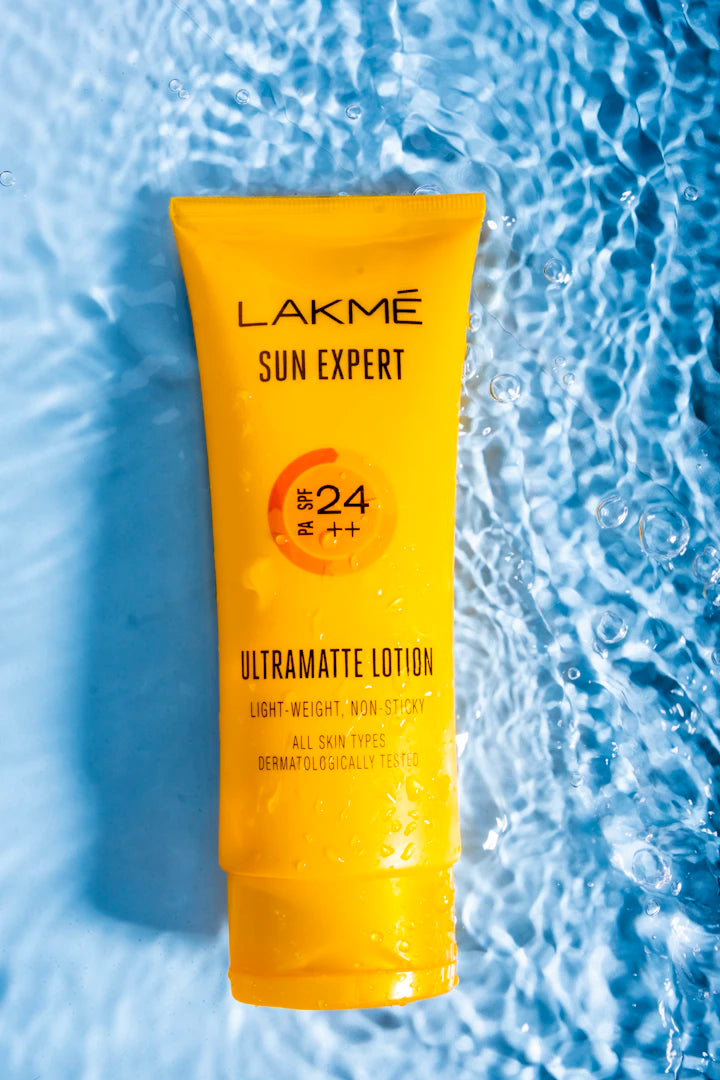
Many people believe that sunscreen is only needed on sunny days. However, up to 80% of UV rays can still penetrate clouds, providing a false sense of security. Regular use of sunscreen is crucial for protecting your skin from premature aging and skin cancer, regardless of the weather. Incorporate a broad-spectrum SPF into your daily routine, even on overcast days.
Incorporating Sunscreen into Your Routine
Here are some tips for making sunscreen an unmissable part of your skincare:
- Apply it as the final step in your morning routine.
- Reapply every two hours if you are outdoors.
- Consider a moisturizer with SPF for added protection.
Myth 3: You Can Shrink Pores
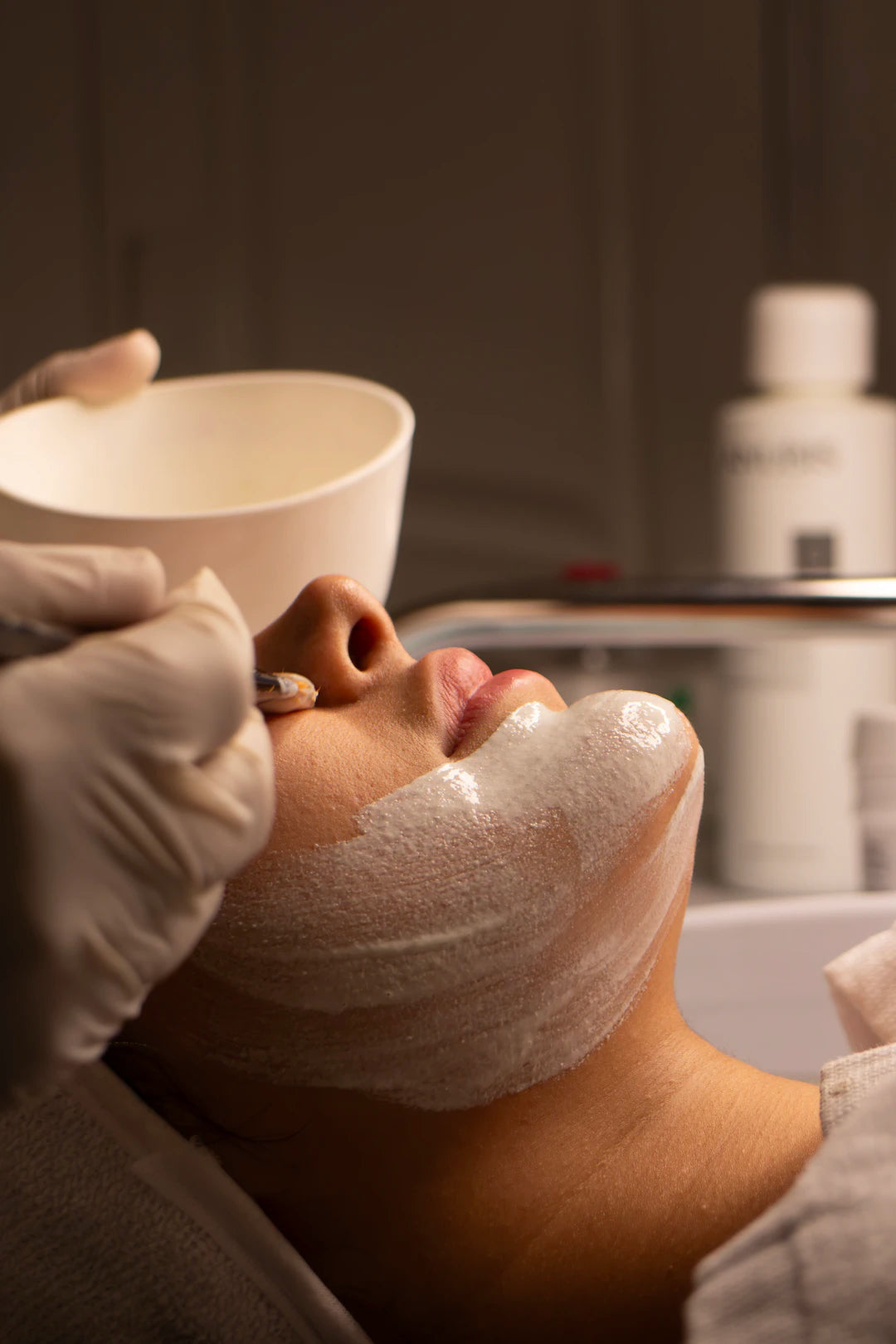
This is one of the most persistent myths in skincare. While you can improve the appearance of your pores, it’s impossible to physically change their size. Pores may appear larger due to dirt, oil, or lack of exfoliation. Regular exfoliation, such as with a glycolic acid peel, can help keep your pores clear and refined, allowing them to appear smaller.
Improving Pore Appearance
Here are some effective methods to improve the appearance of enlarged pores:
- Use exfoliants like glycolic or salicylic acid.
- Incorporate a good cleanser into your routine.
- Regularly hydrate your skin.
Myth 4: Natural Ingredients Are Always Better
While many natural ingredients can be great for the skin, it doesn't mean they are automatically superior to synthetic options. Some natural products can cause irritation or allergic reactions, while some synthetic ingredients are very beneficial and safe. Always research and choose products based on their efficacy rather than their natural versus synthetic label.
Finding the Right Ingredients
The best approach is to focus on the specific benefits of the ingredients you plan to use:
- Look for ingredients that suit your skin type.
- Consider how ingredients work together.
- Understand any potential side effects.
Myth 5: You Should Use Hot Water for Cleansing
Some believe that hot water will give a deeper cleanse. However, using hot water can strip your skin of its natural oils, leading to dryness and irritation. Aim for lukewarm water when cleansing your face and body. It cleanses effectively without compromising your skin’s barrier.
Optimal Cleansing Techniques
Here are some methods to optimize your cleansing routine:
- Use lukewarm water to avoid stripping the skin.
- Apply the cleanser gently—no harsh scrubbing.
- Follow up with a proper moisturizer.
Myth 6: You Don’t Need to Change Your Routine
Many people believe that a skincare routine is a “set it and forget it” aspect of their regimen. However, as your skin changes due to factors like age, environment, and hormonal shifts, so too should your skincare products and routines. Regularly assess your skin’s condition and adjust your routine accordingly.
Signs You Need to Update Your Routine
Look for these signs that might indicate it’s time for a change:
- New breakouts or acne flare-ups
- Increased dryness or irritation
- Loss of glow or uneven texture
Myth 7: Expensive Products Are Always Better
Many consumers believe that higher-priced products yield better results. While some premium products may offer advanced formulas or specialty ingredients, price does not guarantee effectiveness. It’s entirely possible to achieve great results with budget-friendly products. Always check the ingredient list and the specific benefits rather than just the price tag.
Smart Shopping Tips
Here’s how to make informed purchases without breaking the bank:
- Read reviews and ingredient lists carefully.
- Do a patch test before committing to new products.
- Look for sales and discounts to try out new brands.
Myth 8: Makeup Causes Acne
Another prevalent myth is that wearing makeup will inevitably lead to acne breakouts. The reality is that makeup itself does not cause acne; however, the wrong products can contribute to it. Non-comedogenic formulas, which are designed not to clog pores, can help you achieve a beautiful look without the added stress on your skin.
Makeup Tips for Acne-Prone Skin
If you struggle with acne, consider these tips:
- Always remove makeup before bed.
- Choose products labeled as “non-comedogenic.”
- Incorporate gentle cleansing into your routine.
Myth 9: Darker Skin Tones Don’t Require Sunscreen
This myth can lead to severe skin consequences. While darker skin tones do have more melanin and some natural protection against UV damage, they still need protection from the sun. Everyone, regardless of their skin tone, should wear sunscreen daily to reduce the risk of skin cancer and hyperpigmentation.
Protecting All Skin Types
Here are some preventative measures everyone should take:
- Apply broad-spectrum SPF daily.
- Reapply sunscreen every two hours when outdoors.
- Seek shade, especially during peak sun hours.
Myth 10: Drinking Water Will Clear Your Skin
While hydration is essential for overall health, drinking excessive amounts of water will not necessarily lead to clearer skin. Skin clarity depends on various factors, including your skincare routine, diet, and genetics. Staying hydrated will support skin health, but it’s not a cure-all for blemishes or breakouts.
Enhancing Skin Health Through Hydration
To effectively support your skin through hydration:
- Focus on a balanced diet rich in vitamins.
- Pair hydration with a good skincare routine.
- Consider supplements like omega fatty acids.
Empower Your Skincare Journey
Understanding the truth behind these common skincare myths can empower you to make informed decisions about your skin health. Whether it's incorporating a glycolic acid peel into your routine or adjusting how you cleanse your face, embracing factual information will allow your skin to thrive. Remember, effective skincare is a journey, not a one-size-fits-all solution. By staying informed and adapting, you can uncover the best version of your skin.
Frequently Asked Questions
1. Do oily skin types need moisturizer?
2. Is sunscreen necessary on cloudy days?
3. Can you really shrink your pores?
4. Are natural ingredients always better for skincare?
5. Does drinking water clear up skin?
Glossary
| Term | Meaning |
|---|---|
| Glycolic Acid Peel | A chemical exfoliant that helps clear pores and improve skin texture. |
| Non-Comedogenic | Products designed not to clog pores, reducing acne risk. |
| Broad-Spectrum SPF | Sun protection factor that shields against both UVA and UVB rays. |
| Hydration | The process of maintaining moisture levels in the skin. |
| Exfoliation | The removal of dead skin cells to improve skin appearance. |
| Lukewarm Water | Water temperature that is warm but not hot, ideal for cleansing. |
| Skin Routine | A consistent regimen of products and practices for skin care. |
| Patch Test | A method to check for allergic reactions before using a new product. |
| Omega Fatty Acids | Essential fats that support skin health and hydration. |
| Melanin | A pigment that provides some natural protection against UV damage. |
Linked Product

Chemical Peel
The Chemical Peel offers a convenient at-home solution for deep cleansing and exfoliating the skin. Formulated with salicylic and glycolic acid, these pads help refine pores and promote natural cell turnover, contributing to smoother and more radiant skin. For enhanced results, this product pairs well with Water Molecule Beauty Oil.
View Product