The Amazing Benefits of Adding Serums to Your Routine
Overview
If you're looking to enhance your skincare routine, incorporating a serum can make a significant difference. These lightweight, fast-absorbing formulas deliver potent ingredients directly to the skin, targeting issues like dryness, fine lines, and dullness. With the right application techniques and product choices, you can effectively address your unique skin concerns and achieve a radiant complexion.
Table of Contents
- What Exactly is a Serum?
- Why Should You Add a Serum to Your Skincare Routine?
- Deep Penetration of Active Ingredients
- Lightweight and Multi-Functional
- Non-Comedogenic Formulas
- How to Choose the Right Serum for Your Skin Type
- Identify Your Skin Concerns
- Read the Ingredients List
- How to Use Serums: A Step-by-Step Guide
- Cleanse Your Skin
- Apply Toner (Optional)
- Dispense the Serum
- Gently Massage into Skin
- Allow Absorption
- Serum Application Tips for Maximum Efficacy
- Layer Correctly
- Consistency is Key
- Be Patient
- Complement your Serum with Other Skincare Products
- Moisturizers
- SPF
- Combining Different Serums
- The Role of Serums in Preventative Skincare
- Experience Radiant Skin: The Serum Revolution
Key Takeaways
- High Concentration of Active Ingredients: Serums deliver potent ingredients directly into the skin, effectively targeting specific issues like fine lines and dryness.
- Lightweight Formulation: Their lightweight nature allows serums to be layered easily under other skincare products without feeling heavy.
- Non-Comedogenic Options: Many serums are formulated to be non-comedogenic, making them suitable for all skin types, including oily and acne-prone skin.
- Targeted Solutions: Choose serums based on your specific skin concerns, such as hydration, brightening, or anti-aging.
- Proper Application Method: Apply serums on clean skin, allowing time for absorption before layering other products.
- Consistency is Essential: For optimal results, incorporate serums into your routine both morning and night.
- Complement with Other Products: Use serums alongside moisturizers and SPF for enhanced effectiveness and protection.
Serums are quickly becoming a favorite in the skincare community, and for good reason. With their high concentration of active ingredients, they offer a targeted approach to tackling specific skin concerns. If you’re wondering about the benefits of serums and why you should consider adding one to your skincare regimen, then you’re in the right place! In this article, we'll delve into the various advantages, the optimal ways to incorporate serums, and some essential serum application tips. By the end, you’ll be equipped with all the knowledge you need to elevate your skin to new heights.
What Exactly is a Serum?
A serum is a lightweight, fast-absorbing liquid that delivers high concentrations of active ingredients directly into the skin. Unlike moisturizers, which are designed to lock in moisture, serums focus on treatment and repair. They are typically formulated with smaller molecules that penetrate deeply, targeting specific issues like dryness, dullness, fine lines, and wrinkles.
Why Should You Add a Serum to Your Skincare Routine?
The first question on everyone’s mind is, "What are the real benefits of serums?" Here are some compelling reasons why you should consider using one:
Deep Penetration of Active Ingredients
One of the standout benefits of serums is their ability to deliver potent ingredients directly into the skin layers. This is crucial for addressing specific skin concerns, such as:
- Fine Lines and Wrinkles: Serums containing ingredients like hyaluronic acid or peptides can help hydrate and plump the skin.
- Dryness: Many serums target hydration, ensuring your skin stays youthful and radiant.
- Dullness: Brightening serums can restore your skin's natural glow.
Lightweight and Multi-Functional
One of the primary benefits of serums is that they are generally lightweight. Unlike heavy creams, serums can easily layer under other skincare products. This means you can effectively combine multiple serums to target various issues, from hydration to anti-aging.
Non-Comedogenic Formulas
Many serums are formulated to be non-comedogenic, making them suitable for all skin types, including oily and acne-prone skin. This is especially important for individuals who struggle with breakouts, as layering heavy creams can exacerbate the situation.
How to Choose the Right Serum for Your Skin Type
Not all serums are created equal. It’s essential to select one that aligns with your specific skin needs. Here are some tips to help you choose:
Identify Your Skin Concerns
Before purchasing a serum, list your primary skin concerns. Are you dealing with:
- Aging signs like fine lines and wrinkles?
- Persistent dryness or hydration issues?
- A dull complexion that needs brightening?
Focusing on these areas will help you narrow down your options.
Read the Ingredients List
Look for serums that contain ingredients known for their effectiveness. For instance:
- Hyaluronic Acid: Excellent for hydration.
- Vitamin C: Known for brightening and antioxidant properties.
- Retinol: Great for anti-aging.
How to Use Serums: A Step-by-Step Guide
Once you’ve found the perfect serum, it’s time to learn how to use serums effectively. Follow these steps for optimal results:
Cleanse Your Skin
Before applying any serum, start with a clean slate. Wash your face with a gentle cleanser suited for your skin type to remove dirt, oil, and makeup.
Apply Toner (Optional)
If you use a toner, apply it after cleansing. This can help prep your skin to absorb the serum better.
Dispense the Serum
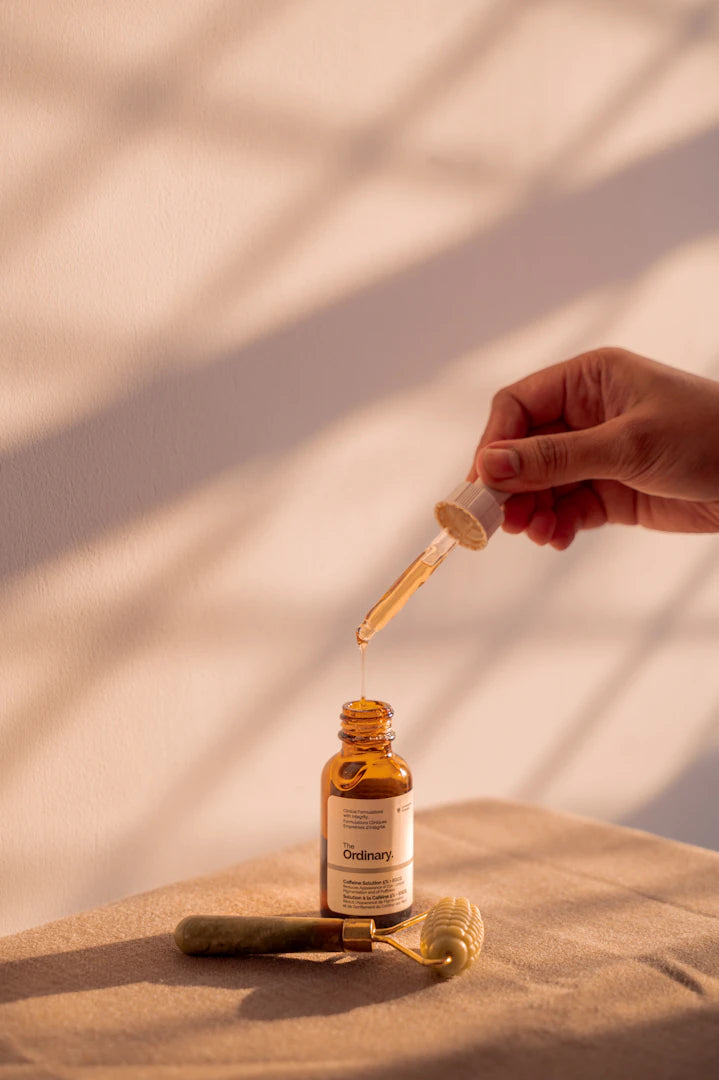
Use a dropper or pump to dispense 2-3 drops of serum. Less is often more; start with a small amount and gradually increase as needed.
Gently Massage into Skin
Using your fingertips, gently massage the serum into your skin. Focus on areas that need extra attention, and avoid the eye area unless indicated by the product.
Allow Absorption
Give the serum a moment to absorb before applying your next skincare product, whether that’s a moisturizer or an eye cream.
Serum Application Tips for Maximum Efficacy
In addition to knowing how to use serums, implementing some essential serum application tips can amplify your results:
Layer Correctly
Apply serums in the correct order. Generally, you should apply from thinnest to thickest. For instance, a hydrating serum should go on before a thicker, more emollient one.
Consistency is Key
To see real results, consistency is vital. Aim to incorporate the serum into your routine both morning and night.
Be Patient
Many serums take time to show visible results. It’s important to give your skin time to adjust and to allow the active ingredients to work their magic.
Complement your Serum with Other Skincare Products
For the best skincare outcomes, consider how your serum can be complemented with other products in your regimen. Here are a few combinations that work well:
Moisturizers
A serum works seamlessly with a good moisturizer. While the serum penetrates deeply to treat specific issues, the moisturizer will help lock in that hydration and create a protective barrier over your skin.
SPF
If you’re using a serum during the day that contains active ingredients, applying SPF afterward is essential. This protects your skin from sun damage, especially if you’re using products like retinol that can increase sun sensitivity.
Combining Different Serums
Layering different serums can also enhance your skincare routine. If you decide to combine, be sure they target different concerns—for example, using a hydrating serum along with a brightening one. However, always check your skin’s reaction and avoid layering ingredients that may irritate.
The Role of Serums in Preventative Skincare
Incorporating serums into your routine serves as a proactive measure against aging, dullness, and other skincare concerns. Regular use can maintain your skin’s health and vitality long-term, making it a worthy investment.
Experience Radiant Skin: The Serum Revolution
By now, it’s clear how the benefits of serums far outweigh any drawbacks. From deep penetration of active ingredients to their lightweight formulas, serums are an essential element in modern skincare. With the right choice and proper application, you can transform your skin and embrace a radiant appearance. So why wait? Dare to unlock your skin’s full potential and elevate your skincare routine by adding a serum today!
Frequently Asked Questions
1. What is a serum?
2. What are the benefits of using serums?
3. How do I choose the right serum for my skin type?
4. How should I properly apply a serum?
5. Can I combine different serums in my skincare routine?
Glossary
| Term | Meaning |
|---|---|
| Serum | A lightweight liquid with high concentrations of active ingredients for targeted skin treatment. |
| Active Ingredients | Compounds in skincare products that provide specific benefits, such as hydration or anti-aging. |
| Non-Comedogenic | Formulations that do not clog pores, suitable for all skin types, including oily and acne-prone. |
| Hyaluronic Acid | A powerful humectant that attracts moisture to hydrate the skin. |
| Vitamin C | An antioxidant known for brightening skin and reducing signs of aging. |
| Retinol | A derivative of Vitamin A, effective for anti-aging and improving skin texture. |
| Moisturizer | A product that hydrates and locks in moisture to maintain skin barrier function. |
| SPF | Sun Protection Factor; a measure of how well a sunscreen protects against UV radiation. |
| Layering | The practice of applying multiple skincare products in a specific order for optimal benefits. |
| Consistency | Regular application of skincare products to achieve and maintain desired results. |
Linked Product

Micro Serum
The Micro Serum is designed to provide an intensive treatment that focuses on anti-aging benefits. With its high concentration of Proprietary Peptides, it supports the restoration of collagen and elastin to improve firmness, elasticity, tone, and texture of the skin. This serum can be a valuable addition to any skincare routine aimed at addressing the signs of aging.
View Product