When to Seek Help: Consulting a Dermatologist
Overview
Consulting a dermatologist is crucial for maintaining skin health. Signs indicating the need for an appointment include persistent skin issues, unusual changes in moles, severe itchiness, rashes that don't go away, hair and scalp problems, and desires for cosmetic treatments. During your visit, expect a thorough consultation, examination, diagnosis, and a tailored treatment plan. Prioritizing skin health is essential for overall well-being, so don’t hesitate to seek professional help when needed.
Frequently Asked Questions
1. What is the role of a dermatologist?
2. When should I consult a dermatologist?
3. What should I expect during my dermatology visit?
4. How can I choose the right dermatologist for me?
5. Why is prioritizing skin health important?
The skin is the largest organ in our body, and taking care of it is essential for overall health and well-being. Many of us can manage minor skin issues at home, but there are times when a trip to the dermatologist is a must. This article will guide you through the signs that indicate it's time to consult a dermatologist, what to expect during your visit, and why prioritizing your skin health is essential.
Understanding the Role of a Dermatologist
A dermatologist is a medical professional specializing in skin, hair, and nail conditions. They are experts in diagnosing and treating a variety of skin issues, from common problems to complex diseases. Some key aspects of a dermatologist's role include:
- Evaluating and treating skin conditions such as acne, eczema, and psoriasis.
- Monitoring changes in moles and skin for signs of skin cancer.
- Providing guidance on skin care routines and products.
- Administering cosmetic procedures to address signs of aging, such as anti wrinkles treatments.
Common Signs It's Time to Consult a Dermatologist
Recognizing when to consult a dermatologist can be challenging. Here are some common signs that you should seek professional advice:
Persistent Skin Issues
If you have a skin condition that doesn't seem to improve with over-the-counter treatments or home remedies, it’s time to consult a dermatologist. Conditions like chronic acne, eczema, and rosacea require specialized treatment plans that only a dermatologist can provide.
Unusual Changes in Moles or Skin
Changes in the appearance of moles or skin lesions can be a sign of a serious condition, including skin cancer. If you notice any of the following changes, it's crucial to seek help:
- A mole or spot that grows or changes color.
- An irregular or asymmetrical border.
- A mole that bleeds, crusts over, or won’t heal.
Severe Itchiness or Irritation
Chronic itchiness can be more than just a minor annoyance; it can be the result of skin disorders, allergies, or even infections. A dermatologist can help identify the underlying cause and provide effective treatment options.
Rash That Doesn’t Go Away
If you've developed a rash that persists after trying topical treatments, it’s advisable to consult a dermatologist. Rashes can arise from various causes, including allergic reactions or infections, and professional evaluation may be necessary for proper diagnosis.
Hair and Scalp Issues
Dermatologists don't just treat skin conditions; they also address hair and scalp problems. If you're experiencing sudden hair loss, flaking, or itching, it's time for a specialized consultation.
Desire for Cosmetic Treatments
Many people are interested in enhancing their appearance, whether it’s achieving a youthful glow or reducing the appearance of fine lines and anti wrinkles. A dermatologist can offer various procedures and skincare solutions to help meet these goals safely and effectively.
What to Expect During Your Dermatology Visit
When you decide to seek help from a dermatologist, knowing what to expect can alleviate any anxiety or apprehension. Here’s a breakdown of the typical process:
Initial Consultation
During your first appointment, the dermatologist will take a detailed history of your skin concerns. Be prepared to discuss:
- Your medical history, including previous skin issues.
- Your lifestyle and skincare routine.
- Any medications or supplements you are taking
Honesty and transparency about your skin habits can lead to a more tailored treatment plan.
Examination and Diagnosis
After collecting your medical history, the dermatologist will perform a physical examination of your skin, hair, and nails. They may also take photographs of moles or lesions for tracking purposes if needed. Based on this assessment, they will provide a diagnosis and discuss treatment options.
Treatment Plan
Treatment of skin conditions can vary widely. Depending on your specific needs, your dermatologist might recommend:
- Prescription medications, such as topical creams or oral medications for acne or inflammatory conditions.
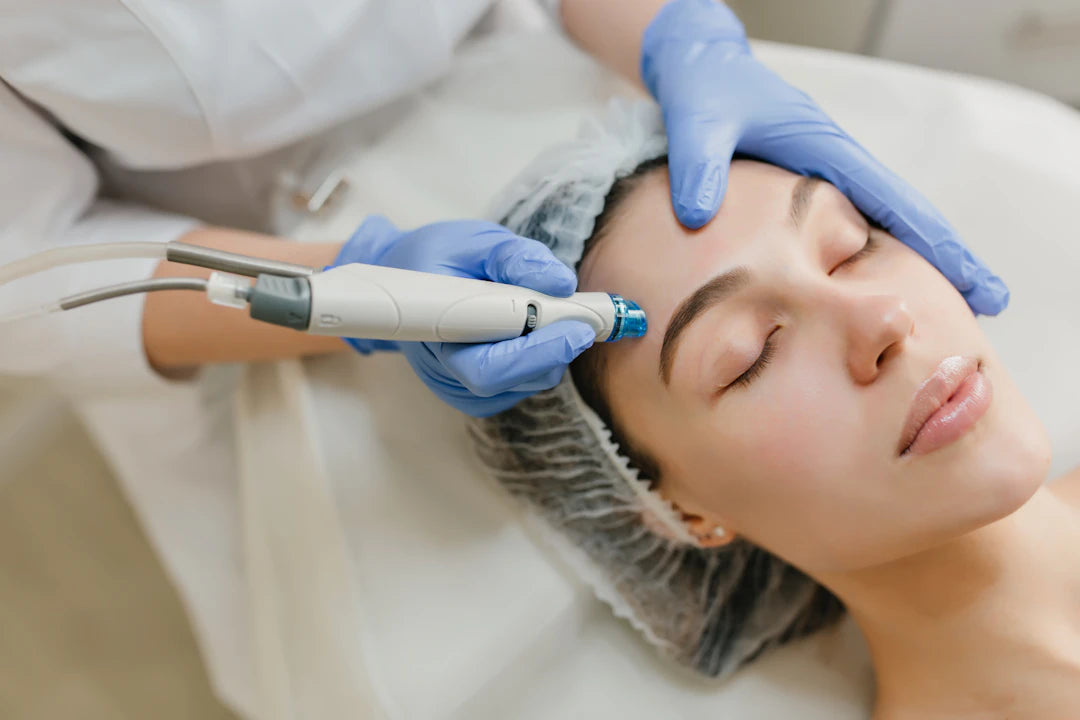
- In-office procedures, such as cryotherapy or laser therapy, to treat skin lesions or signs of aging.
- Referral to other specialists if necessary.
Follow-Up Care
Some skin conditions require ongoing monitoring. Your dermatologist may schedule follow-up appointments to assess your progress and adjust your treatment plan as needed.
Choosing the Right Dermatologist for You
Finding a qualified and compatible dermatologist is crucial for your skin health journey. Here are some tips to help you make an informed choice:
- Research Credentials: Ensure the dermatologist is board-certified and has experience in treating the conditions you need help with.
- Check Reviews: Patient reviews can provide insights into the dermatologist's approach, communication style, and effectiveness.
- Consider Accessibility: Choose a practitioner with convenient office hours and a location that suits your needs.
- Evaluate Communication: A good dermatologist should be open to answering your questions, addressing concerns, and explaining treatment options.
The Importance of Skin Health
Prioritizing your skin health is essential, not only for aesthetic reasons but also for overall well-being. Healthy skin serves as a protective barrier against infections, helps regulate body temperature, and supports immune function. Additionally, skin conditions can have emotional and psychological impacts, making it even more crucial to seek help when needed.
Regular visits to a dermatologist and staying self-aware of changes in your skin can lead to early intervention, ultimately leading to better outcomes. Remember, it’s okay to seek help for both cosmetic concerns, like anti wrinkles, and medical issues; a dermatologist is equipped to support you in both areas.
Final Thoughts: Invest in Your Skin!
Your skin deserves the best, and consulting a dermatologist is a proactive step towards maintaining its health. If you're experiencing ongoing issues, or if you're simply looking to improve your appearance, don’t hesitate to make that appointment. When in doubt, trust your instincts—your skin is worth it!
Linked Product

Hydrate & Protect Bundle
The Hydrate & Protect Bundle combines a hyaluronic acid serum with a broad-spectrum sunscreen to address common summer skin concerns. The Water Molecule Serum helps maintain moisture levels, while EltaMD UV Clear SPF 46 offers lightweight sun protection suitable for sensitive skin types. Together, they provide a balanced approach to hydration and defense against UV damage during the warmer months.
View Product