Unlock the Power of Serums for Glowing Skin
Overview
Serums are lightweight, fast-absorbing skincare products packed with active ingredients that target specific skin concerns like dryness, aging, and uneven tone. Choosing the right serum depends on your skin type, and incorporating serums into your routine can enhance hydration, improve texture, and boost the effectiveness of other products. Layering different serums can provide tailored benefits, and they should always be followed with a moisturizer. Consistent use can lead to significant improvements in skin health.
Table of Contents
- What Are Serums?
- The Importance of Active Ingredients
- Choosing the Right Serum for Your Skin Type
- Benefits of Using Serums
- 1. Targeted Treatment
- 2. Improved Skin Texture
- 3. Enhanced Hydration
- 4. Boosts Other Products' Effectiveness
- 5. Lightweight and Fast-Absorbing
- How to Incorporate Serums into Your Routine
- The Magic of Layering Serums
- 1. Light to Heavy
- 2. Focus on Ingredient Harmony
- 3. Monitor Your Skin's Response
- Common Myths About Serums
- 1. Serums Are Only for Aging Skin
- 2. Using Multiple Serums is Harmful
- 3. You Don’t Need a Moisturizer After a Serum
- Creating Your Serum Arsenal
- Make It Part of Your Daily Ritual
Key Takeaways
- Serums are lightweight and fast-absorbing: They penetrate deeply into the skin, delivering concentrated active ingredients effectively.
- Active ingredients are key: Look for serums containing botanical extracts, vitamins, peptides, and hyaluronic acid for targeted skin benefits.
- Choose serums based on your skin type: Select oil-free serums for oily skin, hydrating ones for dry skin, and gentle formulas for sensitive skin.
- Serums improve skin texture: Exfoliating ingredients in serums can promote smoother skin and a brighter complexion over time.
- Layering serums can enhance results: Use lighter serums first and combine complementary ingredients to target multiple concerns.
- Always follow serums with a moisturizer: This step helps to lock in hydration and maximize the serum's benefits.
- Regularly assess your skin's needs: Adjust your serum choices based on seasonal changes and specific skin concerns.
Frequently Asked Questions
1. What are serums in skincare?
2. What are the benefits of using serums?
3. How do I choose the right serum for my skin type?
4. Can I layer multiple serums?
5. Do I still need to use a moisturizer after applying a serum?
In the ever-evolving world of skincare, serums have emerged as a vital element in many beauty routines. These concentrated formulations promise a plethora of benefits—from skin texture improvement to antiaging properties. In this comprehensive guide, we will delve into what serums are, their various types, and how they can elevate your skincare regimen.
What Are Serums?
Serums are lightweight, fast-absorbing liquids filled with potent active ingredients. Unlike traditional creams, which are often thicker and may contain heavier emollients, serums are designed to penetrate deeply into the skin. This unique formulation allows the active ingredients to work effectively, targeting specific skin concerns such as dryness, fine lines, and uneven skin tone.
The Importance of Active Ingredients
Active ingredients in serums are what set them apart from other skincare products. Typically, these ingredients are derived from various sources, including:
- Botanical extracts: Naturals like green tea, aloe vera, and chamomile.
- Vitamins: Essential nutrients like Vitamin C and E.
- Peptides: Chains of amino acids known for their antiaging benefits.
- Hyaluronic Acid: A natural hydrator that retains moisture.
Choosing the Right Serum for Your Skin Type
Understanding your skin type is crucial when selecting the right serum. Here’s a simple guide to help you:
- Oily Skin: Look for serums with lightweight, oil-free formulas. Ingredients like salicylic acid can help reduce excess oil and prevent breakouts.
- Dry Skin: Opt for hydrating serums that contain hyaluronic acid or glycerin to boost moisture levels.
- Combination Skin: A balancing serum with both hydrating and oil-controlling properties would work best.
- Sensitive Skin: Choose gentle serums with soothing ingredients like aloe vera or calendula.
Benefits of Using Serums
Integrating a serum into your skincare routine can significantly enhance your skin's overall health. Here are some key benefits:
1. Targeted Treatment
Serums are designed to address specific skin issues. Whether you’re combating signs of aging, dark spots, or uneven skin tones, there’s likely a serum aimed at resolving your skin concerns. The concentrated nature of serums allows for more intensive treatment compared to moisturizers or lotions.
2. Improved Skin Texture
One of the most sought-after advantages of using serums is skin texture improvement. Serums that contain exfoliating agents such as glycolic acid or lactic acid can help slough off dead skin cells, promoting smoother skin and a brighter complexion. Over time, you may notice a marked difference in your skin’s feel and appearance.
3. Enhanced Hydration
Many serums offer deep hydration, benefitting all skin types. Serums with hyaluronic acid can hold up to 1000 times their weight in water, making them essential for those looking to quench dry, thirsty skin. They help maintain a plump, youthful appearance—crucial in the realm of antiaging.
4. Boosts Other Products' Effectiveness
When layered correctly, serums can amplify the effectiveness of the other skincare products you use. Applying a serum before your moisturizer allows the active ingredients to penetrate deeply, ensuring that your skin receives maximum benefits from your whole skincare routine.
5. Lightweight and Fast-Absorbing
Unlike heavier creams, serums are lightweight and absorb quickly into the skin. This allows for a more comfortable application and a quicker skincare regimen. No one wants to wait for their skincare products to dry before applying makeup, and serums solve this issue effortlessly.
How to Incorporate Serums into Your Routine
To maximize the benefits of your chosen serum, follow these simple steps:
- Cleanse: Always start with a clean face. Use a gentle cleanser to remove dirt, oil, and makeup.
- Tone: Apply a toner to help prepare your skin and enhance absorption.
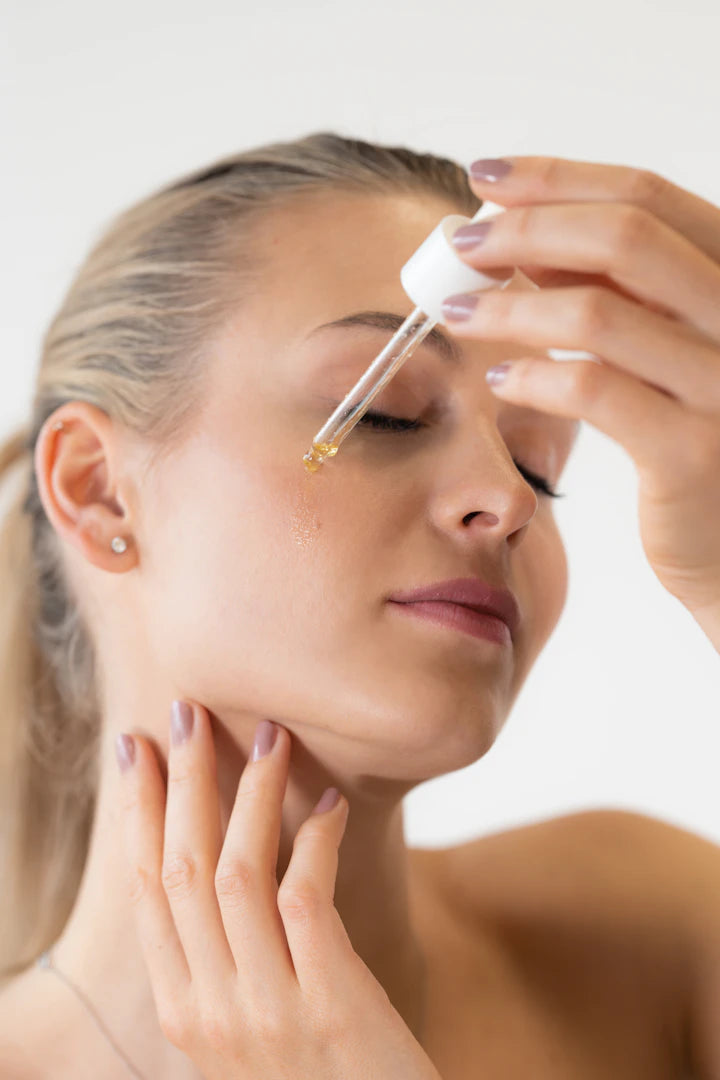
- Apply Serum: Use a few drops and gently massage the serum into your skin. Focus on areas of concern.
- Moisturize: Lock in the benefits of the serum by applying a good moisturizer suitable for your skin type.
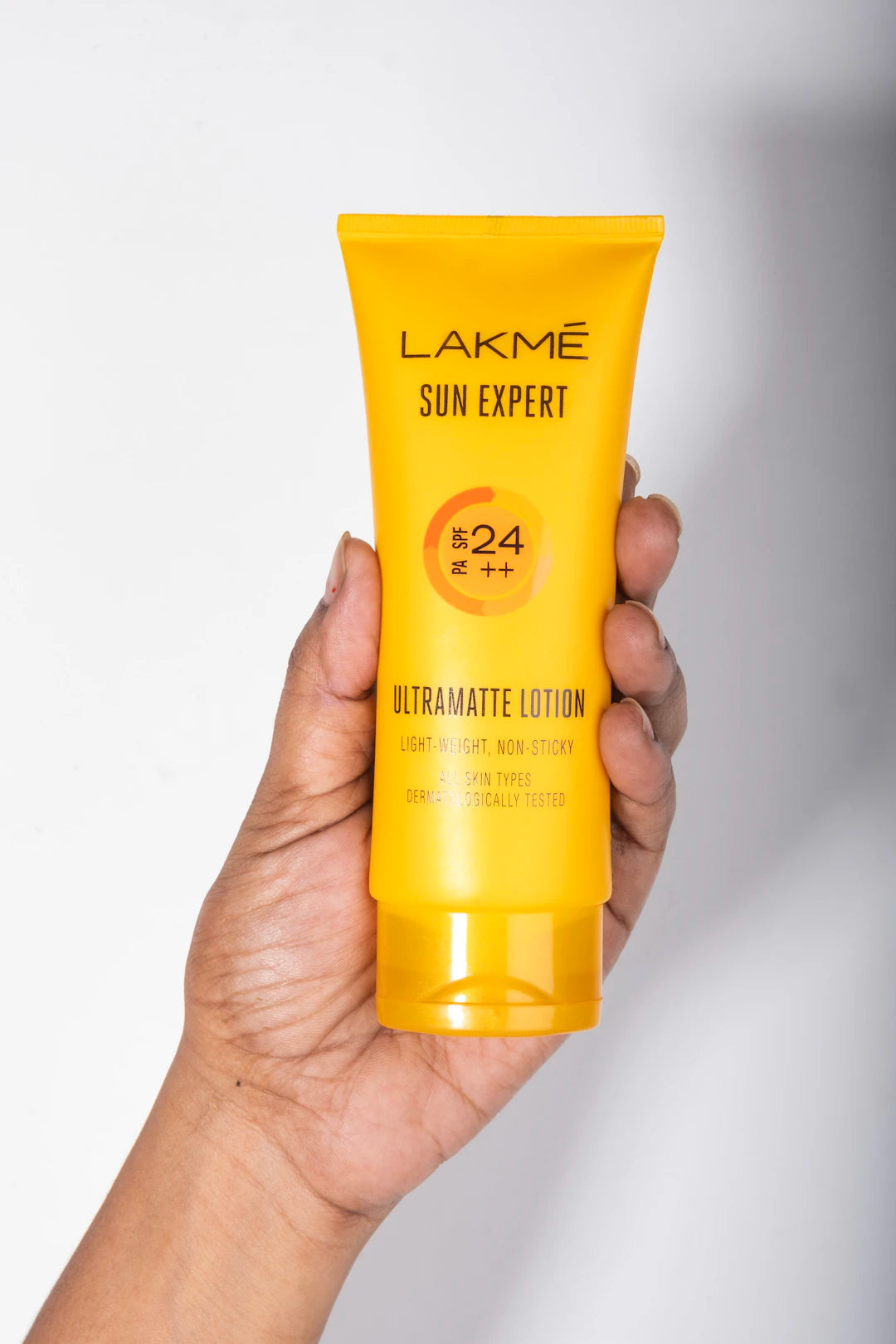
- Sunscreen: If it’s daytime, finish with a broad-spectrum sunscreen to protect your skin.
The Magic of Layering Serums
Did you know that you can layer different serums for even more tailored benefits? Here’s how to do it effectively:
1. Light to Heavy
Start with the lightest, most watery serum before applying thicker ones. This ensures maximum absorption without any clogging of the skin.
2. Focus on Ingredient Harmony
Layer serums with complementary ingredients to target multiple concerns without irritating your skin. For example, combining a hyaluronic acid serum with a vitamin C serum can enhance hydration while providing antioxidant protection.
3. Monitor Your Skin's Response
When introducing new products, it’s essential to monitor how your skin reacts. Should you notice irritation, adjust the frequency or combination of serums you are using.
Common Myths About Serums
Despite their popularity, there are several myths about serums that need debunking:
1. Serums Are Only for Aging Skin
While many serums do target signs of aging, there is an array of formulations designed for various concerns relevant to all ages. Whether you have acne, pigmentation, or dryness, there’s a serum that can help.
2. Using Multiple Serums is Harmful
When layered appropriately, using multiple serums can provide a synergistic effect, enhancing your skincare routine. The key is to be mindful of the ingredients and monitory your skin's response.
3. You Don’t Need a Moisturizer After a Serum
While serums provide tremendous benefits, they should not be considered a replacement for moisturizers. To maintain hydration and seal in benefits, always follow up with a suitable moisturizer.
Creating Your Serum Arsenal
Building a collection of serums tailored to your skin's needs can transform your skincare routine. Here's how to go about it:
- Identify Concerns: Assess your skin to determine what issues you want to address.
- Research Ingredients: Look for serums containing the active ingredients that align with your concerns.
- Consider Season: Your skin's needs may change with the seasons; adjust your serum usage accordingly.
- Patch Test: Always perform a patch test before fully incorporating a new serum into your routine.
Make It Part of Your Daily Ritual
Incorporating serums into your daily skincare regimen can be a game-changer. The visible results, including skin texture improvement and antiaging benefits, can empower you to embrace your natural beauty. With consistency, patience, and the right choices, your skin can flourish like never before—a perfect blend of care and clarity.
Empower your skincare game with the benefits of serums, and watch how they transform your skin. With tailored choices and dedicated routines, you’ll find that every drop is a step toward radiant, rejuvenated skin.
Glossary
| Term | Meaning |
|---|---|
| Serum | A lightweight, fast-absorbing liquid with concentrated active ingredients. |
| Active Ingredients | Potent compounds that target specific skin concerns. |
| Hyaluronic Acid | A natural hydrator that retains moisture in the skin. |
| Exfoliating Agents | Ingredients like glycolic acid that help remove dead skin cells. |
| Moisturizer | A product used to hydrate and lock in moisture after serum application. |
| Patch Test | A method to check for skin reactions before using a new product. |
| Layering | The practice of applying multiple serums for enhanced benefits. |
| Skin Type | A classification that helps determine suitable skincare products. |
| Botanical Extracts | Naturally derived ingredients used for their skin benefits. |
| Peptides | Chains of amino acids known for promoting skin firmness and elasticity. |
Linked Product

Micro Serum
The Micro Serum is designed to deliver a concentrated dose of Proprietary Peptides that promote collagen and elastin restoration. It targets various signs of aging, such as firmness, elasticity, tone, and texture, making it suitable for those looking to enhance their skincare routine. This serum can be seamlessly integrated into daily regimens for improved skin appearance.
View Product