Nourishing Your Skin: Unleash the Power of Masks
Overview
If you're looking to elevate your skincare routine, face masks offer a perfect blend of relaxation and targeted treatment for various skin concerns. With options ranging from hydrating gel masks to clarifying clay masks, you can easily find the right type for your unique needs. Discover how to effectively incorporate these masks into your regimen for healthier, glowing skin.
Table of Contents
- The Allure of Face Masks
- Understanding the Benefits of Face Masks
- Diving Into Different Types of Face Masks
- Cream Masks
- Sheet Masks
- Clay Masks
- Peel-Off Masks
- Gel Masks
- How to Use Face Masks Effectively
- Step 1: Cleanse Your Face
- Step 2: Exfoliate (Optional)
- Step 3: Apply the Mask
- Step 4: Relax
- Step 5: Rinse or Peel Off
- Step 6: Follow-Up Care
- The Frequency of Use
- Personalizing Your Routine
- Elevate Your Skin Hydration Strategy
- Common Mistakes to Avoid
- Embrace the Ritual of Self-Care
Key Takeaways
- Face masks offer multiple benefits, including deep cleansing, hydration, soothing effects, brightening, and anti-aging properties.
- Different types of face masks cater to various skin types: cream masks for dry skin, sheet masks for convenience, clay masks for oily skin, peel-off masks for exfoliation, and gel masks for soothing.
- Effective usage involves six key steps: cleanse, exfoliate (optional), apply the mask, relax, rinse or peel off, and follow up with moisturizer.
- Frequency of use should be tailored to individual skin needs, generally one to two times a week is recommended.
- Common mistakes to avoid include overusing masks, neglecting skin type, skipping aftercare, and exceeding recommended application times.
- Personalizing your routine by mixing different masks can address varying skin needs throughout the week.
- Enhancing hydration with serums and moisturizers in conjunction with masks can significantly improve skin health and appearance.
In the ever-evolving world of skincare, face masks have carved a niche that combines relaxation and nourishment, acting as a treatment for various skin concerns. As we move into 2026, it’s the perfect time to embrace these transformative products into your skincare routine. This blog post will explore the benefits of face masks, the types of face masks available, and how to use face masks effectively to achieve that gorgeous glow.
The Allure of Face Masks
Face masks are more than just a luxurious indulgence; they are a powerful tool in the skincare arsenal. They can help address numerous skin concerns, providing hydration, exfoliation, and healing effects, depending on their formulation. With options for every skin type, masks can cater to oily, dry, combination, and sensitive skin alike.
Understanding the Benefits of Face Masks
When considering which masks to incorporate into your routine, it's essential to understand their unique benefits:
- Deep Cleansing: Many face masks are designed to pull impurities from the skin, ensuring that your pores are clear and free from excess oil and debris.
- Intensive Hydration: Masks containing ingredients like hyaluronic acid can provide an extra boost of moisture, crucial for maintaining skin elasticity and a youthful appearance.
- Soothing and Calming: Masks infused with calming ingredients such as aloe vera or chamomile help reduce redness and irritation, making them perfect for sensitive skin types.
- Brightening Effects: Incorporating masks with vitamin C can enhance your complexion, promoting radiance and a more even skin tone.
- Anti-Aging Benefits: Many masks are enriched with antioxidants that combat free radicals, slowing down the aging process and helping to minimize fine lines and wrinkles.
Diving Into Different Types of Face Masks
Now that we understand the numerous benefits of face masks, let’s delve into the various types of face masks available on the market:
Cream Masks
Cream masks are rich in hydrating ingredients and are perfect for dry skin. They typically provide a luxurious feel and can be left on for extended periods, allowing the skin to absorb moisture deeply.
Sheet Masks
These pre-cut, fabric masks are soaked in serums and are incredibly convenient. They are perfect for on-the-go use and deliver a concentrated dose of nourishing ingredients directly onto the skin.
Clay Masks
Clay masks are fantastic for oily and acne-prone skin, as they absorb excess oil and help to draw out impurities from the pores. They can leave the skin feeling clean and revitalized.
Peel-Off Masks
These masks adhere to the skin and are removed in one go, effectively pulling away dead skin cells and impurities as they are taken off. They often leave the skin feeling smooth and refreshed.
Gel Masks
Ideal for soothing irritated skin, gel masks are typically hydrating and can be cooling on the skin. They are a fantastic option for post-sun exposure or for calming inflamed skin.
How to Use Face Masks Effectively
Incorporating face masks into your skincare routine requires a few simple steps for optimal effectiveness. Here are tips on how to use face masks:
Step 1: Cleanse Your Face
Begin by cleansing your face thoroughly to remove dirt, oil, and makeup. A clean canvas ensures that the mask can work its magic without obstruction.
Step 2: Exfoliate (Optional)
If necessary, exfoliate your skin to remove dead skin cells. This can enhance the mask's effectiveness, allowing it to penetrate deeply into the skin.
Step 3: Apply the Mask
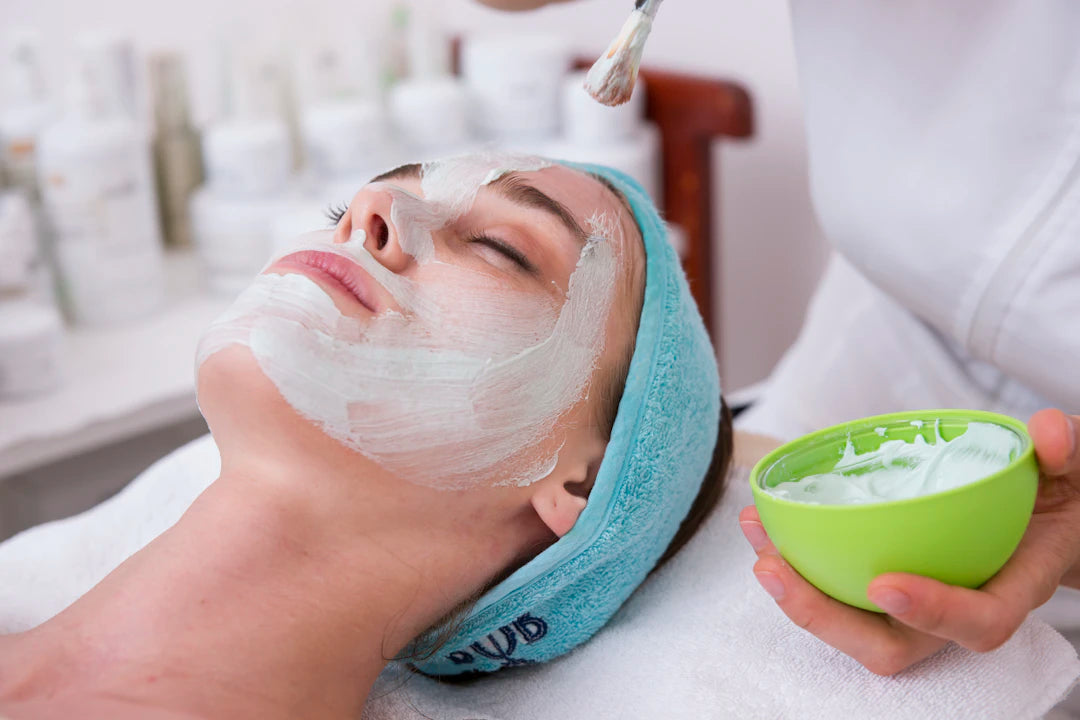
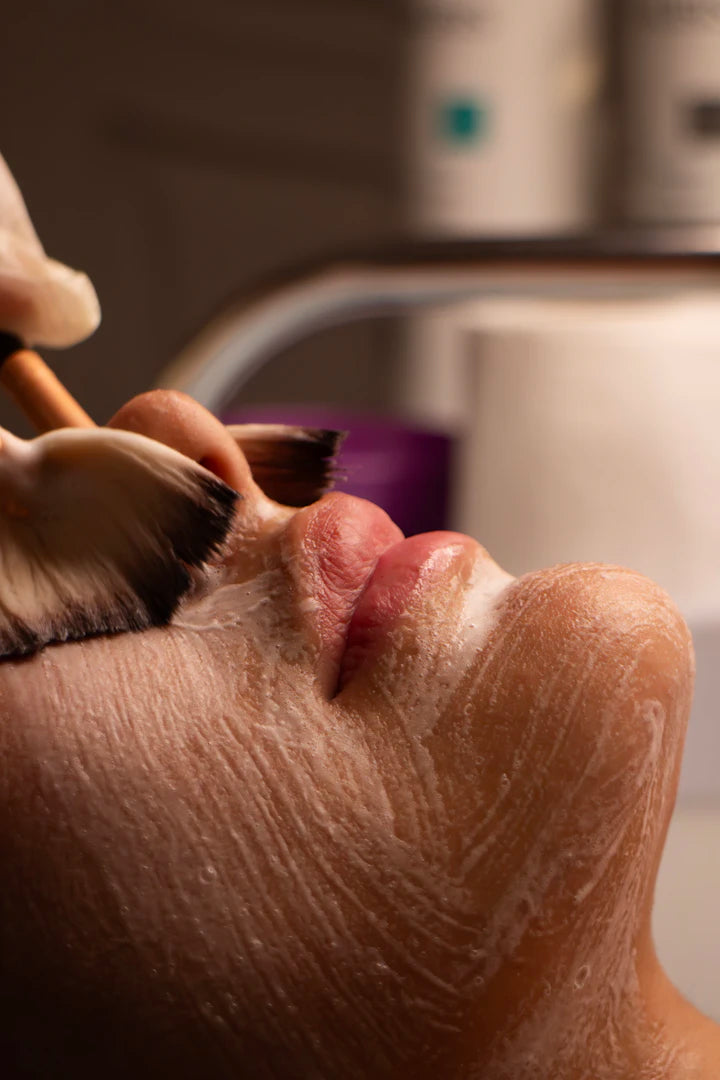
Follow the instructions provided with your face mask for application. Whether it’s using your fingers or a brush, ensure an even layer covers your skin. Avoid the eye area unless specified.
Step 4: Relax
Take this time to unwind! Most masks need around 10-20 minutes to work their magic, so use this time to meditate, read, or enjoy a soothing cup of tea.
Step 5: Rinse or Peel Off
Depending on the type of mask, rinse off thoroughly with lukewarm water or peel it off gently, following the directions. Pat your skin dry with a clean towel.
Step 6: Follow-Up Care
After the mask, apply a moisturizer to lock in hydration and care for the complexion. This step is essential to maintain skin softness and suppleness.
The Frequency of Use
While face masks can be beneficial, it's crucial to use them appropriately. For most skin types, one to two times a week is ideal. However, those with specific skin concerns may want to adjust the frequency based on skin reactions and needs.
Personalizing Your Routine
Don’t hesitate to mix and match different types of face masks according to your skin's needs on different days. For example, you might prefer a hydrating gel mask midweek and a clarifying clay mask over the weekend. Listen to your skin’s responses to find the perfect balance.
Elevate Your Skin Hydration Strategy
In addition to face masks, consider pairing them with potent serums and moisturizers embedded with nourishing ingredients, like those found in the Hydrate & Protect Bundle. This bundle is perfect for summer, combining a hydrating serum that combats transepidermal water loss with a light SPF to shield your skin from harsh UV rays.
Using a hyaluronic acid serum can replenish moisture and enhance the effects of your masks. Moreover, ensuring skin protection with a quality sunscreen is critical to maintaining long-term skin health, especially during hot summer months.
Common Mistakes to Avoid
While using face masks is generally straightforward, several common pitfalls can hinder your results:
- Overusing Masks: Too much of a good thing can lead to irritation. Stick to the recommended frequency.
- Ignoring Your Skin Type: Always select masks suitable for your specific skin type and concerns.
- Forgetting Aftercare: Skipping post-mask moisturizing can lead to dryness, nullifying the benefits you just gained.
- Overexposure: Leaving a mask on for too long may have adverse effects. Always follow the recommended time frame.
Embrace the Ritual of Self-Care
Incorporating face masks into your skincare routine offers more than physical benefits. They provide a dedicated time to pamper yourself, create a moment of peace, and engage in a mindful skincare ritual. With the right knowledge on the benefits of face masks, the assorted types of face masks, and practical tips on how to use face masks, you're on the path to nurturing your skin effectively.
The journey to radiant skin may require perseverance and exploration, but it can also be incredibly rewarding. So go ahead, indulge in self-care, enjoy the rejuvenating effects of your favorite masks, and let your skin thrive. Here’s to nourishing your skin and embracing its beauty every day!
Frequently Asked Questions
1. What are the main benefits of using face masks?
2. What types of face masks are available?
3. How do I effectively use a face mask?
4. How often should I use face masks?
5. What common mistakes should I avoid when using face masks?
Glossary
| Term | Meaning |
|---|---|
| Face Masks | Skincare products applied to the face for various benefits. |
| Cleansing | Removing dirt, oil, and makeup from the skin. |
| Hydration | Providing moisture to the skin to maintain elasticity. |
| Exfoliation | Removing dead skin cells to enhance skin texture. |
| Clay Masks | Masks that absorb oil and impurities, ideal for oily skin. |
| Sheet Masks | Fabric masks soaked in serum for easy application. |
| Peel-Off Masks | Masks that adhere to the skin and are removed in one piece. |
| Gel Masks | Cooling masks that soothe and hydrate the skin. |
| Aftercare | Post-mask moisturizing to lock in hydration. |
| Frequency of Use | Recommended usage of masks, typically 1-2 times a week. |
Linked Product

Hydrate & Protect Bundle
The Hydrate & Protect Bundle combines a hyaluronic acid serum with a broad-spectrum SPF for a complete summer skincare routine. The Water Molecule Serum helps maintain hydration and resilience against moisture loss, while EltaMD SPF 46 offers lightweight sun protection suitable for sensitive, acne-prone skin. Together, these products provide essential defense against UV rays and dehydration, promoting healthy, radiant skin throughout the summer.
View Product