Master the Art of Layering Skin Care Products
Overview
Learn how to effectively layer skincare products for optimal hydration and skin health by understanding your skin type, applying products from thinnest to thickest, and incorporating key ingredients. Customize your routine based on your skin’s needs, ensure sun protection, and embrace rituals that enhance product absorption for healthy, radiant skin.
Table of Contents
- Understanding Your Skin Type
- The Science of Layering Skin Care
- Cleansers
- Toners
- Essences and Serums
- Moisturizers
- Face Oils
- Special Treatments
- Frequency Matters in Your Routine
- Customizing Your Routine
- The Role of Ingredients
- Tips for Effective Layering
- Don't Forget About Sun Protection
- Intriguing Rituals for Enhanced Effectiveness
- Building a Sampler Routine
- Embrace Your Unique Skin Journey
Key Takeaways
- Understand Your Skin Type: Identify whether your skin is oily, dry, combination, or sensitive to tailor your skincare routine effectively.
- Layer from Thinnest to Thickest: Apply products in order of consistency, starting with cleansers and finishing with face oils for optimal absorption.
- Use Ingredients Wisely: Incorporate beneficial ingredients like Hyaluronic Acid, Vitamin C, and Retinol based on your specific skin concerns.
- Patch Test New Products: Always test new products on a small area of skin to avoid potential adverse reactions.
- Incorporate Sun Protection: Use a broad-spectrum SPF of at least 30 daily to prevent premature aging and protect your skin.
- Stay Consistent: Follow your skincare routine regularly for at least a month to assess its effectiveness.
- Customize Your Routine: Adjust your skincare regimen based on seasonal changes and how your skin responds to different products.
Layering skin care products effectively is one of the best ways to achieve healthy and radiant skin. With the right approach, you can address various skin concerns while maximizing the benefits of each product. This guide will explore various techniques and tips on how to layer skin care products for optimal hydration, antiaging, and overall skin health.
Understanding Your Skin Type
Before delving into the technique of layering, it’s essential to understand your skin type. Each skin type—whether oily, dry, combination, or sensitive—requires a different approach to skin care product application. This knowledge will help you curate your routine effectively. Here are the common skin types:
- Oily Skin: Generally characterized by shiny appearance and larger pores.
- Dry Skin: Often feels tight, rough, and may have flakiness.
- Combination Skin: A mix of both oily and dry areas, usually with an oily T-zone.
- Sensitive Skin: Prone to redness, irritation, or allergies.
The Science of Layering Skin Care
When it comes to hydration skincare, layering is crucial for locking in moisture and nourishing the skin. The goal is to apply products in a manner that enhances their effectiveness rather than diluting it. The general rule of thumb is to apply products from the thinnest to the thickest consistency. Here’s a breakdown of the common categories of skin care products and their order of application:
Cleansers
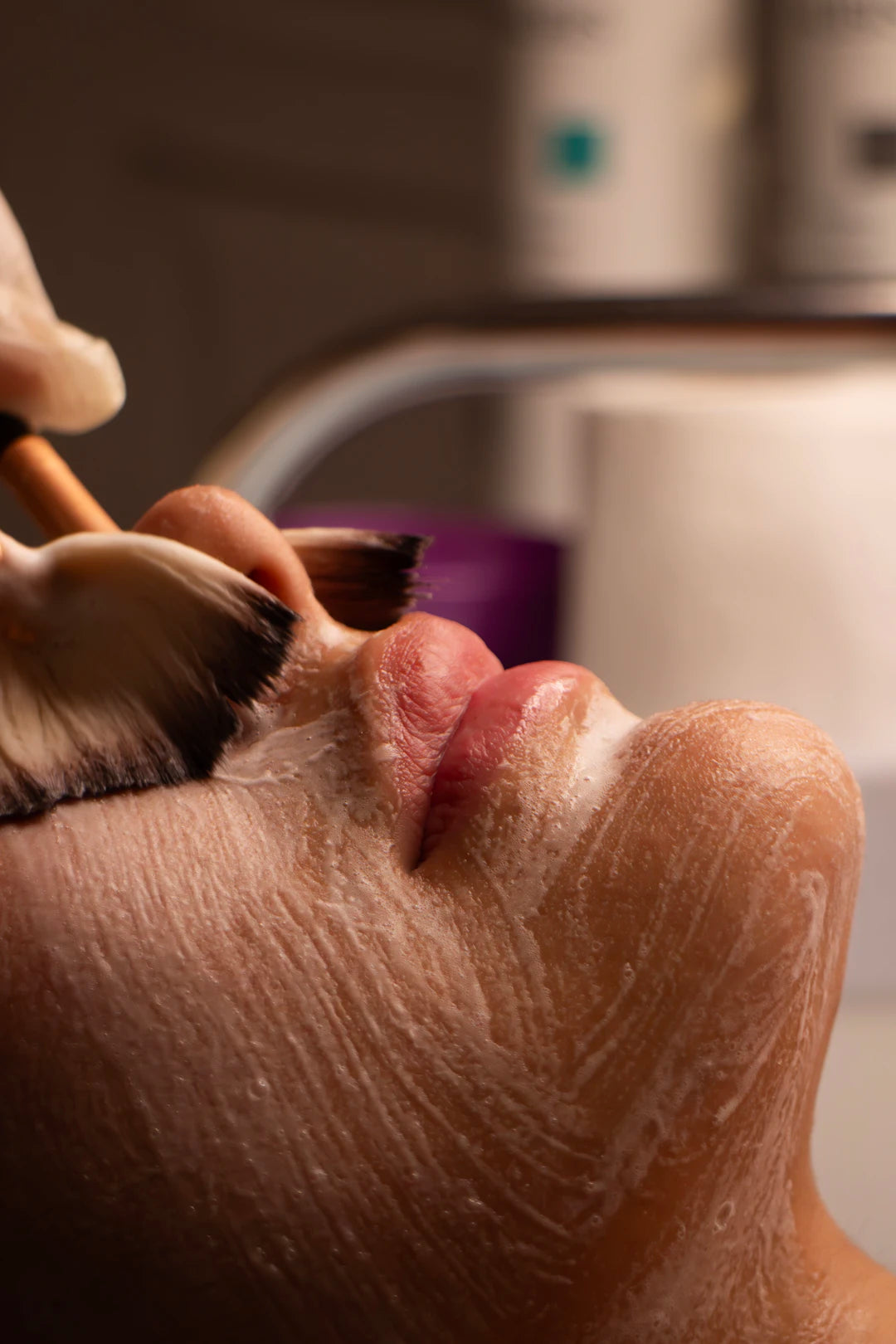
Start with a gentle cleanser to remove impurities and excess oils. This lays the foundation for better absorption of subsequent products. Choose a cleanser that complements your skin type; for instance, gel formulas work well for oily skin, while cream cleansers are great for dry skin types.
Toners
After cleansing, apply toner to further cleanse your skin and prepare it for better absorption of moisturizers and serums. Look for formulations designed for hydration skincare or those infused with soothing botanical extracts. A good toner can also help to balance the skin's pH levels.
Essences and Serums
Essences are lightweight and add extra hydration, while serums target specific skin concerns, such as antiaging. Apply these products to damp skin to lock in moisture effectively. If you’re using multiple serums, consider applying them in layers and allowing each to absorb before moving to the next.
Moisturizers
Moisturizers create a barrier that helps lock in moisture. If you have oily skin, opt for lightweight gel formulas, while those with dry skin may benefit from richer cream textures. This step is crucial for hydration skincare goals, as it provides a protective layer against environmental aggressors.
Face Oils
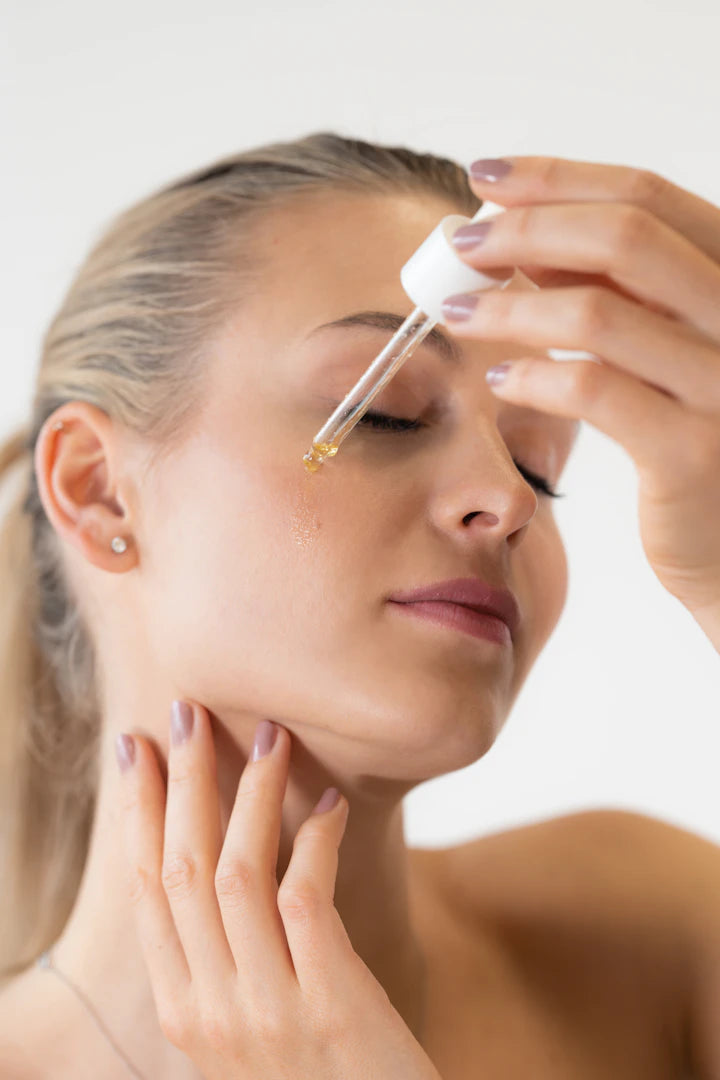
If you incorporate face oils into your routine, they should be the last step in your layering process. They can provide additional hydration and nourishment, sealing in moisture and enhancing the absorption of other products used previously. Remember, a little goes a long way!
Special Treatments
If you're using treatments such as acne treatments or retinoids, it's essential to know where they fit into your skin care routine. Always apply treatment products after cleansing and toning but before serums and moisturizers. This way, you ensure that they are applied directly to the skin without any barriers that may inhibit their effectiveness.
Frequency Matters in Your Routine
Layering isn't only about the order—it also concerns frequency. Some products are meant to be used daily, while others are best used a few times a week. Here’s a quick guide:
- Daily: Cleansers, toners, serums, moisturizers.
- 2-3 times a week: Exfoliators, masks, heavy treatments.
- As needed: Spot treatments for acne or other skin concerns.
Customizing Your Routine
Your skin can change depending on seasons, hormones, and other factors. Therefore, let your skin dictate the changes you make in your skin care routine. Test new products gradually and pay attention to how your skin reacts. This approach will help you find the perfect balance and combination of products that work for you.
The Role of Ingredients
Being ingredient-savvy is crucial to enhancing the effectiveness of your skin care layers. Look for ingredients tailored to your skin concerns, especially for hydration skincare and antiaging needs. Here are some beneficial components to include:
- Hyaluronic Acid: This powerful hydrator attracts moisture to the skin.
- Vitamin C: An antioxidant that brightens skin and promotes collagen production.
- Retinol: Known for its antiaging properties, it reduces fine lines and improves texture.
- Niacinamide: Offers multiple benefits, including oil control and brightening effects.
- Peptides: Help in firming the skin and reducing signs of aging.
Tips for Effective Layering
Here are some tried-and-true tips to optimize your skin care routine:
- Patch Test New Products: Always patch test to avoid adverse reactions.
- Let Products Absorb: Give each layer time to absorb fully before applying the next.
- Be Gentle: Apply products using gentle patting motions instead of rubbing.
- Stay Consistent: Regularity is key! Stick to your routine for at least a month before evaluating results.
- Stay Hydrated: Remember that hydration starts from within. Drink plenty of water throughout the day!
Don't Forget About Sun Protection
No skin care routine is complete without sun protection. Sun damage is one of the leading causes of premature skin aging. Incorporate a broad-spectrum SPF of at least 30 into your morning routine, applied after all your skin care layers but before makeup. It’s a key step for maintaining youthful skin and combating antiaging.
Intriguing Rituals for Enhanced Effectiveness
Your skin deserves to be pampered! Consider incorporating rituals that enhance the effectiveness of your layered products:
- Facial Massages: They can boost circulation and help products penetrate deeper into the skin.
- Steaming: Open up your pores before application to allow better absorption of products.
- Face Masks: Use masks once a week to give your skin an extra boost of hydration or targeted treatment.
Building a Sampler Routine
If you’re just stepping into the world of skin care, try starting with a few core products. Focus on a cleanser, moisturizer, and broad-spectrum SPF, and then gradually introduce serums and specialized treatments as you learn how your skin reacts. This approach makes it easier to identify which products provide effective hydration and antiaging benefits.
Embrace Your Unique Skin Journey
Layering skin care products effectively isn’t a one-size-fits-all approach. It’s about discovering your unique skin needs and shining a light on what works best for you. Patience is essential; your skin may take time to adjust to new layers and routines. Allow it to tell you what it needs, listen closely, and enjoy the journey toward healthier, hydrated, and more youthful skin.
Frequently Asked Questions
1. What is the importance of understanding your skin type in layering skin care products?
2. What is the general order of application when layering skin care products?
3. How often should I use skin care products in my routine?
4. What key ingredients should I look for in skin care products for hydration and antiaging?
5. Why is sun protection important in a skin care routine?
Glossary
| Term | Meaning |
|---|---|
| Layering | The process of applying skin care products in a specific order for maximum effectiveness. |
| Hydration | The act of adding moisture to the skin to maintain its health and appearance. |
| Serum | A concentrated formula targeting specific skin concerns, applied after toners. |
| Moisturizer | A product that locks in moisture and creates a protective barrier on the skin. |
| Toner | A liquid applied after cleansing to prepare the skin for better absorption of products. |
| Essence | A lightweight product that adds extra hydration and enhances skin care benefits. |
| Face Oil | A nourishing oil used as the final step to seal in moisture and enhance absorption. |
| Exfoliator | A product used to remove dead skin cells, typically applied a few times a week. |
| SPF | A sun protection factor that helps shield skin from harmful UV rays. |
| Patch Test | A method of testing new products on a small skin area to check for reactions. |
Linked Product

Hydrate & Protect Bundle
The Hydrate & Protect Bundle combines a hyaluronic acid serum with broad-spectrum sunscreen for a complete summer skincare routine. The Water Molecule Serum helps maintain hydration and resilience against moisture loss, while EltaMD UV Clear SPF 46 offers lightweight sun protection suitable for sensitive, acne-prone skin. Together, these products provide essential defense against UV rays and dehydration, promoting healthy, radiant skin throughout the season.
View Product