Exfoliation: How Often Should You Do It for Glowing Skin?
Overview
Exfoliation is essential for radiant skin, but the frequency varies by skin type: normal (1-3 times a week), oily (2-3 times), dry (once a week), combination (1-2 times), and sensitive (once a week). Choose between physical and chemical methods, and always follow with hydration and sunscreen. Avoid common mistakes like over-exfoliating and using harsh scrubs. Tailor your routine for the best results and enjoy glowing skin!
Frequently Asked Questions
1. What is exfoliation?
2. How often should I exfoliate my skin?
3. What are the different types of exfoliation?
4. What signs indicate that I may need to exfoliate?
5. What are some common mistakes to avoid when exfoliating?
When it comes to achieving radiant, smooth skin, exfoliation plays a crucial role in your skin care routine. But how often should you exfoliate? This question poses a challenge for many, as the answer can vary based on skin types, techniques, and the products used. In this comprehensive guide, we will explore the ins and outs of exfoliation, focusing on how often you should do it, the different methods available, and tips for incorporating it into your day-to-day skin care routine.
Understanding Exfoliation
Exfoliation is the process of removing dead skin cells from the skin's surface. This essential practice offers several benefits, including:
- Improved skin texture
- Enhanced absorption of skincare products
- Reduction of clogged pores
- Stimulated cell renewal
- Promoted a brighter complexion
There are two primary types of exfoliation: physical and chemical. Each method has its advantages and unique ways of addressing skin concerns.
Types of Exfoliation
Physical Exfoliation
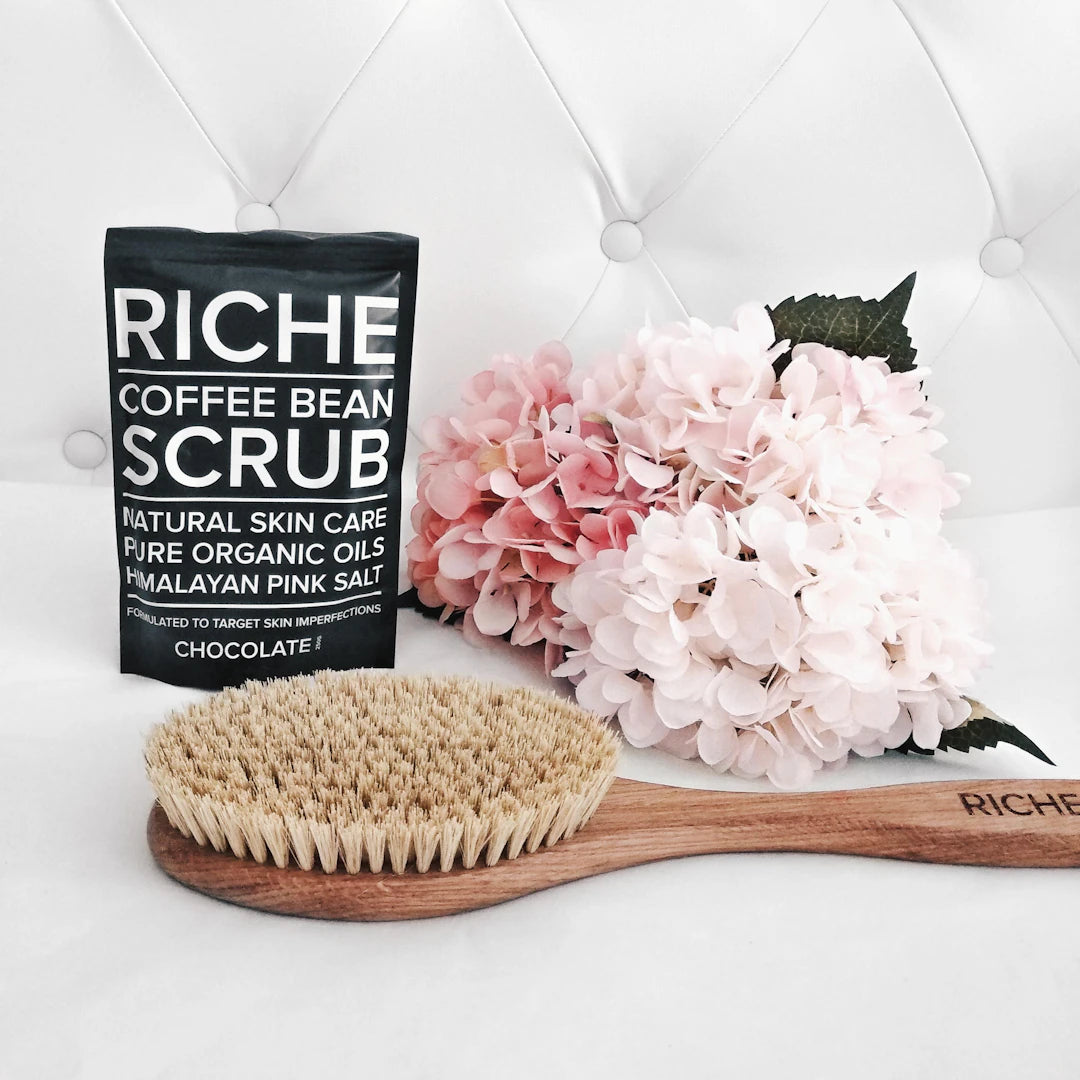
Physical exfoliation involves using a scrub or an exfoliating tool to manually remove dead skin cells. This method can range from gentle facial scrubs to more intense tools like brushes or sponges. While physical exfoliation can be effective, it is crucial to choose the right type for your skin type to avoid irritation.
Chemical Exfoliation
Chemical exfoliation utilizes acids or enzymes to dissolve the bonds holding dead skin cells together. Ingredients such as alpha hydroxy acids (AHAs) and beta hydroxy acids (BHAs) are commonly used in serums or treatments. These substances penetrate deeper into the skin compared to physical methods, leading to a more thorough exfoliation.
How Often Should You Exfoliate?
The frequency of exfoliation can differ from person to person, heavily influenced by skin type and the method employed. Here’s a general breakdown based on skin type:
Normal Skin
For those with normal skin, a balanced approach to exfoliation works best. Exfoliating 1 to 3 times a week helps maintain moisture while effectively removing dead skin.
Oily Skin
Individuals with oily skin often benefit from more frequent exfoliation. They can safely exfoliate 2 to 3 times a week to help manage excess oil and prevent breakouts. Incorporate chemical exfoliation, such as salicylic acid, for enhanced results.
Dry Skin
If you have dry skin, be cautious not to over-exfoliate, as this can further strip moisture. Aim for gentle exfoliation once a week using mild products that hydrate while they exfoliate.
Combination Skin
Combination skin types may require a tailored approach, focusing on the oily areas more than the dry zones. Exfoliating 1 to 2 times a week should suffice, alternating between physical and chemical methods based on needs.
Sensitive Skin
For those with sensitive skin, it's advisable to limit exfoliation to once a week. A gentle chemical exfoliant with lower concentrations will suit this type best to minimize irritation.
Signs You May Need to Exfoliate
Not sure if your skin needs exfoliation? Here are some common signs that may indicate it's time to add this step into your skin care routine:
- Rough patches or uneven texture
- Dull complexion
- Clogged pores
- Breakouts or acne
- Products not absorbing effectively
How to Incorporate Exfoliation into Your Routine
Exfoliation can be a seamless part of your skin care routine with a few simple steps. Here’s how to effectively add it without causing stress to your skin:
Start Slowly
If you're new to exfoliation, start with once a week and gradually increase your frequency based on your skin's tolerance. This approach minimizes the risk of irritation.
Choose the Right Products
Select exfoliating products that match your skin type. Gentle scrubs, enzyme masks, or chemical exfoliants should complement your current regimen. Consider your skin's response and adjust as necessary.
Follow with Hydration
After exfoliating, apply a hydrating serum or moisturizer. This helps replenish lost moisture and maintain skin barrier health. Using sunscreen daily is also crucial, especially after exfoliation, as skin may be more sensitive to sun exposure.
Stay Observant
Paying attention to how your skin reacts post-exfoliation is essential. If you notice irritation or discomfort, consider adjusting the frequency or type of exfoliation.
Microdermabrasion and Its Benefits
Microdermabrasion is a popular, non-invasive procedure that gently exfoliates the outermost layer of skin. Often performed in a professional setting, it can also be done at home with specific devices. The benefits of microdermabrasion include:
- Reduction of fine lines and wrinkles
- Improved skin tone and texture
- Minimized appearance of scars or blemishes
- Enhancing the effectiveness of skincare products
This treatment can be a valuable addition to your skin care routine, especially for those looking for quick, visible results.
Common Mistakes to Avoid
While exfoliation is an essential part of maintaining healthy skin, it’s easy to make mistakes. To ensure your exfoliation efforts are beneficial, avoid the following:
- Over-exfoliating: More isn’t always better. Stick to the recommended frequency for your skin type.
- Using harsh scrubs: Avoid products with large, abrasive particles that can damage the skin.
- Neglecting hydration: Remember to follow up with a hydrating product to replenish the skin's moisture.
- Ignoring SPF: Always apply sunscreen to protect your freshly exfoliated skin from sun damage.
Exfoliation Myths Debunked
With so much information available, it's easy to believe myths surrounding exfoliation. Let’s set the record straight:
Myth 1: You Should Exfoliate Daily
While some skin types might tolerate daily exfoliation, most should limit this practice to avoid irritation. Follow guidelines suited to your specific skin needs.
Myth 2: All Exfoliants are the Same
Different skin types require different exfoliating methods. Tailor your approach using either physical or chemical exfoliants that fit your skin’s unique requirements.
Myth 3: Exfoliation is Only for the Face
Exfoliation can benefit all areas of the body, including the neck, décolletage, and even the back. Don't forget to show those areas some love and attention as well.
Getting the Most Out of Your Exfoliation
To reap the best results from your exfoliation, consider these tips:
- Pair exfoliation with a consistent skin care routine for maximum effectiveness.
- Be mindful of other treatments and avoid combining multiple potent ingredients like retinoids and acids on the same day.
- Always remember to patch-test new products to gauge your skin’s reaction.
Exfoliation can significantly transform your skin's appearance when done correctly and at the right frequency. By understanding the needs of your skin and tailoring your approach, you’ll be well-equipped to achieve glowing, healthy skin.
Your Journey to Radiant Skin Starts Here
Now that you have the knowledge about exfoliation and how often to do it, the next step is to implement these insights into your delightful skin care routine. Remember, patience and consistency are key. Your journey to radiant, rejuvenated skin awaits. So, gather your tools, and let’s brighten up that complexion together!
Linked Product

Microdermabrasion
Microdermabrasion offers a gentle yet effective way to exfoliate the skin using bamboo beads that help remove dead skin cells without causing irritation. The inclusion of pumpkin extract and vitamins helps to soothe and repair the skin, promoting a healthier appearance. This product is suitable for those looking to enhance their skincare routine and achieve a smoother complexion.
View Product