The Transformative Power of Exfoliation for Healthy Skin
Overview
If you're aiming for radiant, healthy skin, exfoliation is a key step you shouldn't overlook. Regularly removing dead skin cells enhances texture, promotes cell turnover, and reveals a brighter complexion. By understanding the different exfoliation methods and their benefits, you can effectively incorporate this practice into your skincare routine for a more luminous and youthful appearance.
Table of Contents
- Understanding Exfoliation: What It Is and Why It Matters
- Physical Exfoliation: Scrubs and Tools
- Chemical Exfoliation: Acids and Enzymes
- The Many Benefits of Exfoliation
- Promotes Skin Cell Turnover
- Improves Skin Texture
- Brightens the Complexion
- Minimizes the Appearance of Pores
- Reduces Acne and Blemishes
- Enhances Other Skin Care Products
- Incorporating Exfoliation into Your Skin Care Routine
- Frequency of Exfoliation
- Choose the Right Exfoliant
- Listen to Your Skin
- Common Mistakes to Avoid with Exfoliation
- Elevate Your Skin Game Through Proper Exfoliation
Key Takeaways
- Exfoliation is essential for maintaining healthy skin, as it removes dead skin cells and promotes a radiant complexion.
- There are two main types of exfoliation: physical (using scrubs and tools) and chemical (using acids and enzymes), each with unique benefits.
- Regular exfoliation stimulates skin cell turnover, improving texture and enhancing the effectiveness of other skin care products.
- Exfoliation brightens the complexion by sloughing off dull skin, leading to a more vibrant and youthful appearance.
- It minimizes the appearance of pores by clearing out clogged pores, which helps reduce acne and improves overall skin texture.
- Frequency matters: Sensitive skin should be exfoliated once a week, while normal to combination skin can handle two to three times a week.
- Listen to your skin and adjust your exfoliation routine based on how your skin reacts to avoid irritation and damage.
In the quest for radiant and healthy skin, many people overlook the crucial role of exfoliation. Exfoliation is more than just a beauty buzzword; it’s a foundational step in any effective skin care routine. Understanding the benefits of exfoliation can enhance your skin texture, promote cell turnover, and reveal a luminous complexion. In this article, we'll uncover the various facets of exfoliation and how it contributes to maintaining glowing, youthful skin.
Understanding Exfoliation: What It Is and Why It Matters
Exfoliation is the process of removing dead skin cells from the surface of your skin. Over time, without proper exfoliation, these dead cells can accumulate, leading to a dull appearance. There are two main types of exfoliation: physical and chemical. Each method has its unique benefits and techniques.
Physical Exfoliation: Scrubs and Tools
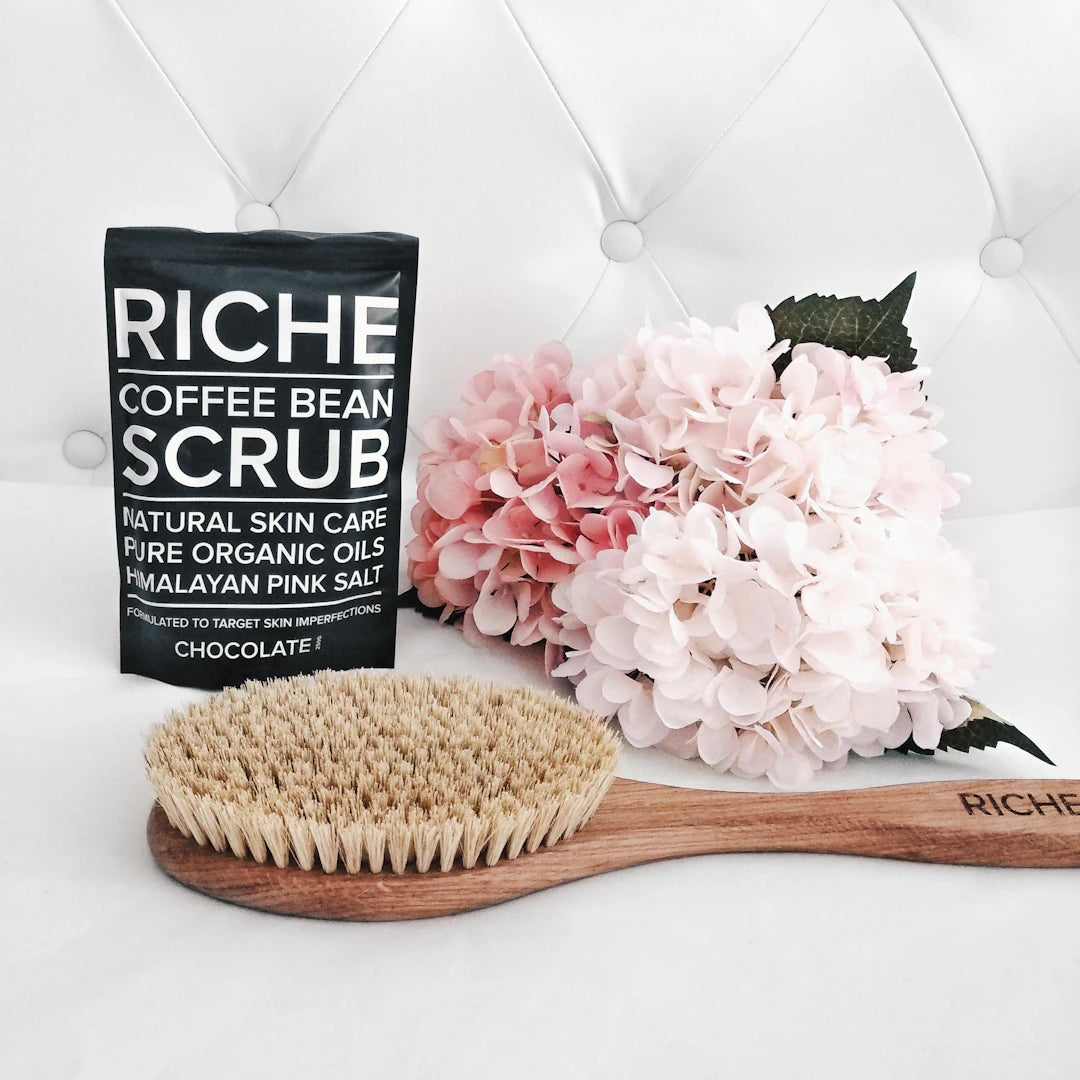
Physical exfoliation involves using a gritty substance or tool to manually slough away dead skin cells. Common physical exfoliants include:
- Exfoliating scrubs: These often contain small particles like sugar, salt, or crushed nuts that provide a gentle scrubbing action.
- Exfoliating brushes and sponges: Tools designed to offer a deeper cleanse and promote circulation while exfoliating the skin.
Physical exfoliation can be extremely effective, but it's essential to choose products that aren’t too abrasive, as harsh scrubbing can damage the skin rather than helping it.
Chemical Exfoliation: Acids and Enzymes
Chemical exfoliation utilizes substances like alpha-hydroxy acids (AHAs) or beta-hydroxy acids (BHAs) to dissolve the bonds that hold dead skin cells together. This method is typically more effective for people prone to acne and skin texture issues. For instance, products containing salicylic acid, such as chemical peels, deeply cleanse and refine pores while promoting natural cell turnover. This can significantly enhance skin texture and address issues like dullness and imperfections.
The Many Benefits of Exfoliation
Wondering why you should incorporate exfoliation into your skin care routine? Here are some compelling benefits of exfoliation that can transform your skin:
Promotes Skin Cell Turnover
As we age, our skin’s natural ability to shed dead cells slows down, leading to a build-up that can cause breakouts and a sallow complexion. Regular exfoliation stimulates cell turnover, helping to bring fresher, healthier skin to the surface. This dynamic process not only improves skin texture but also enhances absorption of other skin care products, making them more effective.
Improves Skin Texture
The benefits of exfoliation extend to smoothing out uneven skin surfaces. By removing rough patches and dead skin, you can achieve a more refined and polished look. Whether your skin is oily, dry, or combination, exfoliating helps reset skin texture, which can lead to a softer feel and a more luminous appearance.
Brightens the Complexion
Dull, lackluster skin can often be rejuvenated with consistent exfoliation. By sloughing off the top layer of dead skin cells, you pave the way for brighter and more luminous skin underneath. A regular exfoliation routine combats the signs of fatigue and creates a healthy glow that reflects your inner vitality.
Minimizes the Appearance of Pores
Exfoliating helps to clear out clogged pores, which can lead to acne and a rough skin texture. By reducing the amount of dead skin and impurities that can accumulate, you naturally minimize the appearance of pores over time. This not only makes skin look smoother but also contributes to a more revitalized overall look.
Reduces Acne and Blemishes
Regular exfoliation is a powerful ally in managing acne-prone skin. By removing dead skin cells and preventing pore blockages, you’re less likely to experience breakouts. Furthermore, certain exfoliants, like those containing salicylic acid, target existing blemishes and help prevent future ones, leading to clearer skin.
Enhances Other Skin Care Products
When dead skin is removed, your skin becomes more receptive to other skin care products. Moisturizers, serums, and treatments penetrate the skin more effectively, allowing them to work optimally. Incorporating exfoliation into your routine ensures that those beneficial ingredients are absorbed properly, amplifying their effects.
Incorporating Exfoliation into Your Skin Care Routine
To reap the full benefits of exfoliation, it’s important to incorporate it thoughtfully into your skin care routine. Here’s how you can do it effectively:
Frequency of Exfoliation
The frequency of exfoliation depends on your skin type. Generally, it is recommended to exfoliate:
- Once a week for sensitive skin
- Two to three times a week for normal to combination skin
- Every other day for oily skin
Always pay attention to how your skin reacts and adjust accordingly. Over-exfoliating can lead to irritation and compromised skin barriers.
Choose the Right Exfoliant
Select exfoliants that align with your skin's needs. For instance, if your skin is sensitive, opt for gentle physical exfoliants or mild chemical options. For oily or acne-prone skin, products containing salicylic acid can effectively penetrate pores and manage breakouts.
Listen to Your Skin
It’s vital to assess how your skin responds after each exfoliation session. If you notice redness, burning, or excessive dryness, it may be a sign to dial back on the frequency or intensity of your exfoliation routine.
Common Mistakes to Avoid with Exfoliation
- Over-exfoliating: Too much exfoliation can strip the skin of its natural oils, leading to irritation and accelerated aging.
- Using harsh products: Avoid scrubs with large, jagged particles that can cause micro-tears in the skin.
- Skipping sunscreen: Exfoliating makes your skin more sensitive to the sun, so always apply a broad-spectrum SPF after exfoliating.
Elevate Your Skin Game Through Proper Exfoliation
By understanding the crucial role of exfoliation in a skin care routine, you can harness its benefits to promote healthy skin. Whether you choose chemical or physical exfoliation, integrating this practice will enhance your skin texture, brightness, and overall health. Embrace the transformative power of exfoliation as a vital step in achieving your skin care goals and revel in the beautiful, radiant skin that follows. Remember, a little exfoliation goes a long way in nurturing the healthy skin you desire!
For more tips and tricks on maintaining your glow, stay connected with Skinney and elevate your skin care journey with expert advice and innovative solutions tailored to your needs.
Frequently Asked Questions
1. What is exfoliation and why is it important?
2. What are the different types of exfoliation?
3. How often should I exfoliate my skin?
4. What are the benefits of regular exfoliation?
5. What common mistakes should I avoid when exfoliating?
Glossary
| Term | Meaning |
|---|---|
| Exfoliation | The process of removing dead skin cells from the skin's surface. |
| Physical Exfoliation | Manual removal of dead skin using scrubs or tools. |
| Chemical Exfoliation | Use of acids or enzymes to dissolve dead skin cell bonds. |
| AHA | Alpha-hydroxy acids, used for chemical exfoliation. |
| BHA | Beta-hydroxy acids, effective for acne-prone skin. |
| Cell Turnover | The process of shedding old skin cells and generating new ones. |
| Exfoliating Scrubs | Products containing small particles that manually slough off dead skin. |
| Pore Minimization | Reducing the appearance of enlarged pores through exfoliation. |
| Moisturizer | A product that hydrates and nourishes the skin. |
| SPF | Sun Protection Factor, essential after exfoliation to protect sensitive skin. |
Linked Product

Chemical Peel
The Chemical Peel offers an effective at-home solution for exfoliation, utilizing a blend of salicylic and glycolic acid to cleanse and refine pores. This product promotes natural cell turnover, helping to diminish blemishes and enhance skin radiance. It is designed to be paired with Water Molecule Beauty Oil for optimal results.
View Product