The Impact of Diet on Skin Health: What to Know
Overview
This article explores the critical connection between diet and skin health, highlighting how the foods you consume can significantly impact your complexion and overall skin vitality. Readers will learn about essential nutrients that promote radiant skin, the importance of hydration, and lifestyle factors that contribute to a healthy appearance. By understanding these elements, you can make informed dietary choices that enhance your skincare journey and boost your confidence.
Table of Contents
- Understanding the Skin-Diet Connection
- Key Nutrients for Radiant Skin
- 1. Antioxidants
- 2. Healthy Fats
- 3. Vitamins and Minerals
- Hydration: The Foundation of Healthy Skin
- The Importance of Balanced Meals
- Foods to Avoid for Healthier Skin
- The Role of Lifestyle
- 1. Stress Management
- 2. Quality Sleep
- The Benefits of Natural Oils
- Making Sustainable Changes
- Skin Health Beyond Diet
- Keep the Glow Going!
Key Takeaways
- Balanced Diet is Key: A nutrient-rich diet directly impacts skin health, helping to prevent issues like dryness and premature aging.
- Incorporate Antioxidants: Foods rich in antioxidants, such as berries and dark chocolate, combat oxidative stress and promote a youthful complexion.
- Healthy Fats Matter: Essential fatty acids from sources like avocados and salmon support skin elasticity and moisture retention.
- Hydration is Crucial: Drink 8-10 glasses of water daily and include hydrating foods like cucumbers and oranges for plumper skin.
- Focus on Balanced Meals: Include proteins, healthy fats, and a variety of fruits and vegetables to ensure all necessary nutrients are consumed.
- Avoid Harmful Foods: Limit processed sugars, refined carbohydrates, and excessive dairy to prevent skin issues like acne and inflammation.
- Consider Lifestyle Factors: Manage stress and ensure quality sleep to enhance skin repair and overall appearance.
When it comes to achieving radiant, healthy skin, the importance of a balanced diet cannot be overstated. What you eat plays a crucial role in the overall health of your skin and can even affect how it ages. By understanding the relationship between diet and skin health, you can make informed choices that will enhance your complexion and boost your confidence. In this article, we delve into the vital nutrients that support skin vitality and unveil how they can contribute to your skincare journey.
Understanding the Skin-Diet Connection
Many of us invest in skincare products to combat issues like dullness, fine lines, and pre-mature aging, but often overlook the power of nutrition. The skin is the body’s largest organ, and like every other part of your body, it requires a variety of vitamins, minerals, and other nutrients to function optimally. A poor diet can lead to issues such as dryness, redness, and premature aging, while a nutrient-rich diet can lead to a glowing complexion.
Key Nutrients for Radiant Skin
1. Antioxidants
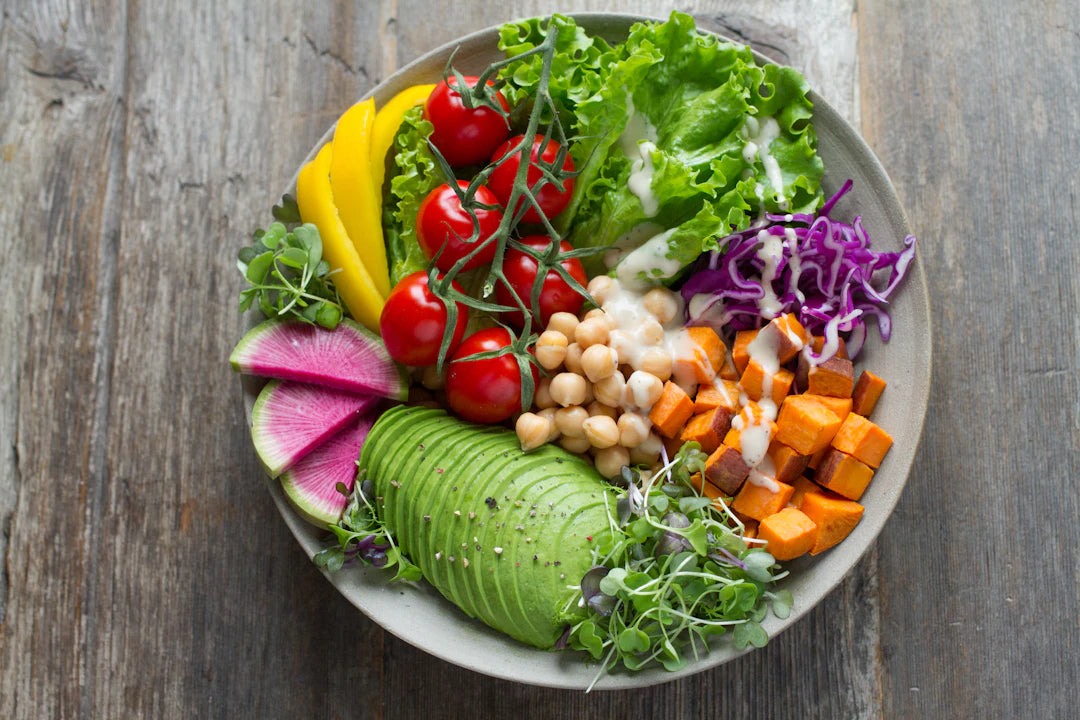
Antioxidants are your skin’s best friends. They help combat oxidative stress caused by free radicals, which can damage skin cells and accelerate aging. Foods rich in antioxidants include:
- Berries (blueberries, strawberries, raspberries)
- Green leafy vegetables (spinach, kale)
- Nuts (walnuts, pecans)
- Dark chocolate
Incorporating antioxidant-rich foods into your diet can significantly contribute to a healthier, more youthful complexion. Notably, Sacha Oil, known for its richness in antioxidants, can enhance your skin’s resilience and vitality.
2. Healthy Fats
Fatty acids are essential for maintaining the skin's lipid barrier, which helps retain moisture and keeps your skin smooth and supple. Healthy fats can be found in:
- Avocados
- Olive oil
- Salmon
- Nuts and seeds
These fats are crucial for combating dryness and supporting skin elasticity. Essential fatty acids also contribute to building collagen, which is vital for the skin’s structure.
3. Vitamins and Minerals
Vitamin C
Vitamin C is a powerful antioxidant that plays a pivotal role in collagen synthesis, helping improve skin texture and elasticity. Citrus fruits, bell peppers, and strawberries are excellent sources.
Vitamin E
This vitamin aids in skin repair and protects against UV damage. Nuts and seeds are great sources of Vitamin E.
Zinc
Zinc can help with inflammation and is vital for the proper functioning of skin cells. Foods rich in zinc include legumes, nuts, and whole grains.
Hydration: The Foundation of Healthy Skin
Hydration plays a critical role in skin health. When your body is well-hydrated, the skin appears plumper and more elastic. Aim to drink at least 8-10 glasses of water per day, and include hydrating foods in your diet, such as:
- Cucumbers
- Watermelon
- Celery
- Oranges
Adequate hydration not only helps to flush out toxins but also supports the overall effectiveness of your nutrient intake.
The Importance of Balanced Meals
It’s essential to focus on balanced meals that incorporate a variety of food groups. By including healthy carbohydrates, proteins, and fats, you ensure that your skin receives all the nutrients it needs. Here are a few tips for creating balanced meals:
- Include a source of protein (chicken, fish, legumes) to support repair processes.
- Integrate healthy fats to maintain skin moisture and elasticity.
- Add a variety of fruits and vegetables for essential vitamins and antioxidants.
Foods to Avoid for Healthier Skin
Just as there are foods that can nourish your skin, there are also those that may cause harm. Here are some foods to minimize or avoid for clearer skin:
- Processed Sugars: Excess sugar can lead to glycation, damaging collagen and elastin, essential proteins for skin elasticity.
- Refined Carbohydrates: White bread, pastries, and other refined carbs can spike insulin levels and lead to increased oil production, potentially triggering acne.
- Excessive Dairy: Some studies suggest a link between dairy products and skin issues like acne and inflammation.
- Saturated and Trans Fats: These unhealthy fats can promote inflammation, leading to issues like redness and dryness.
The Role of Lifestyle
Your overall lifestyle also influences your skin health. Factors such as stress, sleep quality, and even exposure to environmental pollutants can play a significant role in your skin’s appearance.
1. Stress Management
Chronic stress can aggravate skin conditions and exacerbate inflammation. Incorporating stress-reducing activities such as meditation, yoga, or deep breathing exercises can benefit both your mental well-being and your skin’s health.
2. Quality Sleep
Adequate sleep is crucial for skin repair and regeneration. Aim for 7-9 hours of quality sleep per night. Proper rest allows your body to repair damaged skin cells and reduces dark circles and puffiness.
The Benefits of Natural Oils
In addition to dietary adjustments, incorporating natural oils into your skincare regime can provide significant benefits. Oils such as the Beauty Oil, which contains ingredients like moringa and sacha oils, can hydrate and repair your skin without clogging pores. The rejuvenating power of such oils helps to combat fine lines and wrinkles, delivering a healthy glow that complements any skincare routine.
Making Sustainable Changes
Transitioning to a skin-friendly diet doesn’t need to be overwhelming. Start small by replacing a few of your less healthy choices with nutrient-rich alternatives. As you become more comfortable, gradually introduce more changes. Creating a meal plan can also help you stay focused and make it easier to maintain your new lifestyle.
Skin Health Beyond Diet
While diet plays a crucial role in skin health, it’s important to remember that a holistic approach yields the best results. Combining a nutrient-rich diet with a consistent skincare routine, sun protection, and healthy lifestyle choices will maximize your efforts toward achieving luminous skin.
Keep the Glow Going!
Your journey towards healthier skin begins with understanding the profound impact of your diet. By incorporating nutrient-dense foods and practicing mindful eating, you can promote a clear, youthful complexion while boosting your overall health. Don’t forget that natural oils, like those containing sacha oil, can serve as the icing on the cake by enhancing hydration and combating signs of aging. Embrace the power of food choices, and watch your skin transform into the radiant canvas you've always desired. Remember, nourishing your skin from within is the most beautiful choice you can make!
Frequently Asked Questions
1. What is the relationship between diet and skin health?
2. What are some key nutrients that support skin vitality?
3. How important is hydration for skin health?
4. What foods should be avoided for healthier skin?
5. How can lifestyle factors influence skin health?
Glossary
| Term | Meaning |
|---|---|
| Antioxidants | Compounds that protect skin cells from damage by free radicals. |
| Healthy Fats | Essential fatty acids that maintain skin moisture and elasticity. |
| Vitamin C | A nutrient that aids in collagen production and skin texture improvement. |
| Vitamin E | A vitamin that helps repair skin and protects against UV damage. |
| Zinc | A mineral that supports skin cell function and reduces inflammation. |
| Hydration | The process of maintaining adequate water levels for skin health. |
| Balanced Meals | Meals that include a variety of food groups for optimal nutrition. |
| Processed Sugars | Sugars that can damage collagen and elastin, affecting skin elasticity. |
| Natural Oils | Oils that hydrate and repair skin without clogging pores. |
| Mindful Eating | The practice of being aware of food choices and their impact on health. |
Linked Product

Beauty Oil
The Beauty Oil harnesses the rejuvenating properties of antioxidant-rich moringa and sacha oils to hydrate and renew the skin while preventing clogged pores. This blend is designed to combat premature aging, fine lines, and wrinkles, offering a revitalized and radiant appearance. It is also suggested to be used alongside microdermabrasion for enhanced results.
View Product